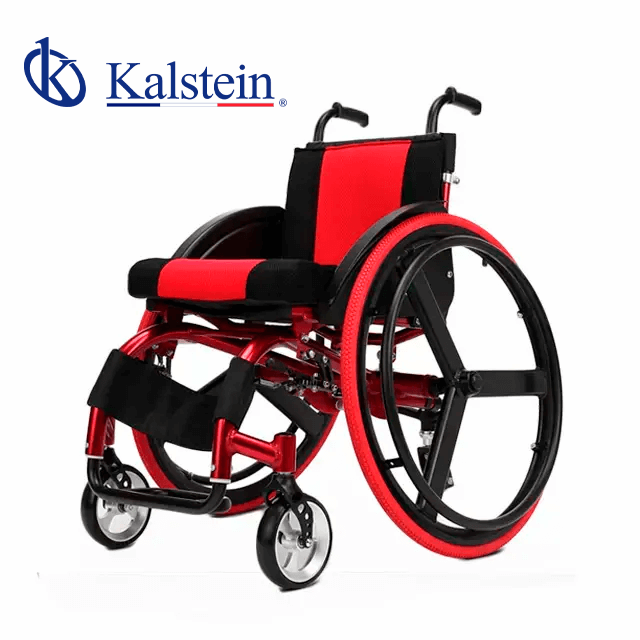
How to Choose the Right Sports Wheelchair for Energy Efficiency and Sustainability
The demand for energy-efficient and environmentally sustainable solutions has reached all sectors, including adaptive sports. The right sports wheelchair not only enhances performance but also supports a commitment to sustainability. This article explores various models of sports wheelchairs, focusing on their energy efficiency and how they contribute to a reduced environmental footprint.
Understanding Energy Efficiency in Sports Wheelchairs
Energy efficiency in sports wheelchairs can be defined as the ability of the wheelchair to facilitate optimal performance using minimal energy. This efficiency is crucial for athletes who require agility and speed during competitions. Key aspects include the materials used, the design of the wheelchair, and additional features that aid in reducing the energy required for mobility and control.
Material Impact on Energy Usage
The choice of materials significantly influences the wheelchair's weight and durability. Lightweight materials like aluminum or magnesium alloys, used in models like YR05461 and YR05462, are designed to minimize energy expenditure during use. For instance, the YR05461 model features a magnesium alloy frame, which enhances its lightweight nature while maintaining strength.
Design Features That Reduce Energy Use
Design features such as quick-release rear wheels and adjustable components also play a critical role in energy efficiency. The YR05462 model's easy folding mechanism allows for compact storage and transportation, reducing the energy consumed while moving or storing the wheelchair.
Comparative Analysis of Sports Wheelchair Models
To better understand the options available, we will compare various sports wheelchair models based on their specifications and sustainability features.
| Model | Weight (kg) | Seat Width (cm) | Material | Best For |
|---|---|---|---|---|
| YR05461 | 14.5 | 38 | Magnesium Alloy | Speed & Agility in Competition |
| YR05462 | 11.6 | 36 | Aluminum Alloy | Compactness & Portability |
| YR05463 | 12 | 36-42 | High-Density Aluminum | Durability & Resilience |
Common Mistakes and How to Avoid Them
When selecting a sports wheelchair, buyers often make several common mistakes that can impede performance and sustainability goals.
Overlooking Weight Considerations
One of the critical mistakes is paying insufficient attention to the weight of the wheelchair. Heavier models can lead to increased energy consumption during use. For instance, opting for the YR05463, which weighs 12 kg, can be more beneficial than a heavier alternative.
Neglecting Material Quality
Choosing poor-quality materials can lead to higher maintenance needs and lower durability. Models constructed with high-quality materials like those in our comparison table provide better longevity and energy efficiency.
Frequently Asked Questions
What are the energy efficiency features of the Sports Wheelchair YR05461?
The YR05461 model features a lightweight magnesium alloy frame which contributes to its overall energy efficiency. This design allows for quick acceleration and maneuverability, reducing the energy needed during use.
How does the weight of a sports wheelchair impact sustainability?
The weight of a sports wheelchair, such as the YR05462 at 11.6 kg, directly affects energy consumption. Lighter wheelchairs require less effort to propel, resulting in lower energy use and a smaller environmental footprint in competitive settings.
Which sports wheelchair offers the best balance of durability and energy efficiency?
The YR05463 model provides an excellent balance of durability and energy efficiency thanks to its high-density aluminum construction, ensuring it withstands rigorous use while minimizing energy expenditure.
How do materials influence the performance of sports wheelchairs?
Materials like magnesium and aluminum significantly influence performance. For example, the YR05461 utilizes a magnesium alloy for its frame, making it lightweight and enhancing speed and agility during competition.
What should I consider for energy-efficient storage of sports wheelchairs?
Choosing wheelchairs with folding mechanisms, such as the YR05462, allows for compact storage, reducing the overall energy required for transportation and maintaining the wheelchair.
How can the design of a sports wheelchair affect environmental impact?
The design of sports wheelchairs, like those featuring quick-release wheels in the YR05462, can facilitate easier repairs and recyclability, thereby reducing the overall environmental impact associated with their lifecycle.
What is the best use case for the Sports Wheelchair YR05463?
The YR05463 model is best suited for athletes seeking a blend of durability and energy efficiency, making it ideal for competitive sports where resilience is required without compromising performance.
How can I assess the sustainability of a sports wheelchair?
Assessing the sustainability of a sports wheelchair involves examining the materials used, the design for energy reduction, and the overall weight. Models like the YR05461 offer insights into efficient design principles that align with sustainability goals.
If you are looking for a fusion of innovation and quality, you have come to the right place. At Kalstein, we offer you the luxury of exploring our exclusive catalog of laboratory equipment. We manufacture every device to the highest standards of excellence. Our intuitive and seamless online purchasing channels are designed for your convenience, securing the most competitive prices. Hesitate no longer — we bring science to life, it is time to become part of our community.