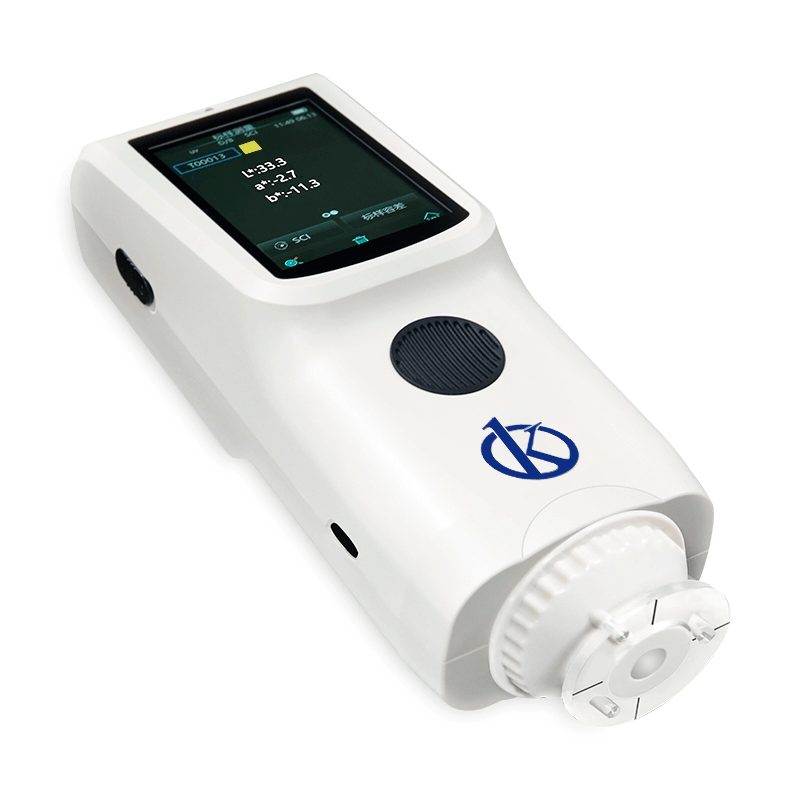
Spectrocolorimeter: Practical Applications and Techniques 2026
What is it used for in 2026
The spectrocolorimeter is a vital tool in various laboratory settings, particularly for research, biotechnology, and academia. Its primary function is to measure the color of materials quantitatively, providing precise color difference measurements essential for quality control, formulation, and research purposes. In 2026, spectrocolorimeters are widely used in paint and coatings industries, plastics, textiles, and food industries, as they ensure products meet specific color standards and customer expectations.
History and evolution of the technology
The evolution of spectrocolorimeters dates back to early color measurement devices, which relied on simple visual assessments. With advancements in optical technology and digital sensors, modern spectrocolorimeters now employ sophisticated algorithms and sensors to provide accurate, reproducible color measurements. From rudimentary colorimeters to advanced spectrocolorimeters like the YR05516 and YR05517, the technology has progressed significantly, providing users with precision tools that align with international standards.
How to use it step by step
- Preparation: Ensure the spectrocolorimeter is calibrated and ready for use. Clean the sample area thoroughly.
- Sample Placement: Place the sample to be measured on the sample holder according to the manufacturer's instructions.
- Settings Configuration: Select the appropriate measurement mode (SCI/SCE) depending on whether you need absolute color measurements or relative color differences.
- Measurement: Initiate the measurement process. The device will analyze the light reflected from the sample and provide color data.
- Data Analysis: Review the results displayed on the screen, which will indicate L*, a*, and b* values along with ΔE for color difference.
- Documentation: Record the data for future reference and quality control purposes.
Best techniques and protocols
To achieve accurate results when using spectrocolorimeters, it is essential to follow best practices such as ensuring consistent lighting conditions, using calibration standards regularly, and maintaining a clean sample area to avoid contamination. It is also advisable to conduct multiple measurements and average the results to enhance reliability.
Practical applications by laboratory type
- Paint and Coatings: Used to ensure color consistency and compliance with industry standards.
- Textiles: Applied in color matching for fabrics, ensuring that dye lots meet specified color requirements.
- Food Industry: Utilized for maintaining the color quality of products like beverages and processed foods, ensuring visual appeal and quality.
- Plastics: Essential in color formulation for plastics for consistent product appearance.
Regulations, standards and certifications
In 2026, spectrocolorimeters must adhere to various international standards such as CIE No.15, ASTM E1164, and ISO 7724-1. These standards ensure that the measurements are reliable and can be replicated across different laboratories and industries. Compliance with such standards is critical for industries that require precise color matching and quality control.
Comparison with alternative technologies
While spectrocolorimeters provide high accuracy and versatility, alternative technologies such as traditional colorimeters and visual color matching methods exist. Compared to traditional colorimeters, spectrocolorimeters offer enhanced precision and can measure a broader spectrum of colors, making them more suitable for complex applications. However, traditional methods may still be used for quick assessments where high precision is not critical.
Comparison of available models
| Model | Best for | Key specs | Recommended use case |
|---|---|---|---|
| YR05516 | High-level color measurement | Price: $2570.00 | Quality control in various industries |
| YR05517 | Precise color difference measurement | Price: $1838.00 | Electronics and paint applications |
| YR05518 | Textile color matching | Price: $935.00 | Textiles and printing industries |
| YR05519 | Versatile industrial applications | Price: $623.00 | Color quality in various sectors |
Common mistakes and how to avoid them
- Not Calibrating Regularly: Ensure regular calibrations to maintain accuracy.
- Ignoring Sample Preparation: Always prepare samples properly to avoid contamination.
- Inconsistent Lighting Conditions: Measure under controlled lighting to eliminate variability.
- Failing to Document Results: Always keep records of measurements for future reference and quality assurance.
Maintenance, calibration and good practices 2026
In 2026, regular maintenance of spectrocolorimeters involves cleaning the sample area, recalibrating with standards, and checking for software updates to ensure the device functions optimally. Good laboratory practices include training staff on proper usage and maintaining a clean work environment to enhance measurement accuracy.
Cost-benefit analysis 2026
The investment in a spectrocolorimeter can be justified by the improved quality control and consistency in product output it provides. By reducing color discrepancies, businesses can enhance customer satisfaction, reduce waste, and improve overall productivity. Evaluating the long-term savings and benefits against the initial investment will provide a comprehensive view of the cost-effectiveness of acquiring such equipment.
Frequently asked questions
What is the main difference between a spectrocolorimeter and a traditional colorimeter?
A spectrocolorimeter measures color across a wide spectrum and provides detailed colorimetric data (L*, a*, b* values), while traditional colorimeters often offer limited measurements and less accuracy.
How often should I calibrate my spectrocolorimeter?
Calibration frequency depends on usage intensity, but it is recommended to calibrate the device at least once a month or before critical measurements to ensure accuracy.
What types of samples can I measure with a spectrocolorimeter?
Most solid and liquid samples, including paints, plastics, textiles, and food products, can be effectively measured with a spectrocolorimeter.
Can spectrocolorimeters be used for quality control in manufacturing?
Yes, spectrocolorimeters are widely used in manufacturing for quality control processes, ensuring that products meet specified color standards.
How do I choose the right model for my laboratory?
Consider factors such as measurement needs, sample types, budget, and the specific industries you are working within to select the most suitable model.
What are best practices for using a spectrocolorimeter?
Best practices include keeping samples clean, calibrating regularly, conducting measurements in consistent lighting conditions, and documenting results meticulously.
Where can I request a quote for purchasing a spectrocolorimeter?
You can request a quote by contacting your laboratory equipment supplier or visiting their website to find more information on the models of spectrocolorimeters available.
If you are looking for a fusion of innovation and quality, you have come to the right place. At Kalstein, we offer you the luxury of exploring our exclusive catalog of laboratory equipment. We manufacture every device to the highest standards of excellence. Our intuitive and seamless online purchasing channels are designed for your convenience, securing the most competitive prices. Hesitate no longer — we bring science to life, it is time to become part of our community.