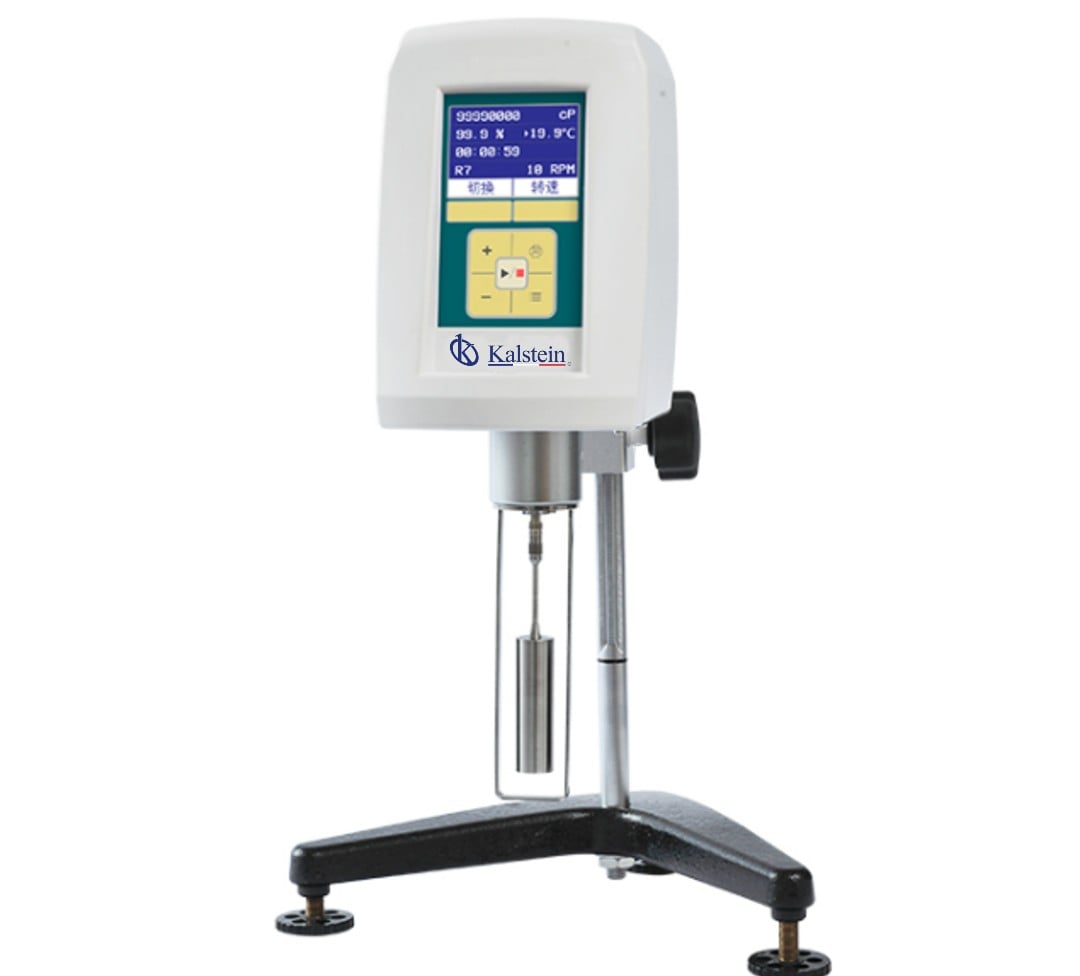
Understanding the Scientific Principles Behind the YR06643 Digital Rotary Viscometer
The YR06643 Digital Rotary Viscometer is an advanced instrument engineered for precise fluid analysis in various laboratory settings. Its sophisticated design integrates cutting-edge technology and scientific principles that ensure accurate viscosity measurements. This article explores the operational principles and scientific fundamentals that underpin the YR06643, offering users an in-depth understanding of the equipment's functionality.
Principle of Operation
The YR06643 operates based on the principle of rotational viscometry, where the viscosity of a fluid is measured by observing the torque required to rotate a spindle at a constant speed within the fluid. The core scientific principle here involves the relationship between shear stress and shear rate — essential concepts in fluid dynamics. The viscometer calculates viscosity in mPa.s by applying the formula:
Viscosity (η) = Shear stress (τ) / Shear rate (γ)
In the YR06643, the rotor's rotation creates a shear flow in the fluid, producing measurable torque that is converted into a viscosity reading displayed on the LCD screen. The instrument can handle a wide range of viscosities, making it suitable for various applications, from industrial to clinical laboratories.
Design Choices and Their Scientific Justification
The design of the YR06643 is pivotal to its performance. Key choices made in its engineering include:
- Rotor Configuration: The choice of different rotors enables the viscometer to adapt to various viscosity ranges, enhancing its versatility.
- Touch Control Panel: This intuitive interface allows for easy operation and swift adjustments in settings, optimizing the user experience.
- Dual Connectivity: The inclusion of two RS232 ports facilitates data management and physical record keeping, crucial for accurate analysis.
These design choices are not arbitrary but closely linked to the operational efficiency and accuracy of viscosity measurements in complex fluid scenarios.
Comparison with Alternative Working Principles
While the YR06643 employs rotational viscometry, alternative methods such as capillary viscometry and vibrational viscometry exist. Each method has its strengths:
- Capillary Viscometry: Relies on the time taken for a fluid to flow through a capillary tube, which is effective for low-viscosity fluids but less versatile compared to the YR06643.
- Vibrational Viscometry: Measures the change in frequency of vibrating elements immersed in the fluid. It is suitable for very low viscosities but may not provide the depth of data offered by the YR06643.
The YR06643's versatility in handling a broad viscosity range alongside its advanced technological features positions it as a superior choice for many laboratory applications.
Technical Specifications of the YR06643
| Specification | YR06643 |
|---|---|
| Speed (r/min) | 0.1 – 200 (58 types) |
| R2 - R7 Range (mPa.s) | 200 - 80,000,000 |
| ULR Range (mPa.s) | 6.4 - 1,000 |
| Rotor 21# Range (mPa.s) | 50 - 1,000,000 |
| Weight | 12 kg |
| Dimensions | 300 x 300 x 450 (mm) |
| Power Supply | 110V / 220V |
Frequently Asked Questions
What types of fluids can the YR06643 measure?
The YR06643 is designed to measure a wide range of fluids, from low-viscosity liquids to highly viscous materials, making it versatile for various applications in different industries.
How can I ensure accurate measurements with the YR06643?
To ensure accurate measurements, always calibrate the instrument before use and ensure that the fluid sample is properly prepared. Keeping the viscometer level and clean will also enhance accuracy.
What is the maximum viscosity that the YR06643 can measure?
The YR06643 has a maximum viscosity measurement capability of up to 80,000,000 mPa.s, allowing it to handle extremely viscous materials effectively.
How do I perform maintenance on the YR06643?
Regular maintenance involves cleaning the rotors and ensuring that all electronic components are free from dust and debris. It is also essential to check the calibration periodically.
Can the YR06643 be used in a clinical laboratory?
Yes, the YR06643 is suitable for use in clinical laboratories, providing accurate viscosity measurements that are critical in various medical and pharmaceutical applications.
What should I do if I encounter an error code on the YR06643?
If an error code appears, refer to the user manual for troubleshooting steps. Common causes may include sensor issues or calibration errors, which can usually be rectified by recalibrating the device.
Is software available for data analysis with the YR06643?
Yes, the YR06643 can connect to a computer via RS232 for data management and analysis, allowing users to track viscosity curves and other important measurements.
If you are looking for a fusion of innovation and quality, you have come to the right place. At Kalstein, we offer you the luxury of exploring our exclusive catalog of laboratory equipment. We manufacture every device to the highest standards of excellence. Our intuitive and seamless online purchasing channels are designed for your convenience, securing the most competitive prices. Hesitate no longer — we bring science to life, it is time to become part of our community.