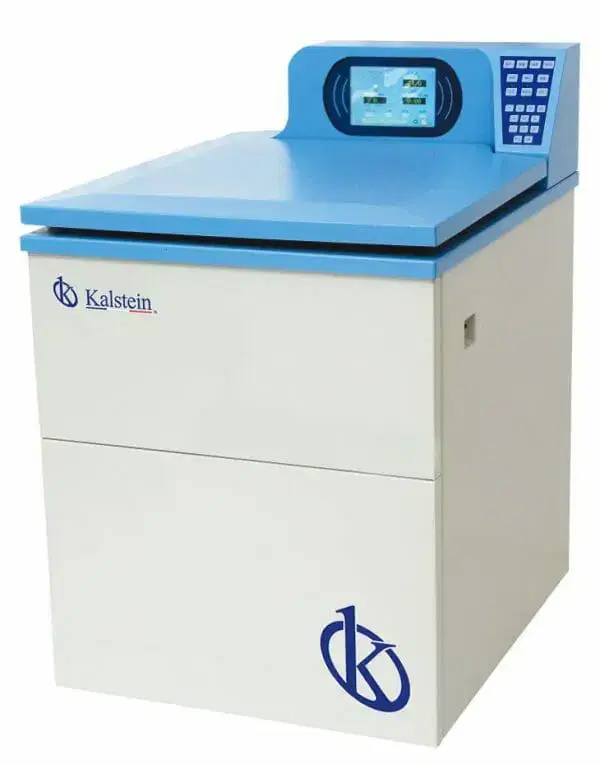
Scientific Principles and Operation of the YR0111-4-10 Centrifuge
The YR0111-4-10 centrifuge is a vital piece of laboratory equipment used for various applications in clinical, industrial, and research settings. Understanding its scientific principles of operation is essential for optimal performance and accurate results. This article delves deep into the principles governing the YR0111-4-10, including its design, operational mechanisms, and key specifications.
Understanding Centrifugation
Centrifugation is a process that utilizes centrifugal force to separate components of a mixture based on density differences. When a sample is placed in the YR0111-4-10 and spun at high speeds, denser components move outward to the bottom of the rotor while lighter components remain suspended above. This fundamental principle is based on Newton's laws of motion, particularly the concept of inertia.
Key Scientific Principles Behind the YR0111-4-10
The YR0111-4-10 centrifuge operates on several key scientific principles. One of the primary principles is the relationship expressed in the equation: F = m * a, where F is the force, m is the mass, and a is acceleration. In the context of centrifugation, the acceleration (centrifugal acceleration) is generated by the rotor's rotation.
Another important concept is the sedimentation rate, which can be calculated using the formula: V = (2r^2(ρp - ρf)g) / 9η, where V is the sedimentation velocity, r is the radius of the rotor, ρp is the density of the particle, ρf is the density of the fluid, g is the acceleration due to gravity, and η is the viscosity of the fluid. Understanding these equations allows users to predict how and when different components of a mixture will separate.
Design Choices of the YR0111-4-10
The design of the YR0111-4-10 is critical to its performance. The angle rotor design allows for a higher sedimentation efficiency compared to straight rotors. This is because angled rotors create a more favorable environment for the separation process, leading to quicker and more efficient separation of samples.
Additionally, the rotor's material is designed to withstand the high forces generated during operation. This durability ensures safety and longevity of the equipment, making it suitable for a variety of laboratory environments.
Technical Specifications of the YR0111-4-10
| Model | Brand | Category | Price (USD) | Gross Weight | Dimensions |
|---|---|---|---|---|---|
| YR0111-4-10 | Kalstein | Centrifuges | 1194.00 | 17 kg | x x |
Frequently Asked Questions
What types of samples can be processed using the YR0111-4-10 centrifuge?
The YR0111-4-10 centrifuge is designed to handle various types of samples including biological fluids, cell cultures, and other laboratory mixtures. Its versatility makes it suitable for clinical labs, research institutions, and industrial applications.
How do I achieve optimal separation with the YR0111-4-10?
To achieve optimal separation, one must consider factors such as rotor speed, sample volume, and density differences. Utilizing the correct parameters based on the sample type is essential. Reference the user manual for guidelines specific to your applications.
What maintenance is required for the YR0111-4-10?
Regular maintenance includes cleaning the rotor and chamber after each use, checking for any signs of wear or damage, and performing periodic calibration. Following the manufacturer's guidelines ensures the longevity and performance of the centrifuge.
Can the YR0111-4-10 be used for high-throughput applications?
Yes, the YR0111-4-10 is capable of handling high-throughput applications due to its design and efficiency. It can accommodate multiple samples simultaneously, making it an ideal choice for busy laboratories.
What safety features are included in the YR0111-4-10?
The YR0111-4-10 is equipped with several safety features including lid-lock mechanisms, imbalance detection systems, and automatic shut-off to prevent accidents. These features ensure safe operation in a laboratory environment.
How does the rotor design impact performance?
The angled rotor design in the YR0111-4-10 enhances sedimentation rates and efficiency. It allows for better sample separation compared to straight rotors, improving overall results in various applications.
Where can I request a quote for the YR0111-4-10?
You can easily request a quote by contacting us through our quote request form. Our team will assist you with pricing and any additional information you may need.
If you are looking for a fusion of innovation and quality, you have come to the right place. At Kalstein, we offer you the luxury of exploring our exclusive catalog of laboratory equipment. We manufacture every device to the highest standards of excellence. Our intuitive and seamless online purchasing channels are designed for your convenience, securing the most competitive prices. Hesitate no longer — we bring science to life, it is time to become part of our community.