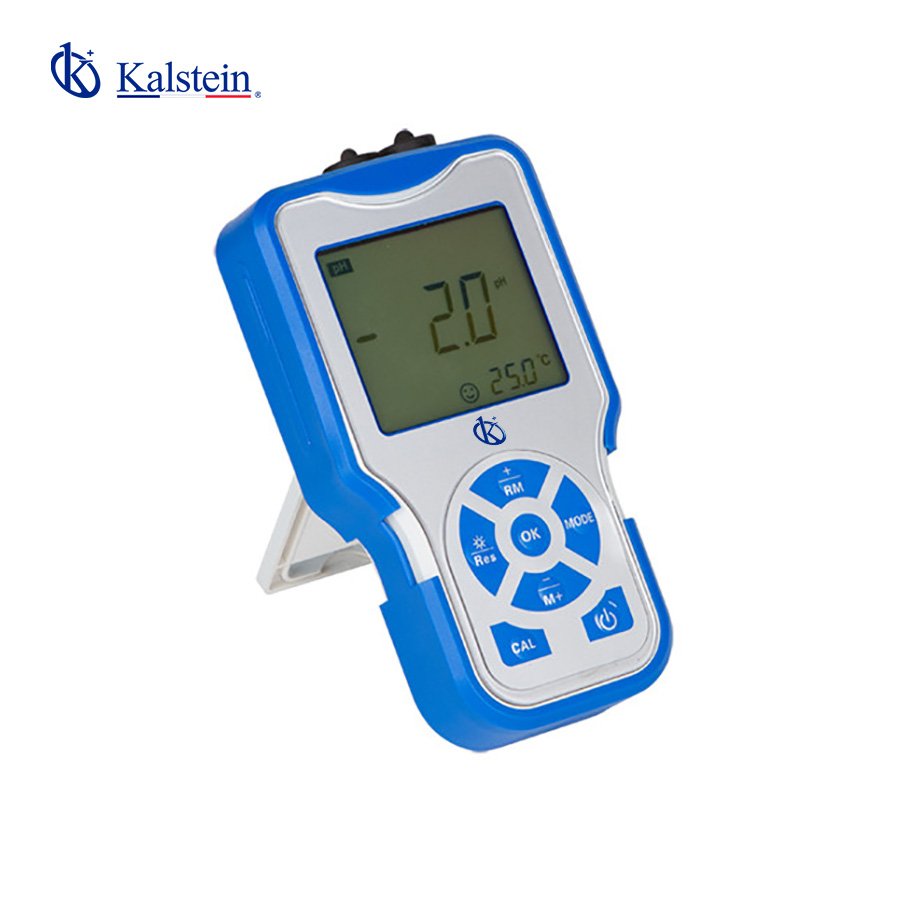
Safety Protocols and Operator Management for Portable Ion Meters
In the realm of laboratory practices, ensuring the safety of operators while using equipment like portable ion meters is paramount. With an increasing focus on biosafety protocols, understanding the correct usage of these devices not only enhances operational efficiency but guarantees compliance with safety standards. This article delves into the safety protocols and operator management related to portable ion meters, highlighting key practices, the significance of various models, and their implications in laboratory settings.
Understanding Portable Ion Meters in Laboratory Safety Protocols
Portable ion meters, such as the YR01816, YR01817-1, and others, are essential tools in measuring ion concentrations in various samples. Given their widespread use, it is crucial to establish rigorous safety protocols that govern their operation. These protocols include proper training for operators, adherence to manufacturer guidelines, and regular maintenance schedules to ensure reliability and accuracy while minimizing risks associated with chemical exposure.
Laboratories must align their operations with recognized safety standards, ensuring that staff are equipped with the knowledge to mitigate risks. Effective operator management ensures that personnel are aware of the hazards associated with ion measurement and are trained to handle equipment safely, thereby enhancing workplace safety.
Key Safety Protocols for Using Portable Ion Meters
When operating portable ion meters, several safety protocols should be implemented to safeguard both operators and the integrity of the samples being tested. Below are some critical protocols to consider:
- Personal Protective Equipment (PPE): Operators should always wear appropriate PPE, including gloves, goggles, and lab coats, to protect themselves from potential spills or splashes.
- Calibration Procedures: Regular calibration of instruments such as the YR01816 ensures accurate readings and helps avoid erroneous results that could lead to hazardous situations.
- Proper Disposal of Chemicals: Following protocols for the disposal of used reagents and contaminated materials is essential in preventing chemical exposure and environmental harm.
Operator Training and Management Techniques
Training is a cornerstone of effective operator management. Laboratories should implement comprehensive training programs focusing on the operation of portable ion meters, including:
- Understanding Device Specifications: Operators should be familiar with the specifications and features of models like the YR01817-1 and its calibration points, which ensure they use the device effectively.
- Emergency Response Procedures: Training personnel on how to respond to spills and accidents involving ion meters can prevent injuries and mitigate risks.
- Regular Updates and Refresher Courses: As technology and safety standards evolve, providing ongoing education can help maintain a culture of safety and compliance.
Comparison of Available Models
| Model | Calibration Points | Accuracy | Best For | Price (USD) |
|---|---|---|---|---|
| YR01816 | 2 to 5 Points | ± 0.5% FS | General Ion Measurements | 94.00 |
| YR01817-1 | 2 to 5 Points | ± 0.5% FS | Ammonium Ion Testing | 229.00 |
| YR01817-10 | 2 to 5 Points | ± 0.5% FS | Ammonium Ion Testing | 500.00 |
| YR01817-11 | 2 to 5 Points | ± 0.5% FS | Ammonium Ion Testing | 500.00 |
| YR01817-12 | 2 to 5 Points | ± 0.5% FS | Ammonium Ion Testing | 500.00 |
| YR01817-13 | 2 to 5 Points | ± 0.5% FS | Ammonium Ion Testing | 500.00 |
Common Mistakes and How to Avoid Them
Despite having established protocols, laboratories may encounter common mistakes that compromise safety and data integrity. Here are prevalent errors and strategies to mitigate them:
- Neglecting Calibration: Failing to calibrate portable ion meters frequently can lead to inaccurate measurements. Schedule regular checks for models like YR01816 to maintain accuracy.
- Inadequate Training: Not providing sufficient training for operators can lead to misuse, resulting in hazardous situations. Regular training sessions should be mandatory.
- Ignoring PPE Protocols: Some operators may underestimate the need for PPE. Reinforce the importance of wearing protective gear to prevent exposure to harmful substances.
Frequently Asked Questions
What are the key safety protocols for using portable ion meters in laboratories?
Key safety protocols include wearing PPE, regularly calibrating devices like the YR01816, and adhering to proper disposal methods for reagents. These measures ensure safety and compliance within laboratory environments.
How does operator training impact the use of portable ion meters?
Operator training significantly impacts the use of portable ion meters by ensuring that personnel understand device operation, safety measures, and emergency protocols. This knowledge helps to minimize risks and enhance data accuracy.
Which portable ion meter is best for ammonium ion testing?
The YR01817-1 is an excellent choice for ammonium ion testing, offering a calibration range of 2 to 5 points and an accuracy of ± 0.5% FS, making it ideal for laboratories focused on environmental and agricultural samples.
What maintenance practices should be implemented for portable ion meters?
Regular maintenance practices for portable ion meters include routine calibration, cleaning the electrodes, and ensuring proper storage conditions. Following these practices helps maintain accuracy and prolongs the lifespan of devices like the YR01816.
How important is calibration for portable ion meters?
Calibration is crucial for portable ion meters, as it ensures accurate measurements. Regular calibration of models like the YR01817-1 enhances reliability, crucial in applications where precision is essential.
What are the common mistakes made when using portable ion meters?
Common mistakes include neglecting calibration, inadequate operator training, and ignoring PPE protocols. Addressing these issues can significantly enhance safety and data integrity in laboratory settings.
How can I ensure compliance with safety standards while using portable ion meters?
Ensuring compliance with safety standards involves implementing robust training programs, adhering to manufacturer guidelines, and conducting regular equipment maintenance. Using models like YR01816 can also help meet specific compliance requirements.
What features should I look for in a portable ion meter for laboratory use?
Look for features such as multiple calibration points, high accuracy, and user-friendly interfaces. Models like the YR01817-1 provide these features, making them suitable for a range of laboratory applications.
If you are looking for a fusion of innovation and quality, you have come to the right place. At Kalstein, we offer you the luxury of exploring our exclusive catalog of laboratory equipment. We manufacture every device to the highest standards of excellence. Our intuitive and seamless online purchasing channels are designed for your convenience, securing the most competitive prices. Hesitate no longer — we bring science to life, it is time to become part of our community.