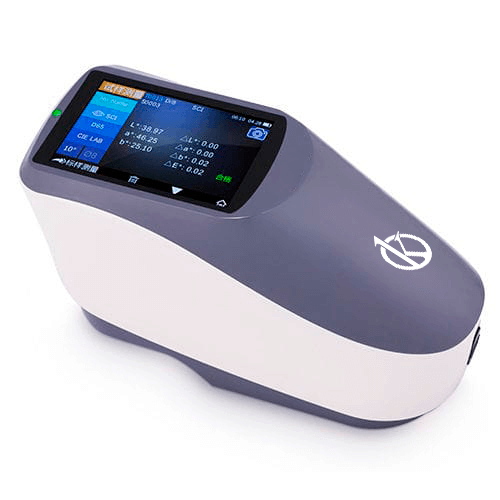
Ensuring Safe Operator Protocols in the Use of Portable Spectrophotometers
Portable spectrophotometers are vital tools in various laboratory settings, enabling efficient analysis of color and light absorbance across multiple applications. However, the safety of operators using these devices must not be overlooked. This article explores the critical biosafety measures and operator safety protocols necessary to mitigate risk while utilizing portable spectrophotometers effectively.
Importance of Biosafety Protocols in Laboratory Settings
Biosafety protocols are essential in laboratories to prevent exposure to hazardous materials, ensure safe handling of samples, and minimize the risk of contamination. These protocols are particularly crucial when handling chemical reagents, biological samples, or using devices that emit UV light. Implementing strict biosafety measures not only protects laboratory personnel but also enhances the reliability of experimental results.
Key Safety Protocols for Portable Spectrophotometers
When operating portable spectrophotometers such as the YR05500 and YR05501 series, several safety protocols should be followed:
- Personal Protective Equipment (PPE): Always wear appropriate PPE, including lab coats, gloves, and safety goggles, especially when handling samples that may contain hazardous substances.
- UV Protection: Use UV protective eyewear when working with spectrophotometers that have UV light sources to prevent eye damage.
- Proper Ventilation: Ensure that the laboratory is well-ventilated to disperse any fumes or vapors generated during sample analysis.
- Equipment Calibration: Regularly calibrate devices to maintain accuracy and reliability, minimizing the risk of erroneous results that could lead to unsafe situations.
Understanding the Risks Associated with Portable Spectrophotometers
While portable spectrophotometers are designed for ease of use, various risks can arise, including:
- Chemical Exposure: Inappropriate handling of chemicals can result in spills or splashes, necessitating proper training in chemical handling and emergency procedures.
- Electrical Hazards: Ensure all electrical connections are secure and that devices are properly grounded to prevent shocks or short circuits.
- Ergonomic Risks: Prolonged use of portable spectrophotometers can lead to strain injuries. Operators should implement proper lifting techniques and take breaks to minimize fatigue.
Application of Safety Protocols in Different Laboratory Scenarios
Different laboratory environments may require tailored safety protocols for the operation of portable spectrophotometers:
1. Academic Laboratories
In teaching laboratories, instructors should emphasize the importance of biosafety protocols in practical sessions. Students must be trained on using equipment like the YR05502 safely, particularly in handling samples and managing potential spills.
2. Industrial Laboratories
Industrial labs often manage larger volumes of hazardous materials. Implementing strict waste disposal protocols and ensuring that all operators are well-versed in emergency response procedures is essential to mitigate risks associated with portable spectrophotometers.
3. Research Laboratories
In research settings, emphasizing proper data handling and calibration of devices like the YR05504 can prevent data loss or contamination, ensuring that research outcomes are reliable and valid.
Training for Safe Operation of Portable Spectrophotometers
Effective training programs are crucial for operators of portable spectrophotometers. Programs should include:
- Hands-on Training: Practical demonstrations on the safe use of equipment, focusing on standard operating procedures.
- Emergency Response: Training should cover emergency procedures in case of spills or equipment failure, including first-aid measures.
- Regular Safety Updates: Conduct regular safety briefings to keep all laboratory personnel informed about new protocols or changes to existing protocols.
Comparison of Available Models
| Model | Key Features | Best for | Price (USD) |
|---|---|---|---|
| YR05503 | 20 mm aperture, traffic signal analysis | Traffic monitoring and color measurement | 1892.00 |
| YR05504 | 8 mm and 4 mm apertures, precise color analysis | Laboratory color transmission analysis | 2230.00 |
| YR05505 | Custom aperture options, economical | Textile and printing industries | 1740.00 |
| YR05500 | Bluetooth, UV capabilities, high precision | Broad laboratory applications | 2695.00 |
| YR05501 | USB/Bluetooth interface, UV analysis | Research and academic labs | 1970.00 |
| YR05502 | Compatible with multiple brands, dual modes | Versatile laboratory settings | 1820.00 |
Common Mistakes and How to Avoid Them
Operators often encounter common pitfalls that can compromise safety and results:
- Neglecting Calibration: Ensure regular calibration of devices like the YR05504 to maintain accuracy and reliability.
- Inadequate Training: Always prioritize comprehensive training for new operators to ensure they understand safety protocols and device handling.
- Ignoring PPE: Consistently use appropriate PPE to prevent exposure to hazardous materials.
Frequently Asked Questions
What safety measures are critical when using a portable spectrophotometer in a lab?
Critical safety measures include wearing PPE, ensuring proper ventilation, and regular calibration of the spectrophotometer, such as the YR05505, to ensure reliable results and operator safety.
How should I handle chemical spills when using portable spectrophotometers?
In case of chemical spills, immediately follow your laboratory's emergency spill procedure and utilize safety equipment, ensuring that operators using devices like the YR05500 are trained in proper response techniques.
What are the biosafety risks associated with portable spectrophotometers?
Risks include chemical exposure and electrical hazards. Ensuring that operators adhere to safety protocols, such as those for the YR05501, significantly reduces these risks.
Which training topics are essential for portable spectrophotometer operators?
Essential training topics include proper equipment handling, emergency response procedures, and the importance of regular calibration for models like the YR05502 to guarantee safety and accuracy.
How often should portable spectrophotometers be calibrated?
Calibration frequency depends on usage, but it is recommended to calibrate portable spectrophotometers, such as the YR05504, at least once a week to maintain accuracy.
What is the role of PPE when using portable spectrophotometers?
PPE protects operators from hazardous materials and potential UV exposure during operations, particularly important when using models like the YR05500 that utilize UV light sources.
What are the best practices for waste disposal when using spectrophotometers?
Best practices for waste disposal include following chemical waste protocols established by your laboratory and ensuring that all materials analyzed with instruments like the YR05503 are disposed of according to safety regulations.
Which portable spectrophotometer is best for color analysis in industrial labs?
The YR05504 is best suited for color analysis in industrial labs, offering precision and compliance with key safety standards, ensuring reliable outputs in various applications.
If you are looking for a fusion of innovation and quality, you have come to the right place. At Kalstein, we offer you the luxury of exploring our exclusive catalog of laboratory equipment. We manufacture every device to the highest standards of excellence. Our intuitive and seamless online purchasing channels are designed for your convenience, securing the most competitive prices. Hesitate no longer — we bring science to life, it is time to become part of our community.