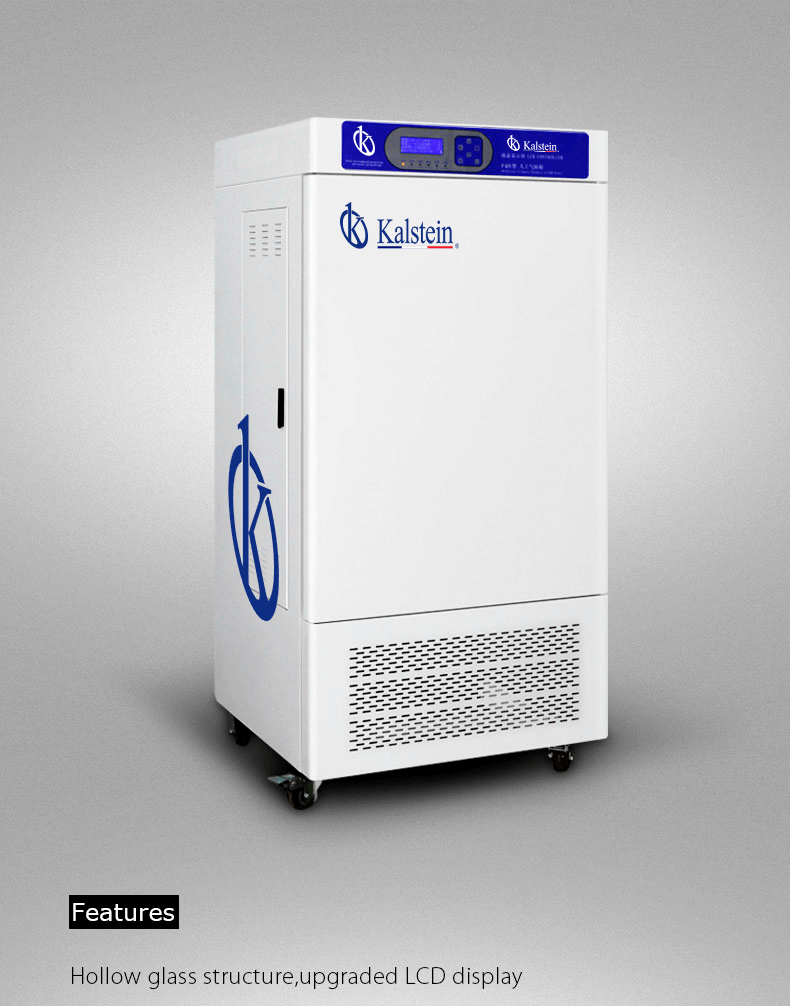
Maximizing ROI in Plant Growth Chambers: A Comprehensive Cost-Benefit Analysis
In the ever-evolving landscape of laboratory practices, understanding the return on investment (ROI) of your equipment is fundamental to optimizing operations and ensuring sustainability. Plant growth chambers are crucial for conducting precise botanical experiments, and evaluating their cost-effectiveness helps laboratories achieve better results.
Understanding the Importance of ROI in Plant Growth Chambers
ROI provides a quantitative measure to assess the efficiency of investments in laboratory equipment. For plant growth chambers, evaluating ROI involves analyzing both initial capital expenditures (CAPEX) and ongoing operational expenditures (OPEX) over time. This approach helps laboratories make informed decisions about purchasing, operating, and maintaining plant growth chambers.
Key Factors Influencing ROI for Plant Growth Chambers
When analyzing ROI for plant growth chambers, several factors come into play:
- Initial Costs: The price of the equipment, installation, and setup.
- Operational Costs: Energy consumption, maintenance, and consumables.
- Throughput: The number of experiments that can be conducted in a given time.
- Longevity: The expected lifespan of the equipment and potential depreciation.
Cost-Benefit Analysis of Different Models of Plant Growth Chambers
To conduct a thorough cost-benefit analysis, we will compare three models of plant growth chambers available on the market:
| Model | CAPEX (USD) | Energy Consumption (kWh/month) | Expected Lifespan (years) | Best Suitable For |
|---|---|---|---|---|
| YR05331 | 1015.00 | 150 | 5 | Seed Germination and Microbial Testing |
| YR05332 | 1270.00 | 160 | 5 | Plant Cultivation and Quality Testing |
| YR05333 | 1700.00 | 180 | 6 | Advanced Botanical Research |
Calculating Payback Period for Each Model
The payback period is an essential metric that indicates how long it will take to recover the initial investment. By assessing the operational efficiency and expected throughput, laboratories can estimate the payback period for each model.
For instance, if YR05331 is expected to save $300 annually in operational costs, the payback period would be approximately 3.39 years. Meanwhile, if YR05332 saves around $400 annually, its payback period shrinks to about 3.18 years. This kind of analysis is critical for justifying the purchase of a plant growth chamber in a laboratory setting.
Common Mistakes and How to Avoid Them
When investing in plant growth chambers, several common pitfalls can hinder achieving optimal ROI:
- Ignoring Total Cost of Ownership: It's essential to consider both CAPEX and OPEX to understand the true cost of the equipment.
- Not Setting Clear Performance Metrics: Establish benchmarks for throughput and efficiency from the start.
- Failing to Factor in Maintenance Costs: Regular maintenance is crucial for maximizing lifespan and efficiency.
Comparison of Available Models
| Model | CAPEX (USD) | Energy Consumption (kWh/month) | Payback Period (years) | Best Use Case |
|---|---|---|---|---|
| YR05331 | 1015.00 | 150 | 3.39 | Seed Germination |
| YR05332 | 1270.00 | 160 | 3.18 | Quality Testing |
| YR05333 | 1700.00 | 180 | 4.25 | Advanced Research |
Frequently Asked Questions
How can I determine the ROI for a plant growth chamber in my laboratory?
To determine the ROI for a plant growth chamber, assess both capital and operational expenses against the expected output. For example, the YR05331 model, priced at $1015, can help save on energy consumption, leading to a quicker ROI.
What are the operational costs associated with the YR05332 plant growth chamber?
The YR05332 model has an energy consumption of 160 kWh per month, contributing to its operational costs. Budgeting for these expenses is crucial when planning the total cost of ownership and ROI.
Which model provides the best payback period for a research laboratory?
The YR05332 model offers a payback period of approximately 3.18 years, making it an attractive option for research laboratories aiming for efficiency without excessive upfront costs.
How does energy consumption affect the ROI of plant growth chambers?
Energy consumption directly impacts operational costs, thus affecting ROI. For instance, the YR05333 model has a higher consumption but may offer more advanced features that justify the cost in a research-intensive setting.
What factors should be considered in the cost-benefit analysis of plant growth chambers?
Factors include initial investment, ongoing operational costs, energy efficiency, maintenance expenses, and expected lifespan. The YR05331 is ideal for seed germination, making it a cost-effective choice for specific applications.
Can I expect significant savings from investing in a plant growth chamber?
Yes, investing in an efficient plant growth chamber like the YR05332 can lead to savings in energy costs and improved productivity, positively affecting your overall ROI.
What is the significance of maintenance in achieving ROI for plant growth chambers?
Regular maintenance ensures optimal performance and extends the lifespan of models like the YR05333. Ignoring maintenance can lead to increased operational costs and negatively impact ROI.
How do I choose the right plant growth chamber for my laboratory needs?
Consider your specific research requirements, budget, and the expected ROI. The YR05331 model is excellent for basic tasks, while the YR05333 is suited for advanced research applications.
If you are looking for a fusion of innovation and quality, you have come to the right place. At Kalstein, we offer you the luxury of exploring our exclusive catalog of laboratory equipment. We manufacture every device to the highest standards of excellence. Our intuitive and seamless online purchasing channels are designed for your convenience, securing the most competitive prices. Hesitate no longer — we bring science to life, it is time to become part of our community.