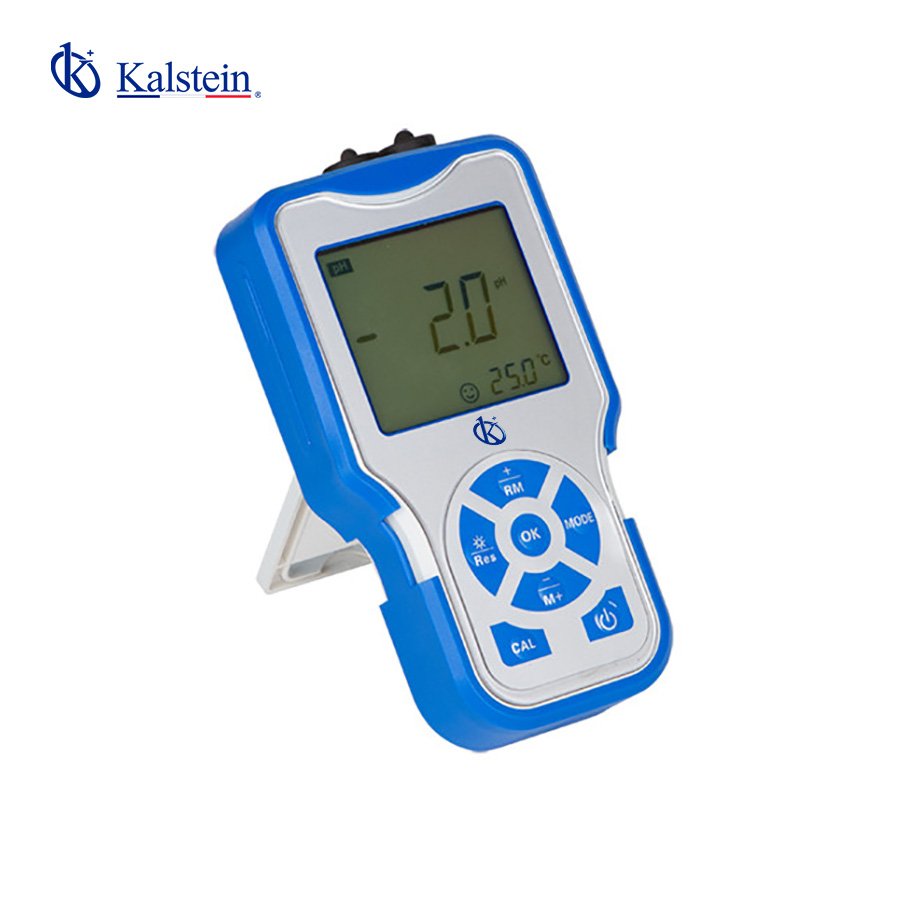
Analyzing ROI and Cost-Benefit for Portable Ion Meters
In laboratory settings, the adoption of portable ion meters can significantly impact financial and operational efficiency. Understanding the return on investment (ROI) and the cost-benefit analysis is crucial for laboratory managers and decision-makers. This article delves into the financial implications of using different models of portable ion meters, comparing their capabilities and discussing the cost-effectiveness of each model.
Introduction to Portable Ion Meters in Financial Context
Portable ion meters are essential tools in various laboratory applications, enabling real-time measurement of ion concentrations in different samples. Evaluating the ROI and cost-benefit analysis of these instruments helps laboratories make informed purchasing decisions. An effective cost-benefit analysis not only considers the initial investment but also accounts for ongoing operational costs, calibration needs, and maintenance, which all contribute to the overall lifecycle cost of each ion meter.
Understanding ROI in Portable Ion Meters
Calculating ROI involves comparing the benefits gained from an investment against its costs. For portable ion meters, key factors to consider include their usage frequency, the cost of reagents, and the potential for increased throughput in lab procedures. Using models like the Portable pH/Ion Meter YR01816 can provide precise measurements, which may help reduce time spent on repetitive testing, hence improving efficiency.
Cost-Benefit Analysis: Key Considerations
The cost-benefit analysis of portable ion meters involves evaluating direct costs (purchase price, maintenance, calibration) against indirect benefits (time saved, accuracy improvements, and data reliability). For instance, comparing the Portable Ammonium Ion Meter YR01817-1 to other models, one must evaluate how its features, such as a backlit LCD and multiple calibration points, contribute to overall value.
Comparison of Available Models
| Model | CAPEX (USD) | Cost per Test (USD) | Payback (Months) | Recommended Scenario |
|---|---|---|---|---|
| YR01816 | 94.00 | 0.50 | 6 | Laboratories with low to moderate usage |
| YR01817-1 | 229.00 | 0.70 | 8 | Field testing and outdoor applications |
| YR01817-10 | 500.00 | 1.00 | 10 | High accuracy requiring frequent calibration |
| YR01817-11 | 500.00 | 1.00 | 10 | Advanced testing with multiple ion measurements |
| YR01817-12 | 500.00 | 1.00 | 10 | Large-scale testing scenarios |
| YR01817-13 | 500.00 | 1.00 | 10 | Research laboratories focusing on ammonium ion concentrations |
Evaluating Initial and Ongoing Costs
Initial costs include the purchase price of the portable ion meters and any necessary accessories. Ongoing costs comprise reagents, calibration solutions, and maintenance fees. For example, the Portable Ammonium Ion Meter YR01817-1 has an initial investment of $229 and varying ongoing costs depending on its usage, making it essential for laboratories to evaluate how often these meters will be utilized to determine the best fit.
Maximizing Efficiency: Usage and Calibration
Effective use of portable ion meters necessitates regular calibration to maintain accuracy and reliability. Laboratories must implement a calibration schedule that aligns with the frequency of use. The Portable pH/Ion Meter YR01816 offers up to five calibration points, making it versatile for various applications, thereby reducing overall operational costs through enhanced efficiency.
Common Mistakes and How to Avoid Them
Laboratories often overlook the long-term costs associated with portable ion meters. A common mistake is underestimating the importance of regular calibration and maintenance, which can lead to inaccurate results and increased costs over time. Additionally, choosing a model without considering the specific use case can hinder efficiency. To avoid these pitfalls, laboratories should conduct thorough research and select models that align with their testing needs.
Frequently Asked Questions
How do the features of a Portable Ammonium Ion Meter affect ROI?
The features of a Portable Ammonium Ion Meter, particularly models like YR01817-1, impact ROI by enhancing measurement accuracy and allowing for multiple calibration points. This efficiency leads to reduced testing time and increased productivity, which ultimately improves the return on investment.
What should I consider when calculating the cost per test for portable ion meters?
When calculating the cost per test for portable ion meters, consider the initial purchase price, reagents, calibration costs, and maintenance. For instance, the YR01817-12 model has a higher initial cost but may provide accurate results that lower the overall cost per test through its efficiency.
Which portable ion meter is best for outdoor applications?
The Portable Ammonium Ion Meter YR01817-1 is designed for outdoor applications, featuring a backlit display and robust calibration capabilities. Its precision in various conditions makes it ideal for field testing, offering reliable measurements that support effective data collection.
How can I enhance data reliability with a portable ion meter?
Enhancing data reliability with a portable ion meter involves choosing a model with advanced features such as multiple calibration points and automatic temperature compensation. The YR01817-10 model stands out for its ability to maintain accuracy in varying conditions, ensuring data integrity.
What are the maintenance costs associated with portable ion meters?
Maintenance costs for portable ion meters include regular calibration, replacement of electrodes, and cleaning supplies. For example, the YR01817-11 model requires periodic checks to ensure optimal performance, which may incur additional costs but is essential for maintaining measurement accuracy.
Which model provides the best payback period for frequent tests?
The Portable pH/Ion Meter YR01816 offers the best payback period for laboratories with frequent tests due to its lower initial cost and efficient calibration process. With a payback period of just six months, it is a viable option for cost-effective testing.
How significant is the calibration frequency for portable ion meters?
Calibration frequency is crucial for ensuring accuracy in portable ion meters. Regular calibration minimizes errors and enhances measurement reliability. Models like the YR01817-12, which allow for multiple calibration points, can further reduce the time and costs associated with frequent tests.
What long-term savings can I expect from using portable ion meters?
Long-term savings from portable ion meters arise from reduced labor costs, enhanced accuracy, and minimized error rates. Utilizing models such as the YR01817-1 can lead to substantial savings over time, particularly in high-throughput environments where efficiency is critical.
If you are looking for a fusion of innovation and quality, you have come to the right place. At Kalstein, we offer you the luxury of exploring our exclusive catalog of laboratory equipment. We manufacture every device to the highest standards of excellence. Our intuitive and seamless online purchasing channels are designed for your convenience, securing the most competitive prices. Hesitate no longer — we bring science to life, it is time to become part of our community.