How to Calculate ROI and Cost-Benefit Analysis for Laboratory Equipment
In today's competitive environment, laboratory professionals must prioritize investment strategies that yield favorable returns. Understanding the Return on Investment (ROI) and conducting a comprehensive cost-benefit analysis are essential steps in making informed decisions regarding laboratory equipment. This article delves into the methodologies for calculating ROI, factors influencing benefits and costs, and relevant examples of laboratory instruments.
Understanding ROI in Laboratory Investments
ROI measures the profitability of an investment relative to its cost. For laboratory equipment, calculating ROI involves considering both direct financial returns, such as increased output, and indirect benefits like improved accuracy. A clear understanding of ROI enables laboratory management to justify expenditures and direct funds effectively.
Components of Cost-Benefit Analysis
A cost-benefit analysis evaluates the expected benefits against the costs associated with laboratory equipment. This analysis includes several factors: initial acquisition costs, operating expenses, maintenance costs, and intangible benefits like enhanced reputation or compliance with standards. By comprehensively assessing these components, laboratories can identify the most fiscally responsible options.
Quantitative Breakdown of Costs and Benefits
To effectively analyze costs and benefits, laboratory professionals can utilize numerical breakdowns. For instance, calculating the cash flows from equipment operations over time helps to establish a clearer picture of expected returns and payback periods.
Capital Expenditures (CAPEX) vs Operating Expenditures (OPEX)
Capital expenditures (CAPEX) include the purchase price of equipment, installation, and initial training. Operating expenditures (OPEX) consist of ongoing costs such as maintenance, supplies, and personnel training. Understanding the balance between these expenditures is essential for developing an effective budget.
ROI Calculation Methodology
To calculate ROI, subtract the total cost of investment from the total returns and divide this by the total costs. The formula is as follows:
ROI = (Total Returns - Total Costs) / Total Costs * 100%
For example, if a laboratory invests $10,000 in a system that generates $15,000 in returns within two years, the ROI would be:
ROI = ($15,000 - $10,000) / $10,000 * 100% = 50%
Comparison of Available Models
| Model | CAPEX (USD) | Cost per Test (USD) | Payback (Months) | Recommended Scenario |
|---|---|---|---|---|
| YR0237-0-1 | 437.00 | 5.00 | 2 | Routine laboratory analysis |
| YR0237-1 | 491.00 | 4.50 | 1.5 | Advanced diagnostics |
| YR0237-1-1 | 448.10 | 4.80 | 2 | High-volume testing |
| YR03731-1 | 13.00 | 0.50 | 1 | Pipetting tasks |
| YR03731-2 | 13.00 | 0.50 | 1 | Pipetting tasks |
| YR03731-3 | 13.00 | 0.50 | 1 | Pipetting tasks |
Common Mistakes and How to Avoid Them
Laboratories often make critical errors when calculating ROI or conducting cost-benefit analyses. One common mistake is neglecting to include all operational costs, which can significantly skew the ROI calculation. Additionally, failing to consider indirect benefits like time savings or enhanced accuracy can lead to poor investment decisions. To avoid these pitfalls, it is vital to develop a comprehensive checklist when evaluating potential equipment purchases.
Key Factors Impacting ROI
Several factors can significantly influence the ROI for laboratory equipment, including:
- Equipment Quality: Higher quality equipment often leads to better performance and longer lifespan, enhancing ROI.
- Laboratory Efficiency: Automation or advanced technologies can improve throughput, affecting both OPEX and revenue.
- Training and Support: Proper training increases the efficiency of laboratory staff and maximizes the benefits derived from new equipment.
Frequently Asked Questions
How can I calculate the ROI for a laboratory microscope model like YR0237-0-1?
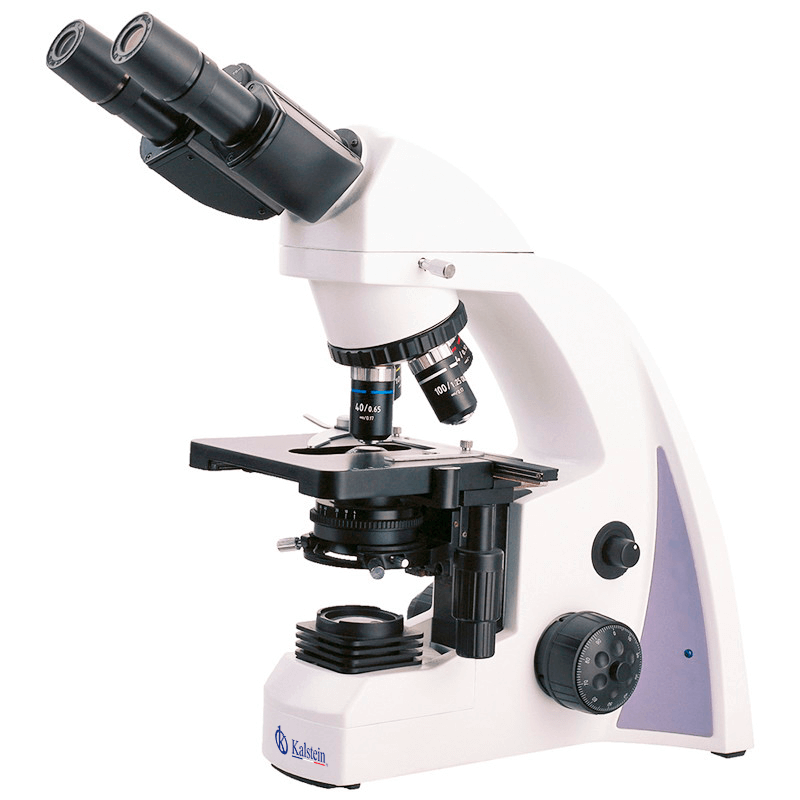
To calculate the ROI for the Laboratory Microscope YR0237-0-1, identify the total investment cost and expected returns from increased productivity. For instance, if the microscope costs $437.00 and generates additional revenue of $1,500 over its lifespan, the ROI calculation would follow the formula: ROI = (1500 - 437) / 437 * 100%. This yields an ROI of approximately 243.7%.
What are the hidden costs of laboratory equipment that affect ROI?
Hidden costs of laboratory equipment include maintenance fees, consumables, and potential downtime during repairs. For instance, the Laboratory Microscope YR0237-1 might have maintenance charges of around $50 annually, which, if unaccounted for, can significantly affect ROI calculations. It's essential to include these ongoing costs in your ROI assessments.
How does the cost of pipettes like YR03731-1 impact laboratory budgets?
The Fluid Handling Pipette YR03731-1 costs $13.00, making it an economical choice for laboratories. Its relatively low cost per test of $0.50 ensures that even with high usage, total expenses remain manageable. This makes such pipettes a favorable investment in budget-conscious environments.
Why is a cost-benefit analysis important for laboratory equipment acquisitions?
A cost-benefit analysis provides critical insights into the financial viability of purchasing laboratory equipment. For example, when considering the Laboratory Microscope YR0237-1, understanding both the initial costs and the potential revenue it can generate helps justify the investment and informs decision-making.
What factors should I consider in the ROI of automated laboratory systems?
In evaluating the ROI of automated laboratory systems, consider factors such as initial investment, labor savings, increased throughput, and reduced errors. A system like the YR0237-1 can increase productivity, allowing for more tests per hour, which directly contributes to improved ROI through higher volume outputs.
How do maintenance costs affect the ROI of laboratory instruments?
Maintenance costs, such as those for the Laboratory Microscope YR0237-0-1, directly impact the overall ROI. If annual maintenance costs exceed projected benefits, the ROI may turn negative. Thus, budgeting for regular maintenance is crucial to sustain long-term profitability.
What is the average lifespan of laboratory equipment affecting ROI calculations?
Typically, laboratory equipment like the Laboratory Microscope YR0237-1 has an average lifespan of 10 years, affecting how ROI is calculated over time. By considering this lifespan, laboratories can assess long-term returns instead of focusing solely on immediate costs and benefits.
How does laboratory equipment financing influence ROI?
Financing options can significantly influence ROI by spreading out initial costs over time, thus affecting cash flow. For instance, financing a Laboratory Microscope YR0237-0-1 can allow a laboratory to maintain liquidity while still benefiting from enhanced productivity and accuracy, leading to improved ROI.
If you are looking for a fusion of innovation and quality, you have come to the right place. At Kalstein, we offer you the luxury of exploring our exclusive catalog of laboratory equipment. We manufacture every device to the highest standards of excellence. Our intuitive and seamless online purchasing channels are designed for your convenience, securing the most competitive prices. Hesitate no longer — we bring science to life, it is time to become part of our community.