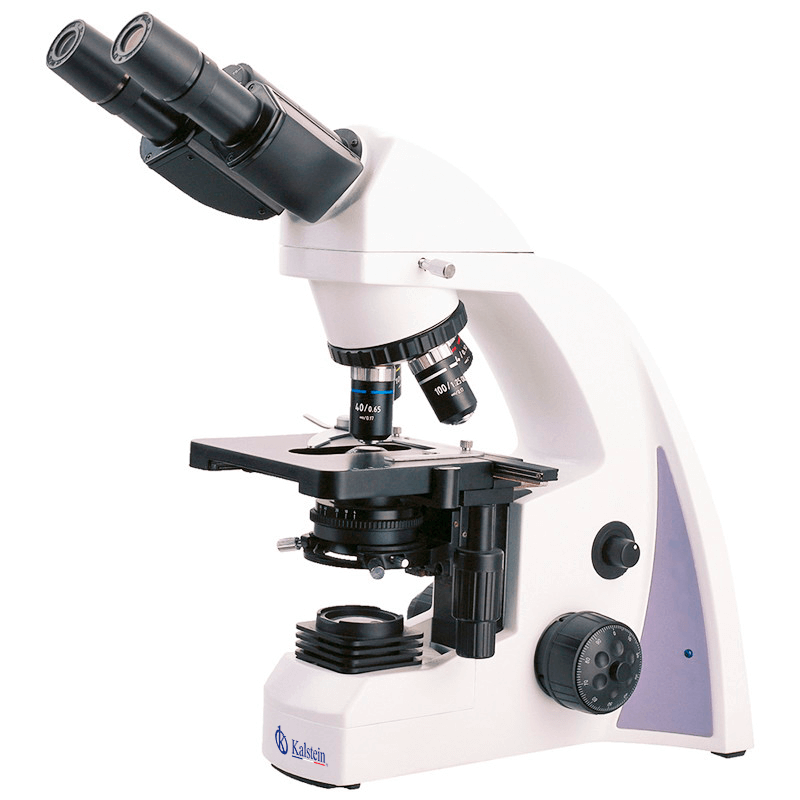
Understanding ROI and Cost-Benefit Analysis for Laboratory Equipment
In the increasingly competitive landscape of laboratory operations, understanding the return on investment (ROI) and conducting a thorough cost-benefit analysis is crucial. This article explores how these financial metrics are pivotal in the decision-making process surrounding laboratory equipment purchases. Laboratories face the challenge of optimizing performance while keeping costs manageable, and it is imperative to analyze the various models available to make informed decisions.
The Importance of ROI in Laboratory Equipment Acquisition
Return on investment (ROI) measures the gain or loss generated relative to the amount of money invested. For laboratory managers, calculating ROI for equipment is vital to justify purchases and ensure resources are allocated efficiently. By evaluating the expected benefits against the costs, labs can make data-driven decisions that enhance productivity.
Key Aspects of Cost-Benefit Analysis in Laboratories
A cost-benefit analysis (CBA) provides a systematic approach to evaluating the total expected cost of a purchase against the total expected benefits. In a lab setting, this includes direct costs such as purchase price and indirect costs like maintenance, while benefits could include improved efficiency and accuracy in results. Conducting a CBA allows laboratories to prioritize investments that provide the most significant financial and operational advantages.
Comparison of Available Models
| Model | CAPEX (USD) | Cost per Test (USD) | Payback Period (Months) | Recommended Scenario |
|---|---|---|---|---|
| YR0237-0-1 | 437.00 | N/A | N/A | General laboratory use, microscopy tasks |
| YR0237-1 | 491.00 | N/A | N/A | Advanced microscopy, educational purposes |
| YR0237-1-1 | 448.10 | N/A | N/A | Standard laboratory use, research applications |
| YR03731-1 | 13.00 | 0.10 | 2 | Cost-effective liquid handling for small batches |
| YR03731-2 | 13.00 | 0.10 | 2 | Ideal for routine pipetting tasks |
| YR03731-3 | 13.00 | 0.10 | 2 | Efficient for high-throughput applications |
Common Mistakes and How to Avoid Them
Laboratories often make mistakes in their ROI and cost-benefit assessments, such as not considering total lifecycle costs or failing to factor in indirect benefits. It’s crucial to look beyond the initial purchase price and account for maintenance, upgrades, and potential downtime. Consulting financial models and engaging with equipment suppliers can help mitigate these risks and ensure more accurate budgeting.
Analyzing the Total Cost of Ownership
The total cost of ownership (TCO) goes beyond the upfront cost of equipment and includes all associated expenses over its lifetime. For example, when considering models like the YR0237 series, it’s important to assess not only the purchase price but also maintenance costs, energy consumption, and the expected lifespan of the equipment. A detailed TCO analysis aids in making more informed financial decisions.
Evaluating Operational Efficiency through Cost Analysis
Operational efficiency is a critical component in a lab’s success. By analyzing the costs associated with each piece of equipment, laboratories can identify inefficiencies. For instance, the YR03731 pipettes offer low operating costs, making them ideal for labs looking to minimize expenses while maintaining quality. By optimizing equipment usage and minimizing waste, labs can enhance overall performance.
Future-Proofing Your Laboratory Investments
As technology evolves, laboratories must ensure their investments remain relevant and adaptable. This involves selecting equipment that not only meets current needs but is also scalable for future requirements. Models with versatility, such as the YR0237 series, can be employed across various applications, making them a safer financial bet in an uncertain future.
Frequently Asked Questions
What factors should I consider for the ROI of laboratory equipment?
When calculating ROI for laboratory equipment like the YR0237-1 microscope, consider the total costs, expected usage rates, and potential improvements in efficiency. Assessing both direct costs and benefits, such as reduced time per analysis, will provide a comprehensive view of the investment's return.
How can I measure the cost-effectiveness of pipettes in my lab?
To evaluate the cost-effectiveness of models like YR03731-1 in your lab, analyze their cost per test and compare it against your lab's throughput. This allows you to gauge both the direct expenses and the efficiency gained through their use in high-volume scenarios.
Which laboratory equipment offers the best ROI for small labs?
For small labs, equipment like the YR03731 series pipettes may offer the best ROI due to their low initial cost and high accuracy, minimizing waste and ensuring consistent results. Assessing the cost per test and maintenance costs can further validate these choices.
How can I ensure long-term benefits from my lab equipment purchases?
To maximize long-term benefits from purchases like the YR0237 series, conduct a thorough cost-benefit analysis prior to acquisition. This includes evaluating potential for upgrades and ensuring the equipment fits into your lab's future goals for expansion and enhanced capabilities.
What role does maintenance play in laboratory equipment ROI?
Maintenance significantly impacts ROI by affecting equipment uptime and performance. For example, regular servicing of models like the YR0237-1 microscope can prevent costly breakdowns and prolong lifespan, ultimately enhancing the machine's return on investment.
How often should I perform cost-benefit analysis for my lab equipment?
Regular cost-benefit analyses should be performed annually, especially for high-use equipment such as the YR03731 series pipettes. This helps identify trends in operational costs and ensure that investments remain valid under changing laboratory conditions.
What is the importance of operational efficiency in laboratory cost analysis?
Operational efficiency is crucial as it correlates directly with cost reduction. By evaluating the performance of models like the YR0237-0-1 microscope, labs can identify bottlenecks that may increase operational costs, guiding decisions to improve productivity.
Which laboratory equipment is most adaptable to changing lab needs?
Models like the YR0237 series are most adaptable as they offer flexibility across various applications. Their design allows laboratories to easily shift focus as projects evolve, ensuring that investments remain valuable regardless of changing demands.
If you are looking for a fusion of innovation and quality, you have come to the right place. At Kalstein, we offer you the luxury of exploring our exclusive catalog of laboratory equipment. We manufacture every device to the highest standards of excellence. Our intuitive and seamless online purchasing channels are designed for your convenience, securing the most competitive prices. Hesitate no longer — we bring science to life, it is time to become part of our community.