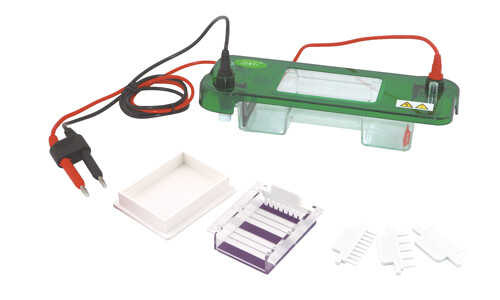
Evaluating ROI and Cost-Benefit Analysis for Horizontal Electrophoresis Systems
In the rapidly evolving field of laboratory technology, understanding the return on investment (ROI) and conducting a thorough cost-benefit analysis is crucial for laboratory managers and professionals. Horizontal electrophoresis systems are widely utilized for separating nucleic acids and proteins, necessitating a keen evaluation of their financial and operational impacts. This article delves into the specific benefits and ROI considerations associated with various horizontal electrophoresis models, guiding you through crucial decision-making processes in the laboratory environment.
Understanding the Importance of ROI in Laboratory Equipment
Evaluating ROI is not merely about calculating initial costs; it involves understanding the long-term financial benefits derived from the use of laboratory equipment. In the context of horizontal electrophoresis systems, factors such as operational efficiency, sample throughput, and reagent consumption play significant roles in determining overall value. A well-structured ROI assessment will encompass not just capital expenditure (CAPEX) but also operational expenditure (OPEX), which includes the costs of consumables, maintenance, and labor involved in running these systems.
Key Metrics for Cost-Benefit Analysis
Conducting a cost-benefit analysis requires identifiable metrics that reflect the performance and efficiency of horizontal electrophoresis systems. Common metrics include:
- Initial Investment (CAPEX): The purchase price of the equipment.
- Operational Costs (OPEX): Ongoing expenses related to maintenance, reagents, and labor.
- Cost per Test: Calculated by dividing total operational costs by the number of tests conducted.
- Payback Period: The time required to recoup the initial investment through savings generated by the system.
Comparison of Available Models
| Model | CAPEX (USD) | Cost per Test (USD) | Payback Period (months) | Recommended Scenario |
|---|---|---|---|---|
| YR03415 | 81.00 | 0.50 | 6 | Small Labs |
| YR03416 | 136.80 | 0.75 | 8 | Medium Labs |
| YR03417 | 183.00 | 0.80 | 9 | Advanced Experimentation |
| YR03418 | 201.00 | 1.00 | 10 | High-Volume Labs |
| YR03419 | 201.00 | 1.10 | 11 | Standard Applications |
| YR03420 | 330.60 | 1.50 | 12 | Research Institutions |
Common Mistakes and How to Avoid Them
In conducting a cost-benefit analysis or ROI evaluation, laboratories often fall into several common pitfalls:
- Ignoring Hidden Costs: Always factor in maintenance and operational costs that may arise over time.
- Focusing Solely on Initial Costs: Consider long-term savings and efficiencies rather than just the purchase price.
- Insufficient Data Collection: Ensure accurate data on usage rates, reagent costs, and throughput to inform decisions.
Evaluating the Performance of Horizontal Electrophoresis Systems
Performance metrics for horizontal electrophoresis systems can significantly affect ROI. Metrics such as sample throughput, quality of separation, and the versatility of applications should be thoroughly assessed. The YR03417, for instance, with its capacity to handle multiple gel sizes and sample volumes, allows for a versatile range of experiments, potentially increasing throughput and thereby improving the cost per test efficiency.
Long-Term Financial Benefits of Investing in Quality Equipment
The investment in high-quality horizontal electrophoresis systems can yield substantial long-term benefits. Equipment such as the YR03420, which offers larger sample capacities and efficient buffer usage, enables laboratories to scale operations without proportionally increasing costs. Over time, such efficiencies can lead to significant savings, as demonstrated in the following example analysis:
| Year | Operating Costs (USD) | Revenue Generated (USD) | Net Gain (USD) |
|---|---|---|---|
| 1 | 5000 | 8000 | 3000 |
| 2 | 4500 | 9000 | 4500 |
| 3 | 4000 | 10000 | 6000 |
Frequently Asked Questions
What is the average cost of horizontal electrophoresis systems in 2023?
The cost of horizontal electrophoresis systems varies widely, typically ranging from around $81.00 for models like YR03415 to over $330.00 for high-capacity models like YR03420. The investment largely depends on features, capacity, and intended laboratory use.
How can I determine the ROI for my horizontal electrophoresis equipment?
To calculate ROI, assess initial costs, ongoing operational expenses, and the total number of tests performed. For instance, if the YR03416 costs $136.80 and the lab performs 200 tests annually at a cost of $0.75 per test, the ROI can be effectively calculated.
What factors affect the cost-per-test ratio in horizontal electrophoresis?
Factors such as reagent costs, operational efficiency, and the scale of testing influence the cost-per-test ratio. For example, using the YR03418 can optimize buffer usage, consequently impacting overall costs positively.
How does sample throughput affect the financial sustainability of a lab using electrophoresis?
Higher sample throughput directly correlates with increased revenue potential. Models like YR03420, designed for high-volume applications, allow labs to conduct more tests with minimal additional cost, enhancing financial sustainability.
Which horizontal electrophoresis model is best for small labs focusing on cost efficiency?
The YR03415 is an excellent choice for smaller labs due to its low cost of $81.00 and ability to handle essential electrophoresis tasks while minimizing operational expenses.
How often should horizontal electrophoresis equipment be calibrated for optimal performance?
Calibration schedules can vary, but performing calibration at least annually is recommended to maintain accuracy. Models such as YR03419 may benefit from more frequent checks depending on their usage level.
What maintenance practices can extend the lifespan of horizontal electrophoresis systems?
Regular cleaning, proper handling, and timely servicing are crucial maintenance practices. For example, following the recommended practices for the YR03416 can prevent wear and extend its operational lifespan, ensuring ongoing efficiency.
What additional features should I consider when purchasing a horizontal electrophoresis system?
Consider features such as gel size versatility, ease of use, and buffer capacity. The YR03418, with varied gel sizes and higher buffer volume, offers flexibility, making it a valuable asset for dynamic laboratory needs.
If you are looking for a fusion of innovation and quality, you have come to the right place. At Kalstein, we offer you the luxury of exploring our exclusive catalog of laboratory equipment. We manufacture every device to the highest standards of excellence. Our intuitive and seamless online purchasing channels are designed for your convenience, securing the most competitive prices. Hesitate no longer — we bring science to life, it is time to become part of our community.