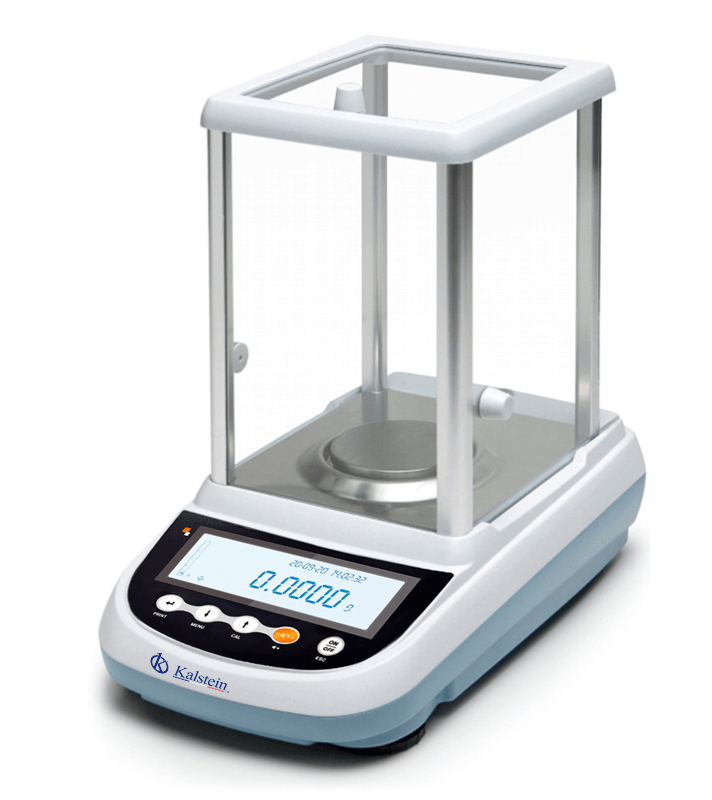
How to Calculate ROI and Cost-Benefit Analysis for Analytical Balances
In laboratory settings, the selection of analytical balances is often influenced by financial considerations such as return on investment (ROI) and overall cost-benefit analysis. As laboratories face increasing pressures to optimize budgets, understanding how to evaluate these metrics becomes crucial. This article will explore the financial implications of various analytical balance models, their specific applications, and how they can contribute to laboratory efficiency and effectiveness.
Understanding ROI and Cost-Benefit Analysis
Return on investment (ROI) is a performance measure used to evaluate the efficiency of an investment. In the context of analytical balances, ROI can be calculated by comparing the financial returns to the costs associated with acquiring and operating the balance. Cost-benefit analysis goes further by weighing the benefits of a specific balance against its costs, thus providing a clearer understanding of its value in a laboratory setting.
For laboratory professionals, these analyses help in making informed purchasing decisions, especially when considering multiple models. Factors such as initial costs, operating expenses, and potential improvements in laboratory throughput or accuracy should be considered.
Comparison of Available Models
| Model | CAPEX (USD) | Cost per Test | Payback Period (months) | Recommended Scenario |
|---|---|---|---|---|
| YR05568 | 790.00 | 0.05 | 14 | High precision measurement for chemical analysis |
| YR05569 | 825.00 | 0.06 | 15 | Pharmaceutical applications requiring precision |
| YR05570 | 1080.00 | 0.07 | 16 | Research laboratories with high throughput needs |
| YR05571 | 1125.00 | 0.08 | 17 | Environmental testing labs for accurate results |
| YR05572 | 1240.00 | 0.09 | 18 | Quality control in manufacturing processes |
| YR05573 | 325.00 | 0.04 | 12 | Small-scale labs requiring high accuracy |
Factors Influencing ROI in Analytical Balances
The evaluation of ROI for analytical balances involves several key factors. First, the initial purchase price (CAPEX) plays a significant role. It is vital to assess not only the cost of the balance itself but also the associated installation and training costs. Next, ongoing operational expenses (OPEX) such as maintenance, calibration, and consumables must be considered.
Additionally, the efficiency gains from using more precise balances can lead to significant cost savings. For example, the YR05573 model, with a price of $325.00, has low operational costs and is suitable for small-scale labs, resulting in a quick payback period.
Optimizing Laboratory Performance with Analytical Balances
Beyond direct financial metrics, the adoption of advanced analytical balances can lead to improved laboratory performance. Higher precision and accuracy can minimize errors, ultimately saving time and resources. Laboratories equipped with models like the YR05570, which is ideal for high throughput needs, can significantly enhance their operational efficiency.
Practical Applications and Their Financial Impact
Understanding the specific applications of each analytical balance model can clarify their financial impact. For instance, the YR05568 model is best suited for chemical analysis, where high precision is critical. Investing in such a model not only ensures compliance with quality standards but also reduces waste and rework costs associated with inaccurate measurements.
Common Mistakes and How to Avoid Them
When conducting ROI and cost-benefit analyses for analytical balances, common mistakes include overlooking total lifetime costs or failing to consider the benefits of enhanced precision. To avoid these pitfalls, laboratory managers should adopt a holistic approach that includes both direct costs and the potential for improved outcomes. Additionally, regularly reviewing operational efficiency metrics can keep the balance's performance aligned with laboratory goals.
Frequently Asked Questions
What is the average ROI for analytical balances used in quality control?
The average ROI for analytical balances, such as the YR05571, used in quality control can be significant, often exceeding 20% within 1-2 years, depending on application efficiency and cost savings from reduced errors.
How can I evaluate the cost-effectiveness of different analytical balance models?
By comparing key metrics such as purchase price, operational costs, and expected performance improvements, you can evaluate cost-effectiveness. For example, the YR05569 model provides a balance of precision and cost, making it suitable for pharmaceutical applications.
What factors should I consider when selecting an analytical balance for laboratory use?
Consider factors such as measurement precision, capacity, calibration options, and operating environment. The YR05572, for instance, is tailored for quality control in manufacturing, highlighting the importance of application suitability.
How does model YR05573 improve laboratory efficiency and ROI?
Model YR05573 offers quick calibration and high precision, which significantly reduces measurement errors. This enhances laboratory efficiency, leading to a faster ROI due to lower operational costs associated with inaccuracies.
What are the common pitfalls in cost-benefit analysis for analytical balances?
Common pitfalls include neglecting total lifetime costs and overestimating potential savings. A comprehensive approach considering models like YR05570 can help mitigate these risks by providing thorough financial insights.
How do ongoing maintenance costs affect the ROI of analytical balances?
Ongoing maintenance costs can significantly impact ROI by affecting the total cost of ownership. Investing in reliable models like YR05568 ensures lower long-term maintenance, positively influencing ROI calculations.
What is the expected payback period for high-end analytical balances?
The expected payback period for high-end analytical balances typically ranges from 12 to 24 months, depending on their application and operational efficiency. For example, the YR05571 model may provide a payback within 17 months due to its precision and reliability.
How can analytical balances contribute to sustainable laboratory practices?
Analytical balances can contribute to sustainability by reducing waste through precise measurements, as seen with the YR05570 model, which minimizes errors and enhances the accuracy of experiments.
If you are looking for a fusion of innovation and quality, you have come to the right place. At Kalstein, we offer you the luxury of exploring our exclusive catalog of laboratory equipment. We manufacture every device to the highest standards of excellence. Our intuitive and seamless online purchasing channels are designed for your convenience, securing the most competitive prices. Hesitate no longer — we bring science to life, it is time to become part of our community.