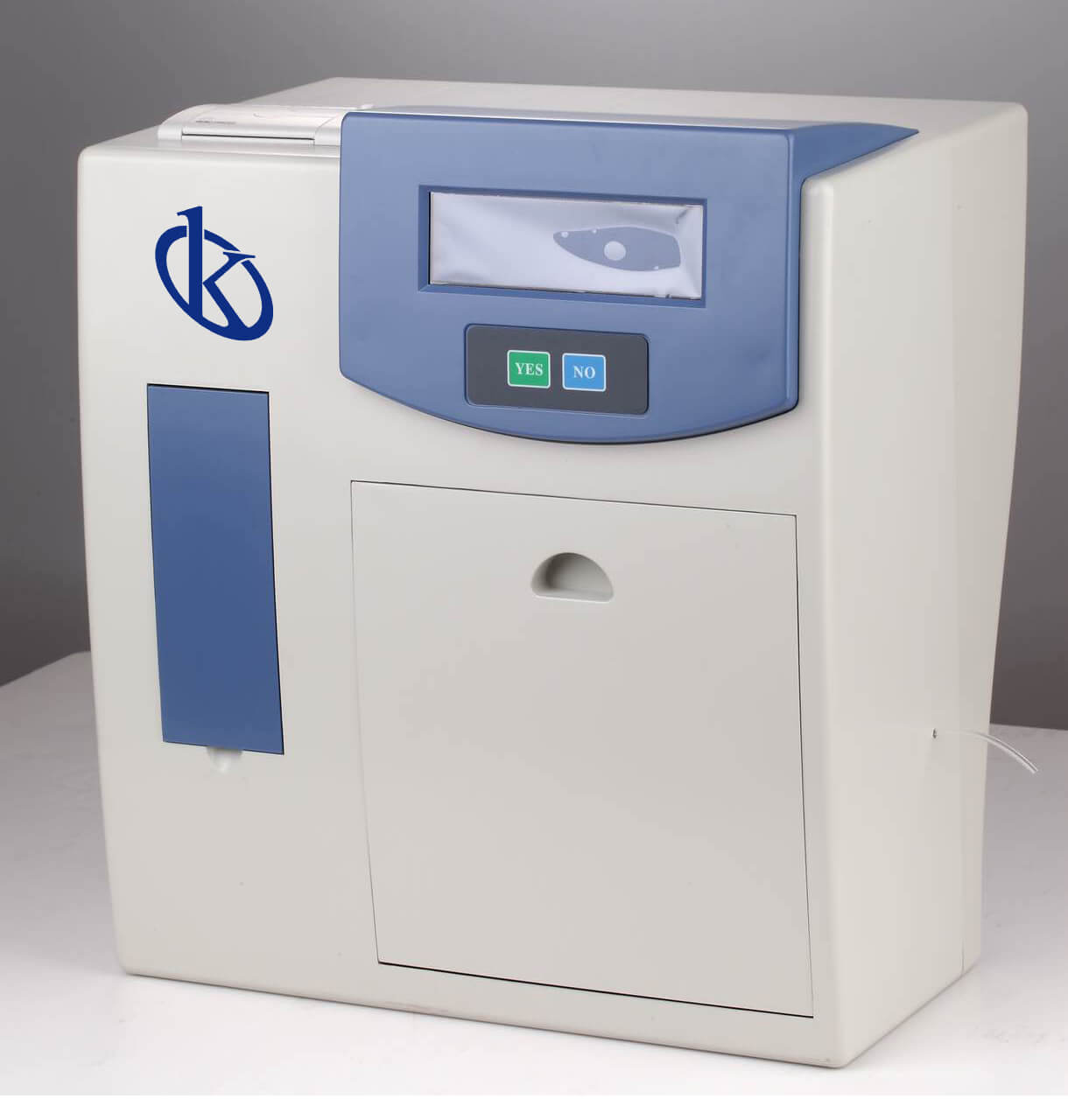
Understanding ROI and Cost-Benefit Analysis for Electrolyte Analyzers
In the ever-evolving laboratory landscape, electrolyte analyzers are pivotal tools for clinicians and laboratory technicians. These devices not only assist in conducting essential tests but also play a significant role in the financial dynamics of a laboratory. Understanding the return on investment (ROI) and cost-benefit analysis for these instruments is crucial for laboratories aiming to optimize their efficiency and financial performance.
Overview of Electrolyte Analyzers and Their Importance
Electrolyte analyzers are specialized instruments that measure various electrolyte levels, essential for diagnosing and managing a range of medical conditions. The ability to accurately gauge electrolytes like sodium, potassium, chloride, and calcium is vital in clinical settings. When selecting an electrolyte analyzer, laboratories must consider not only the technical specifications but also the overall financial implications, including purchase price, operational costs, and potential returns on investment.
Comparison of Available Models
| Model | CAPEX (USD) | Cost per Test (USD) | Payback (months) | Recommended Scenario |
|---|---|---|---|---|
| YR05169 | 6797.50 | 1.50 | 12 | High throughput labs |
| YR06391 | 1250.00 | 0.50 | 6 | Small clinics |
| YR06392 | 1450.00 | 0.55 | 7 | Medium-sized labs |
| YR06393 | 1650.00 | 0.60 | 8 | Diagnostic centers |
| YR06394 | 1850.00 | 0.62 | 9 | Hospitals |
| YR06395 | 2050.00 | 0.65 | 10 | Research facilities |
ROI and Cost-Benefit Analysis of Electrolyte Analyzers
Calculating the ROI for electrolyte analyzers involves analyzing both direct and indirect costs associated with their purchase and operation. Direct costs include acquisition costs, maintenance, and consumables, while indirect costs may involve labor and downtime. By assessing these factors, laboratories can determine how long it will take to recover their investment and the potential profits from increased efficiency and accuracy.
Key Factors Influencing ROI
The following factors significantly influence the ROI for electrolyte analyzers:
- Initial Purchase Price: The upfront cost of each model, e.g., YR05169, is $6797.50, which should be weighed against its features and expected lifespan.
- Operational Costs: This includes reagent costs, calibration expenses, and consumable materials. For instance, the YR06391 offers lower consumable costs, enhancing its cost-effectiveness.
- Throughput Capacity: The number of samples processed per hour directly correlates to revenue generation and can lower the cost per test.
- Service and Maintenance: Regular maintenance can prevent costly downtimes, ensuring continuous operation and reliability.
Quantitative Breakdown of Costs
| Model | Initial Cost (USD) | Annual Operating Cost (USD) | Annual Revenue Potential (USD) | Net Profit (USD) |
|---|---|---|---|---|
| YR05169 | 6797.50 | 3000 | 25000 | 18202.50 |
| YR06391 | 1250.00 | 1200 | 8000 | 6548.00 |
| YR06392 | 1450.00 | 1300 | 10000 | 8148.00 |
| YR06393 | 1650.00 | 1400 | 15000 | 10850.00 |
| YR06394 | 1850.00 | 1450 | 12000 | 10300.00 |
| YR06395 | 2050.00 | 1500 | 18000 | 13450.00 |
Common Mistakes and How to Avoid Them
When evaluating the ROI and cost-benefit for electrolyte analyzers, there are common pitfalls labs may encounter:
- Focusing Solely on Initial Costs: Many laboratories make the mistake of only considering the purchase price. It's essential to evaluate the total cost of ownership (TCO), which includes maintenance and running costs.
- Neglecting to Consider Volume of Tests: Laboratories should assess the number of tests performed monthly to determine which model aligns with their operational demands. For instance, clinics expecting high turnover should consider models with better throughput rates.
- Ignoring Future Needs: It’s vital to consider the growth potential of the laboratory. A model that meets current needs may not be sufficient in a few years.
Factors That Enhance Cost Savings
Implementing specific strategies can lead to significant savings regarding electrolyte analyzers:
- Investing in Training: Proper training for laboratory staff ensures the equipment is used efficiently, reducing waste and errors.
- Regular Maintenance Programs: Setting up a preventive maintenance schedule can prolong the lifespan of the analyzer and lower operational costs.
- Optimizing Reagent Usage: Training staff on reagent handling can drastically reduce costs associated with wastage.
Frequently Asked Questions
How can I evaluate the ROI of an electrolyte analyzer in my lab?
To evaluate the ROI of an electrolyte analyzer, consider both direct costs like the initial purchase price of a model such as YR05169 and indirect costs, including operational expenses. Analyze the potential revenue generated through efficient testing and the payback period to determine profitability.
Which electrolyte analyzer offers the best cost-benefit ratio for small clinics?
The YR06391 electrolyte analyzer, priced at $1250.00, provides an exceptional cost-benefit ratio for small clinics, with an annual operating cost of approximately $1200 and the potential to generate around $8000 in revenue annually, yielding a substantial profit margin.
What are the typical operational costs for an electrolyte analyzer?
Typical operational costs for an electrolyte analyzer, like the YR06395, can include reagents, maintenance, and calibration. For instance, the YR06395 has an annual operating cost of approximately $1500, while generating significant revenue for labs.
How to calculate payback period for an electrolyte analyzer investment?
The payback period is calculated by dividing the initial investment by annual net profits. For example, with the YR05169 having a net annual profit of $18202.50, the payback would be approximately 12 months, making it a lucrative option for labs.
What factors should be considered in a cost-benefit analysis for electrolyte analyzers?
Factors in a cost-benefit analysis for electrolyte analyzers include initial purchase price, operational costs, throughput rates, consumable expenses, and potential revenue. Models like YR06392 and YR06393 offer good insights into different operational scenarios.
How can maintenance impact the ROI of an electrolyte analyzer?
Maintenance significantly impacts the ROI of an electrolyte analyzer. Regular and preventive maintenance ensures reliable operation and minimizes downtimes, which would be crucial for models like YR06394, enhancing their overall profitability.
What is the long-term financial impact of choosing a low-cost electrolyte analyzer?
Selecting a low-cost electrolyte analyzer, such as the YR06391, might minimize upfront expenditures but could lead to higher operational costs due to lower reliability and maintenance needs, affecting the laboratory's long-term financial health.
How do throughput rates affect the cost-benefit of electrolyte analyzers?
Throughput rates are critical in assessing the cost-benefit of electrolyte analyzers. Higher throughput can lead to increased revenue and reduced cost per test, making models like YR06395 preferable for busy labs needing efficiency.
To explore our extensive range of laboratory equipment including electrolyte analyzers, please request a quote on Kalstein Plus.
If you are looking for a fusion of innovation and quality, you have come to the right place. At Kalstein, we offer you the luxury of exploring our exclusive catalog of laboratory equipment. We manufacture every device to the highest standards of excellence. Our intuitive and seamless online purchasing channels are designed for your convenience, securing the most competitive prices. Hesitate no longer — we bring science to life, it is time to become part of our community.