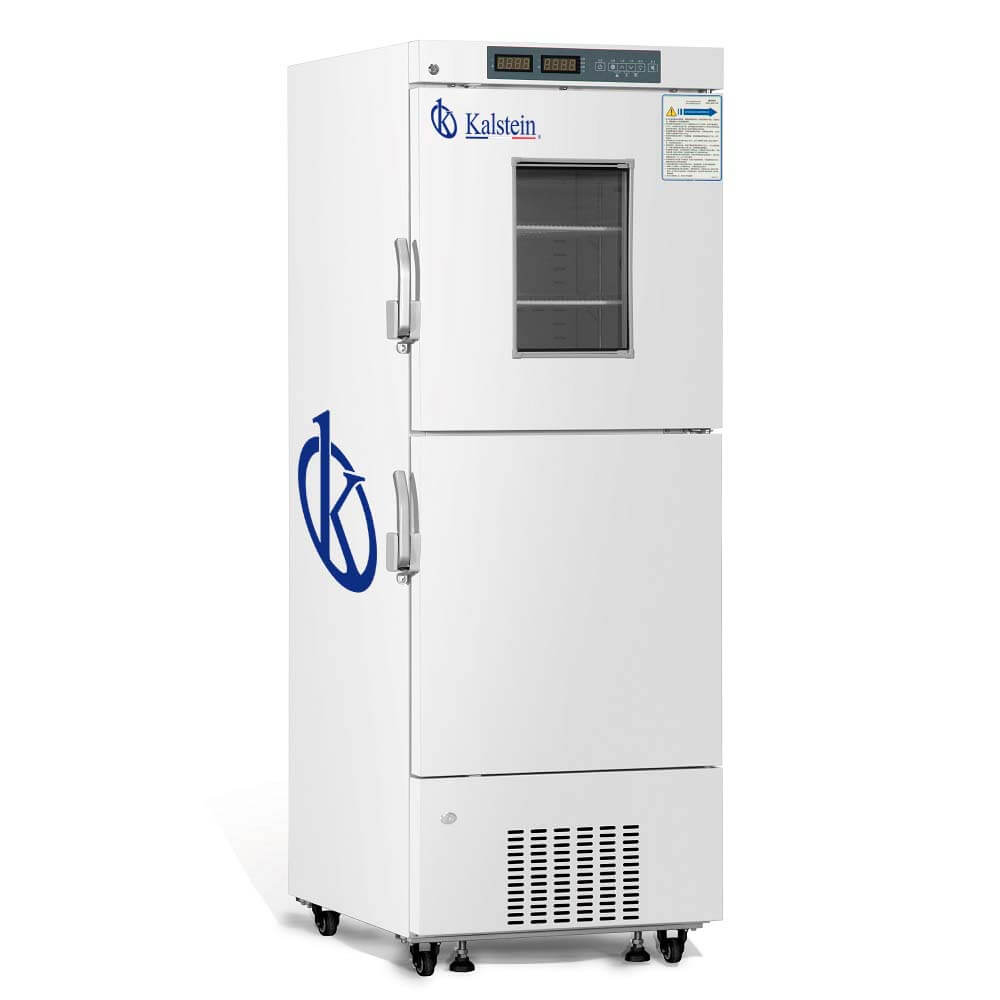
How to Evaluate ROI and Cost-Benefit Analysis for Combined Freezers in Laboratories
In the quest for optimizing laboratory efficiency, the selection of the right equipment is vital. This article delves into the crucial area of Return on Investment (ROI) and cost-benefit analysis specifically focusing on combined freezers. These devices play a significant role in preserving biological samples and other sensitive materials, making it essential to evaluate their financial implications thoroughly.
Understanding the Importance of ROI in Laboratory Equipment
Return on Investment is a measure that evaluates the efficiency of an investment. In laboratory settings, understanding the ROI on equipment like combined freezers can help one decide whether the initial expenditure aligns with the long-term financial benefits. A comprehensive ROI calculation includes direct costs, maintenance, and operational expenses, guiding laboratory managers towards sound financial planning.
Cost-Benefit Analysis Framework for Combined Freezers
A cost-benefit analysis (CBA) framework enables laboratories to assess the tangible and intangible benefits of investing in combined freezers. This includes a detailed examination of factors such as energy consumption, maintenance costs, and expected lifespan. By comparing these costs against the benefits—like improved sample preservation and reduced waste—laboratories can make informed investment decisions.
Key Metrics for Evaluating Combined Freezers
When analyzing combined freezers, several key metrics should be considered:
- Energy Efficiency: Measured in kilowatt-hours (kWh) used per day, this metric is crucial in determining the operational costs of the freezers.
- Cooling Capacity: The ability to maintain specific temperature ranges is vital for preserving various biological materials.
- Maintenance Costs: Regular upkeep affects the total cost of ownership and should be anticipated in ROI calculations.
- Expected Lifespan: Understanding how long the equipment is projected to last impacts depreciation calculations.
Comparison of Available Models
| Model | CAPEX (USD) | Cost per Test (USD) | Payback Period (months) | Recommended Scenario |
|---|---|---|---|---|
| YR05320 | 1415.00 | 0.50 | 24 | Pharmacy storage and plasma preservation |
| YR05321 | 1060.00 | 0.45 | 20 | Hospital blood stations and laboratory usage |
| YR05321-1 | 745.00 | 0.40 | 18 | Transfusion centers and routine lab work |
Examining Various Scenarios for ROI Calculations
Different laboratory scenarios will yield varying ROI calculations. For instance, a laboratory focusing on transfusion medicine may find that the YR05321 model, with faster cooling rates and lower operating costs, can significantly reduce the monthly expenditures on consumables, thereby providing a quicker payback period. Conversely, for smaller labs with less frequent usage, the more budget-friendly YR05321-1 might be the better choice, offering lower upfront costs.
Common Mistakes and How to Avoid Them
Laboratories often encounter pitfalls in their equipment investments. Here are some common mistakes and strategies to avoid them:
- Overlooking Total Cost of Ownership: Many focus solely on CAPEX while neglecting maintenance and operational costs.
- Ignoring Energy Consumption: Always assess kWh per day to ensure energy efficiency aligns with budget expectations.
- Neglecting to Update ROI Calculations: Regularly revisiting ROI calculations is key as operational changes and technology improvements occur.
Final Thoughts on Cost-Benefit Analysis for Combined Freezers
In conclusion, a thorough understanding of ROI and cost-benefit analysis is imperative for laboratories looking to invest in combined freezers. By utilizing the metrics and scenarios discussed, laboratory managers can make informed decisions that optimize equipment usage and budget allocations.
Frequently Asked Questions
What ROI can I expect from combined freezers in laboratory settings?
Typically, the ROI from combined freezers like the YR05320 can yield a payback period of around 24 months, depending on operational frequency and energy costs. This can vary with each model based on specific lab requirements and energy consumption.
How do energy costs impact the financial analysis of combined freezers?
Energy costs significantly affect the financial analysis, as models like the YR05321 are known for their lower daily energy consumption rates, around 3.03 kWh per day, thereby reducing operational costs over time, which contributes to a faster ROI.
Which combined freezer model is best for blood storage in hospitals?
The YR05321 model is designed with a dual cooling system, making it ideal for blood storage, providing independent temperature control for optimized preservation, which is crucial in hospital settings.
How can I calculate the cost per test for combined freezers?
The cost per test can be derived by dividing the total operational costs, including maintenance and energy, by the number of tests conducted. For example, using the YR05321-1 in a high-volume lab can lower the cost per test to approximately $0.40.
What is the expected lifespan of a combined freezer in a lab?
Generally, combined freezers, such as the YR05320, have an expected lifespan of 10-15 years with proper maintenance, which should be factored into the long-term ROI calculations.
What factors should I consider for the cooling capacity of combined freezers?
When assessing cooling capacity, consider the temperature range and the volume of samples. Models like the YR05321 offer adjustable temperatures suitable for both freezing and refrigeration, making them versatile for laboratory needs.
What maintenance costs should I anticipate for combined freezers?
Maintenance costs can vary, but regular checks and servicing are essential. For models like YR05321-1, budgeting around 5% of the initial investment annually for maintenance is advisable to ensure longevity and performance.
How can I ensure compliance with laboratory standards using combined freezers?
Ensuring compliance involves following established protocols for storage temperatures and maintenance logs. The YR05320 model has features that help maintain the required standards, making it suitable for regulatory environments.
If you are looking for a fusion of innovation and quality, you have come to the right place. At Kalstein, we offer you the luxury of exploring our exclusive catalog of laboratory equipment. We manufacture every device to the highest standards of excellence. Our intuitive and seamless online purchasing channels are designed for your convenience, securing the most competitive prices. Hesitate no longer — we bring science to life, it is time to become part of our community.