Regulatory Compliance in Veterinary Surgery: Meeting ISO/IEC Standards with Surgical Tools
In the field of veterinary surgery, compliance with ISO/IEC standards is paramount for ensuring patient safety and enhancing surgical outcomes. This article delves into how specific veterinary surgical tools meet these regulatory requirements. Understanding these standards not only allows veterinary professionals to uphold quality and safety in their practices but also positions them to advance their clinics through improved operational efficiency and reliability.
Understanding ISO/IEC Standards Relevant to Veterinary Surgery
ISO/IEC standards provide frameworks and guidelines that ensure the quality and safety of products and services in various sectors, including veterinary medicine. Key standards such as ISO 17025 focus on testing and calibration laboratories, while ISO 15189 outlines requirements for quality and competence in medical laboratories. Compliance with these standards is crucial for veterinary surgical practices aiming to deliver safe and effective care.
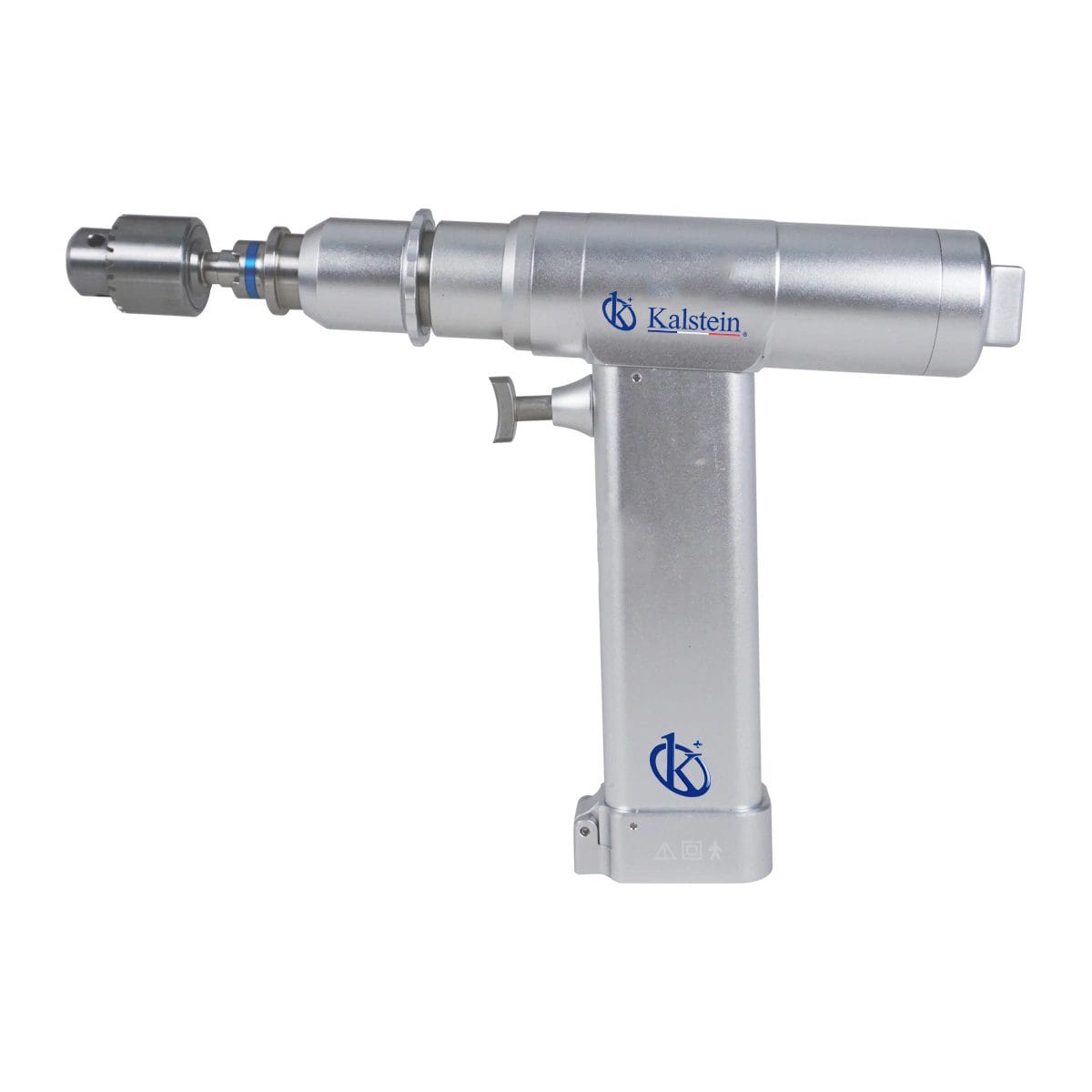
Veterinary surgical tools must not only meet operational needs but also align with these standards to enhance patient safety, optimize outcomes, and mitigate legal liabilities. Tools like the Electric Multifunction Tool for Veterinary Surgery YR06126 and the Micro/Mini Multifunctional Veterinary Tool for Small Animals YR06127 exemplify designs that help meet these stringent guidelines.
Key ISO/IEC Clauses and Their Importance
Complying with ISO/IEC standards involves understanding specific clauses that impact veterinary surgical tools. For instance, ISO 17025 emphasizes requirements for quality management and technical competence, which are vital in ensuring that tools like the Veterinary TPLO Saw YR06128 are reliable during surgeries.
Moreover, traceability and documentation form a significant part of these standards. Veterinary practices must maintain comprehensive records of equipment calibration and usage, which directly relates to the performance of surgical tools. Utilizing tools that facilitate easy documentation contributes to compliance and operational efficiency.
Comparison of Available Models
| Model | ISO/IEC Clauses Covered | Traceability Features | Best For |
|---|---|---|---|
| YR06126 | ISO 17025, ISO 15189 | Real-time monitoring and logging | Complex surgeries |
| YR06127 | ISO 17025 | Integrated usage logs | Small animal surgeries |
| YR06128 | ISO 15189 | Calibration tracking | TPLO surgeries |
How Each Model Contributes to Compliance
The Electric Multifunction Tool for Veterinary Surgery YR06126 offers a comprehensive range of applications and rapid adapter changes, which are essential for meeting ISO standards in various surgical procedures. With its robust output power and low noise levels, it provides a reliable option for both complex and routine surgeries.
On the other hand, the Micro/Mini Multifunctional Veterinary Tool for Small Animals YR06127 is specifically designed for precision, with a 360° rotating head and quick chuck for easy blade changes. This model fulfills ISO 17025 requirements by ensuring that all operations are traceable and documented, enhancing compliance in smaller surgical settings.
Finally, the Veterinary TPLO Saw YR06128 is tailored for specific procedures like TPLO surgeries, ensuring compliance with ISO 15189 by offering features that facilitate quick and accurate osteotomy. Its stainless steel construction and focus on safety make it a compliant choice for high-stakes surgical environments.
Documentation and Record-Keeping Practices
Documenting the usage, maintenance, and calibration of veterinary surgical tools is crucial for compliance with ISO/IEC standards. This includes maintaining detailed logs of each tool's performance and ensuring that they are easily accessible for audits. Tools that integrate documentation features, such as the YR06126 and YR06127, can simplify this process significantly.
Regular audits of these records not only satisfy regulatory requirements but also promote best practices within the veterinary clinic, enhancing overall service quality.
Common Mistakes and How to Avoid Them
Many veterinary practices overlook the importance of adhering to ISO/IEC standards and fail to adequately document the usage of their surgical tools. It’s essential to maintain systematic records and regularly verify that all equipment is compliant with current regulations.
Additionally, failing to train staff on compliance protocols can lead to mishandling or misuse of instruments. Ensuring that all team members are educated about these standards can prevent these common pitfalls and enhance operational safety.
Frequently Asked Questions
How can I ensure compliance with ISO 17025 using surgical tools?
Utilizing tools like the Electric Multifunction Tool for Veterinary Surgery YR06126 can help meet ISO 17025 standards by providing reliable performance and documentation capabilities. It's essential to maintain detailed records of usage and calibration to ensure compliance.
What are the key ISO/IEC standards for veterinary surgical tools?
The two critical standards are ISO 17025, which focuses on testing and calibration, and ISO 15189, which pertains to medical laboratories. Compliance with these ensures the safety and efficacy of models like the Veterinary TPLO Saw YR06128.
Which features of surgical tools support compliance with ISO 15189?
Features like calibration tracking and real-time monitoring, as seen in the Micro/Mini Multifunctional Veterinary Tool for Small Animals YR06127, support compliance with ISO 15189 by ensuring accuracy and reliability in surgical procedures.
How can I document the usage of veterinary surgical tools effectively?
Implementing integrated logging functions in surgical tools, such as those found in the YR06126 model, allows for easy documentation of usage and maintenance, essential for achieving ISO compliance.
What are the costs associated with ISO-compliant veterinary surgical tools?
The investment in ISO-compliant surgical tools like the Veterinary TPLO Saw YR06128 can vary, but the emphasis on quality and reliability often results in long-term cost savings by minimizing errors and enhancing patient outcomes.
How do traceability features help in regulatory compliance?
Traceability features in surgical tools, such as usage logs in the YR06127 model, provide a clear record for audits, ensuring that all procedures adhere to ISO/IEC standards and enhance accountability in veterinary practices.
What training is necessary for staff regarding ISO compliance?
Staff should undergo training focused on ISO standards relevant to veterinary practices, emphasizing tool usage, documentation, and compliance protocols. This training is vital for safe and effective patient care.
How does choosing the right surgical tool affect compliance costs?
Selecting compliant surgical tools like the Electric Multifunction Tool for Veterinary Surgery YR06126 can significantly reduce compliance costs by minimizing errors and ensuring that all procedures follow established standards.
If you are looking for a fusion of innovation and quality, you have come to the right place. At Kalstein, we offer you the luxury of exploring our exclusive catalog of laboratory equipment. We manufacture every device to the highest standards of excellence. Our intuitive and seamless online purchasing channels are designed for your convenience, securing the most competitive prices. Hesitate no longer — we bring science to life, it is time to become part of our community.