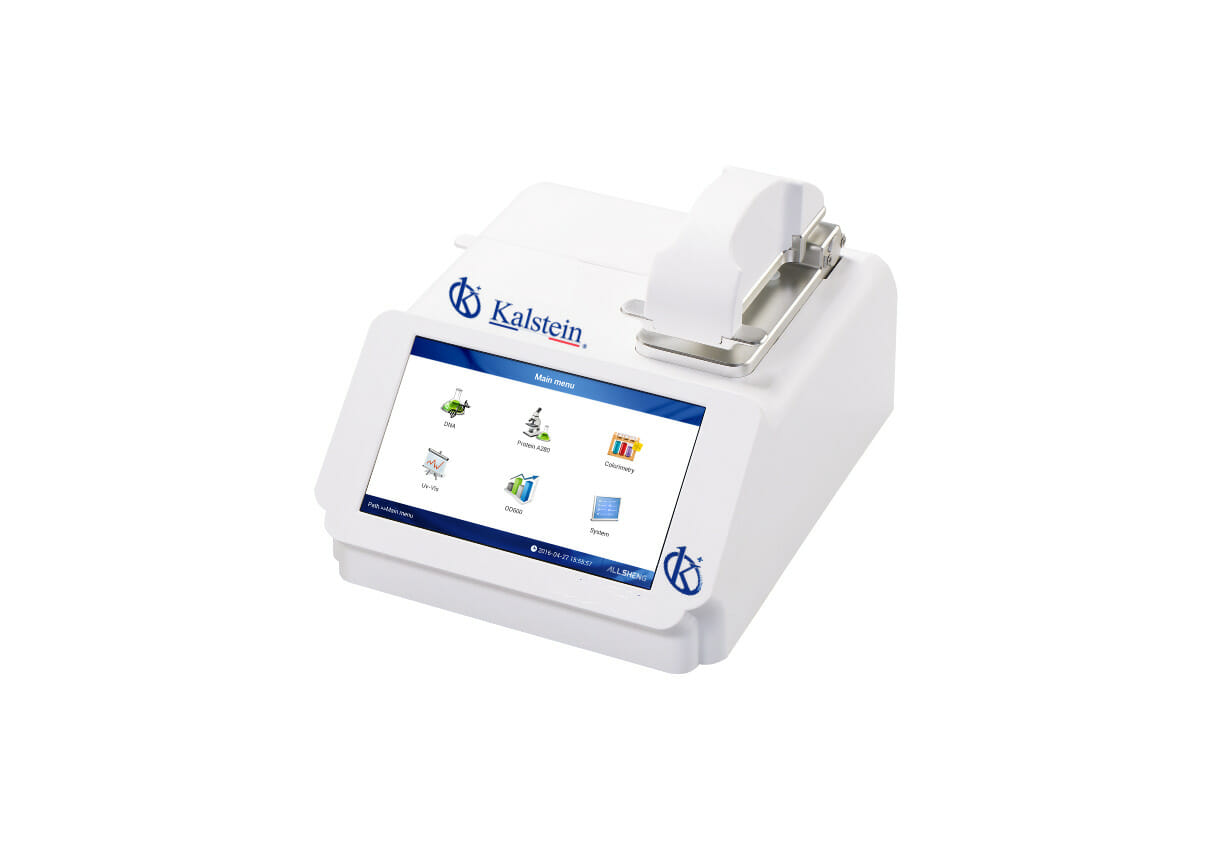
Ensuring Regulatory Compliance with Micro-Spectrophotometers: A Comprehensive Analysis
In the world of laboratory analysis, especially in molecular biology and biochemical research, micro-spectrophotometers play a crucial role. These devices not only facilitate the precise measurement of nucleic acids and proteins but also contribute significantly to meeting regulatory compliance, particularly with ISO/IEC standards. As laboratories strive for excellence, understanding how these instruments support compliance becomes essential.
Understanding ISO/IEC Norms for Laboratories
The ISO/IEC norms establish guidelines for laboratory operations, ensuring accuracy, reliability, and safety. Chief among these is ISO 17025, which outlines requirements for testing and calibration laboratories. Compliance with ISO 17025 involves demonstrating capacity to produce valid and reliable results, necessitating the use of reliable instrumentation such as micro-spectrophotometers.
ISO 15189 is another relevant standard focusing specifically on medical laboratories. It emphasizes quality and competence in laboratory services and is crucial for laboratories that conduct clinical tests. Investigating how micro-spectrophotometers can assist in adhering to these standards helps elucidate their importance in laboratory settings.
Comparison of Available Models
| Model | ISO/IEC Clauses Covered | Traceability Features | Best For |
|---|---|---|---|
| YR06033-1 | ISO 17025 | Supports USB data output | High-throughput labs |
| YR06034 | ISO 15189 | Direct sampling without glass cuvettes | Genomics applications |
| YR06035 | ISO 17025 | Built-in calibration methods | Protein analysis |
| YR06033 | ISO 15189 | Traceable wavelength calibration | Academic research |
ISO 17025 Compliance: Key Requirements and Micro-Spectrophotometer Features
ISO 17025 emphasizes the need for laboratories to demonstrate their technical competence. This includes stringent requirements for equipment used in tests and calibrations. Micro-spectrophotometers, such as the YR06033-1, offer features like wavelength accuracy of ±1 nm and a minimum sample size of just 0.5 μl, making them highly suitable for compliance.
Moreover, the precision of absorbance readings (0.003Abs) ensures that results are reliable, directly impacting compliance with the standard's requirements for valid results. Such features make these devices indispensable in laboratories aiming for ISO certification.
Documenting Compliance: Audit Checklists for Micro-Spectrophotometers
Documenting compliance with ISO/IEC standards is an ongoing process. Laboratories should maintain detailed records of operations, calibration, and any maintenance performed on their micro-spectrophotometers. An audit checklist could include:
- Calibration records for each unit.
- Training logs for personnel operating the spectrophotometers.
- Results of previous validations and verifications.
- Maintenance and service history.
Incorporating these elements into a compliance strategy ensures that laboratories are well-prepared for audits and can demonstrate adherence to regulatory standards effectively.
Traceability and Accuracy: The Backbone of Compliance
Traceability is a critical component of compliance, especially under ISO 17025. Micro-spectrophotometers must provide traceable results through established calibration standards. The YR06034, for instance, facilitates traceability by allowing users to directly add samples to the measurement platform, thus reducing the risk of contamination and ensuring repeatable results.
The accuracy of measurements is paramount. The YR06035, with its advanced detector and precise wavelength capabilities, supports laboratories in achieving and maintaining compliance through reliable data generation, essential for quality control and assurance processes.
Common Mistakes and How to Avoid Them
Laboratories often encounter pitfalls when it comes to compliance with ISO/IEC standards. A common mistake is using outdated calibration methods. Ensuring that micro-spectrophotometers are calibrated regularly using traceable standards is vital for maintaining compliance.
Another mistake is neglecting personnel training. All operators should be thoroughly trained in using micro-spectrophotometers properly. Implementing a robust training program promotes a culture of quality and adherence to standards, mitigating risks of non-compliance.
Frequently Asked Questions
What features help micro-spectrophotometers meet ISO 17025 compliance standards?
Micro-spectrophotometers like the YR06033-1 feature precise wavelength accuracy and minimal sample size requirements, which are crucial for ISO 17025 compliance. These specifications ensure that the results are valid and repeatable, essential for meeting the standard's stringent criteria.
How can YR06034 assist with ISO 15189 compliance in medical laboratories?
YR06034 allows for direct sample measurements without glass cuvettes, which simplifies the testing process and enhances efficiency. Its design supports compliance with ISO 15189 by ensuring accurate and reliable diagnostic results crucial in clinical settings.
Which micro-spectrophotometer is best for genomic applications under ISO norms?
The YR06034 is optimal for genomic applications, providing the precision required to measure nucleic acid concentrations accurately. It meets ISO compliance standards, crucial for laboratories focusing on genetic research and diagnostics.
What role does traceability play in laboratory compliance for micro-spectrophotometers?
Traceability ensures that measurement results can be linked back to recognized standards. Micro-spectrophotometers like the YR06035 provide built-in calibration features, enhancing traceability and compliance with ISO/IEC requirements.
How often should micro-spectrophotometers be calibrated to maintain compliance?
To maintain compliance with ISO standards, micro-spectrophotometers should be calibrated at least annually or after any significant maintenance. This frequency helps ensure accuracy and reliability in measurement results essential for regulatory compliance.
What documentation should be maintained for compliance with ISO standards?
Laboratories should maintain calibration records, training logs for personnel, and results from validations and verifications. This documentation demonstrates adherence to ISO standards and is essential during audits.
How can I ensure my laboratory is prepared for ISO audits?
Preparing for ISO audits involves keeping thorough records of compliance activities, including calibration and training logs, and conducting regular internal audits to identify and mitigate potential issues before the official audit.
What impact do micro-spectrophotometers have on improving laboratory throughput and compliance?
Micro-spectrophotometers improve laboratory throughput by allowing rapid measurements with minimal sample sizes. Models like YR06033-1 enhance compliance by providing accurate and efficient results, thus facilitating adherence to regulatory standards.
If you are looking for a fusion of innovation and quality, you have come to the right place. At Kalstein, we offer you the luxury of exploring our exclusive catalog of laboratory equipment. We manufacture every device to the highest standards of excellence. Our intuitive and seamless online purchasing channels are designed for your convenience, securing the most competitive prices. Hesitate no longer — we bring science to life, it is time to become part of our community.