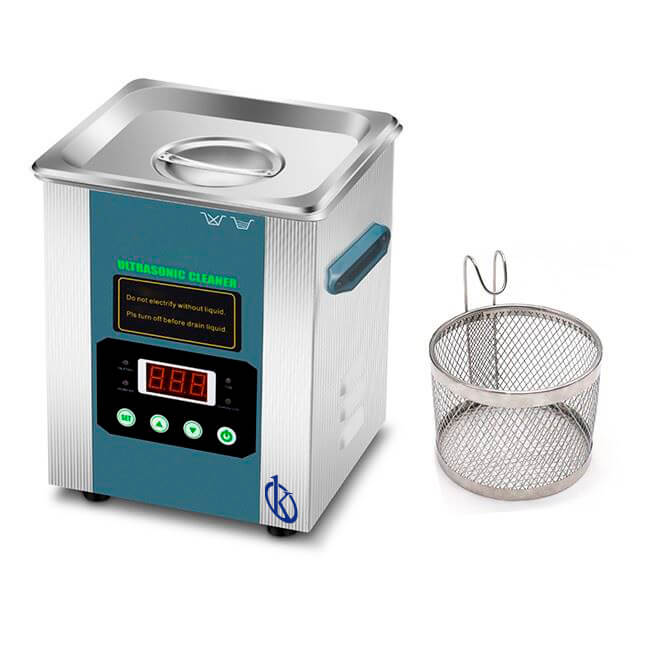
Regulatory Compliance in Laboratories: Understanding ISO/IEC Standards with Digital Display Ultrasonic Cleaners
Laboratories are often required to comply with various ISO/IEC standards to ensure quality, safety, and efficiency in their operations. Among the essential equipment that can contribute to this compliance are digital display ultrasonic cleaners. These devices not only enhance cleaning processes but also align with regulatory requirements, particularly in industries such as medical, electronics, and jewelry. In this article, we will dive deep into the ISO/IEC standards relevant to laboratories and how specific models of digital display ultrasonic cleaners help meet these benchmarks.
Overview of ISO/IEC Standards Relevant to Laboratories
ISO/IEC standards provide a framework to ensure quality and reliability in laboratory environments. Key standards include:
- ISO 17025: This standard specifies the general requirements for the competence of testing and calibration laboratories.
- ISO 15189: Focused on medical laboratories, this standard addresses the quality and competence requirements.
- IEC 61010: This standard pertains to the safety requirements for electrical equipment used in measurement, control, and laboratory use.
Understanding these standards is vital as they dictate the operational protocols that must be followed in laboratories.
How Digital Display Ultrasonic Cleaners Aid in Compliance
Digital display ultrasonic cleaners utilize advanced technology to provide thorough cleaning, which is crucial for maintaining compliance with ISO/IEC standards. These devices offer features such as:
- Automated Controls: Ensuring consistent cleaning processes that meet specified criteria.
- Traceability: The ability to document cleaning cycles, which helps in adhering to ISO 17025 standards.
- High Efficiency: Utilizing industrial-grade transducers for effective cleaning results, which is necessary for compliance in sensitive environments.
Comparison of Available Models
| Model | ISO/IEC Clauses Covered | Traceability Features | Best For |
|---|---|---|---|
| YR05208 | ISO 17025, IEC 61010 | Automated cleaning logs | Jewelry cleaning, electronics |
| YR05209 | ISO 15189 | Digital time tracking | Home use, small labs |
| YR05212 | ISO 17025 | Cleaning cycle records | Medical labs |
| YR05213 | IEC 61010 | Automated service reminders | Research facilities |
| YR05214 | ISO 17025 | Data export capability | High-volume labs |
| YR05215 | ISO 15189, IEC 61010 | Comprehensive audit trails | Advanced cleaning needs |
Common Mistakes and How to Avoid Them
When selecting ultrasonic cleaners for laboratory use, several common mistakes can lead to non-compliance or inefficient operations. Here are some key mistakes and how to avoid them:
- Ignoring ISO Standards: Always assess whether the ultrasonic cleaner meets relevant ISO/IEC standards. Verify model specifications against these standards.
- Overlooking Maintenance: Regular maintenance is crucial for compliance. Schedule periodic checks to ensure the equipment operates within specifications.
- Inadequate Training: Ensure all personnel using the equipment are trained on the relevant standards and operational protocols.
Benefits of Digital Display Ultrasonic Cleaners in Regulatory Compliance
Digital display ultrasonic cleaners offer numerous benefits that enhance regulatory compliance:
- Efficiency: They provide quick and thorough cleaning, significantly reducing downtime for equipment.
- Documentation: Many models offer features that facilitate easy documentation and record-keeping necessary for compliance audits.
- Versatility: Their ability to clean various materials makes them valuable in diverse laboratory settings.
Integrating Ultrasonic Cleaners into Quality Management Systems
Integrating ultrasonic cleaners into a laboratory's quality management system (QMS) is vital for regulatory compliance. A structured approach includes:
- Process Mapping: Identify how ultrasonic cleaning fits into overall laboratory workflows.
- Training Programs: Develop training for staff on the operational and compliance aspects of using ultrasonic cleaners.
- Audit Procedures: Implement regular audits to ensure ongoing compliance with ISO and IEC standards.
Frequently Asked Questions
How do digital display ultrasonic cleaners support ISO 17025 compliance?
The YR05208 and YR05212 models are specifically designed to support ISO 17025 compliance through automated cleaning logs and traceability features, ensuring that all cleaning processes are documented and verifiable.
What features should I look for in an IEC 61010 compliant ultrasonic cleaner?
When selecting an ultrasonic cleaner like the YR05215, ensure it includes safety certifications, automated monitoring, and audit trail capabilities that align with IEC 61010 standards for laboratory equipment safety.
Which ultrasonic cleaner is best for medical laboratory compliance with ISO 15189?
The YR05209 model is ideal for medical laboratories focusing on ISO 15189 compliance, thanks to its digital controls and efficient cleaning capabilities that ensure instruments are thoroughly cleaned and ready for patient use.
What are the main benefits of using stainless steel ultrasonic cleaners for compliance?
Stainless steel ultrasonic cleaners, such as the YR05214, provide durability and resistance to corrosion, which is crucial for maintaining compliance in highly regulated environments by ensuring long-lasting performance and effectiveness.
How often should ultrasonic cleaners be calibrated to meet compliance standards?
Regular calibration is essential; ultrasonic cleaners like the YR05213 should be checked at least every six months to maintain their efficacy and ensure compliance with standards such as ISO 17025.
Can ultrasonic cleaners help reduce reagent waste in laboratories?
Yes, using ultrasonic cleaners like the YR05212 can significantly reduce reagent waste by providing efficient cleaning that minimizes the need for excessive chemicals, aligning with sustainability practices in regulatory compliance.
How to document cleaning processes for compliance audits?
Models like the YR05215 come equipped with automated documentation features that log cleaning cycles, making it straightforward to demonstrate compliance during audits and inspections.
What is the expected ROI from using ultrasonic cleaners in a laboratory?
The YR05209 model can demonstrate a positive ROI by reducing operational costs through efficient cleaning processes, thus minimizing labor and chemical expenses over time.
If you are looking for a fusion of innovation and quality, you have come to the right place. At Kalstein, we offer you the luxury of exploring our exclusive catalog of laboratory equipment. We manufacture every device to the highest standards of excellence. Our intuitive and seamless online purchasing channels are designed for your convenience, securing the most competitive prices. Hesitate no longer — we bring science to life, it is time to become part of our community.