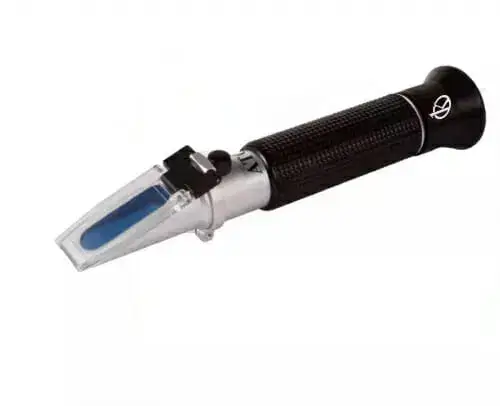
Ensuring Regulatory Compliance in Laboratories with Honey Refractometers
In laboratory settings, regulatory compliance is paramount for ensuring that operations meet international standards. Honey refractometers are essential tools in the quality control of sugar-related liquids, playing a significant role in monitoring and controlling the sugar concentrations in food and beverages. They are also integral in assessing the "maturity" of fruits for harvest. This article aims to explore various models of honey refractometers and how they can help laboratories comply with relevant ISO/IEC standards.
Understanding ISO/IEC Standards Relevant to Honey Refractometers
ISO/IEC standards provide a framework that laboratories must follow to ensure quality and reliability in their processes. For honey refractometers, relevant standards include ISO 17025 for testing and calibration laboratories and ISO 15189 for medical laboratories. Compliance with these standards guarantees that the equipment used, such as honey refractometers, meets the necessary quality assurance criteria.
How Honey Refractometers Support Compliance with ISO Standards
Honey refractometers are designed to provide accurate measurements critical for regulatory compliance. For instance, the YR05885 model can measure sugar concentrations ranging from 58-92% Brix, which is essential for ensuring that honey and other sugar-related products meet quality standards. Accurate readings help laboratories maintain compliance with ISO 17025, as they demonstrate the precision and reliability of testing methods.
Key Features for Compliance
Features such as automatic temperature compensation (ATC) and high accuracy (±0.5% Brix) of honey refractometers support compliance. The YR05886 model, for example, operates efficiently within a temperature range of 50-86°F, allowing for reliable measurements in various conditions. This adaptability is crucial for meeting the stringent requirements of ISO standards.
Comparison of Available Models
| Model | ISO/IEC Clauses Covered | Traceability Features | Best For |
|---|---|---|---|
| YR05885 | ISO 17025, ISO 15189 | Calibration records, ATC | Quality control in honey production |
| YR05885-1 | ISO 17025, ISO 15189 | Calibration records, ATC | Field measurements |
| YR05885-2 | ISO 17025, ISO 15189 | Calibration records, ATC | Processing and packaging control |
| YR05886 | ISO 17025, ISO 15189 | Calibration records, ATC | Fruit maturity assessment |
Common Mistakes and How to Avoid Them
In laboratories using honey refractometers, common mistakes often include improper calibration and failure to record measurements adequately. It is crucial to routinely calibrate each model, such as the YR05885, to ensure compliance with ISO 17025. Laboratories should implement a strict calibration schedule and maintain comprehensive records to avoid potential non-compliance.
Benefits of Using Honey Refractometers in Compliance
Employing honey refractometers like the YR05886 offers numerous benefits in regulatory compliance. These tools enhance the accuracy of measurements, reduce human error, and streamline the process of verifying product quality. The efficiency gained through precise readings also assists laboratories in meeting the operational requirements of regulatory bodies.
Improving Quality Control Processes
Quality control is enhanced through the use of honey refractometers by providing a reliable method for assessing sugar concentrations. For instance, the YR05885-1 model is ideal for monitoring concentrations during processing, ensuring that products meet the specifications set forth by both ISO and local regulatory standards.
Frequently Asked Questions
How can honey refractometers help achieve ISO 17025 compliance in laboratories?
Honey refractometers like the YR05885 assist in achieving ISO 17025 compliance by providing accurate measurements of sugar concentrations, necessary for quality control. Calibration records generated from these models ensure traceability, a key requirement in the standard.
What key features should I look for in a honey refractometer for regulatory compliance?
When selecting a honey refractometer, look for features such as automatic temperature compensation (ATC) and high precision. The YR05886, for example, offers ±0.5% Brix accuracy and ATC, making it suitable for regulatory compliance.
Which honey refractometer model is best for monitoring sugar concentrations in food production?
The YR05885 model is an excellent choice for monitoring sugar concentrations in food production, as it measures between 58-92% Brix. This range is crucial for ensuring product quality and compliance with food safety standards.
What are the benefits of using automatic temperature compensation in honey refractometers?
Automatic temperature compensation (ATC) in honey refractometers, such as the YR05886, ensures accurate readings regardless of temperature fluctuations. This feature is vital for maintaining compliance with ISO standards, as it reduces measurement errors.
How can I ensure proper calibration of honey refractometers in my laboratory?
To ensure proper calibration, establish a regular calibration schedule and utilize traceable standards. Models like the YR05885 provide calibration records that facilitate maintaining ISO compliance in your laboratory's processes.
What is the role of honey refractometers in assessing fruit maturity?
Honey refractometers, especially the YR05886, play a crucial role in assessing fruit maturity by measuring sugar levels. This information helps farmers determine the best time for harvesting, ensuring quality products compliant with industry standards.
How do I select the right honey refractometer model for my laboratory needs?
When selecting a honey refractometer, consider the specific requirements of your applications. For example, the YR05885-1 is suited for field measurements, while the YR05886 is ideal for assessing fruit maturity, helping ensure compliance with relevant standards.
In what scenarios would I use a honey refractometer in a laboratory setting?
Honey refractometers are used in laboratory settings to monitor sugar concentrations during food processing, assess fruit maturity, and ensure product quality. Models such as the YR05885 are particularly useful for these applications, supporting regulatory compliance.
If you are looking for a fusion of innovation and quality, you have come to the right place. At Kalstein, we offer you the luxury of exploring our exclusive catalog of laboratory equipment. We manufacture every device to the highest standards of excellence. Our intuitive and seamless online purchasing channels are designed for your convenience, securing the most competitive prices. Hesitate no longer — we bring science to life, it is time to become part of our community.