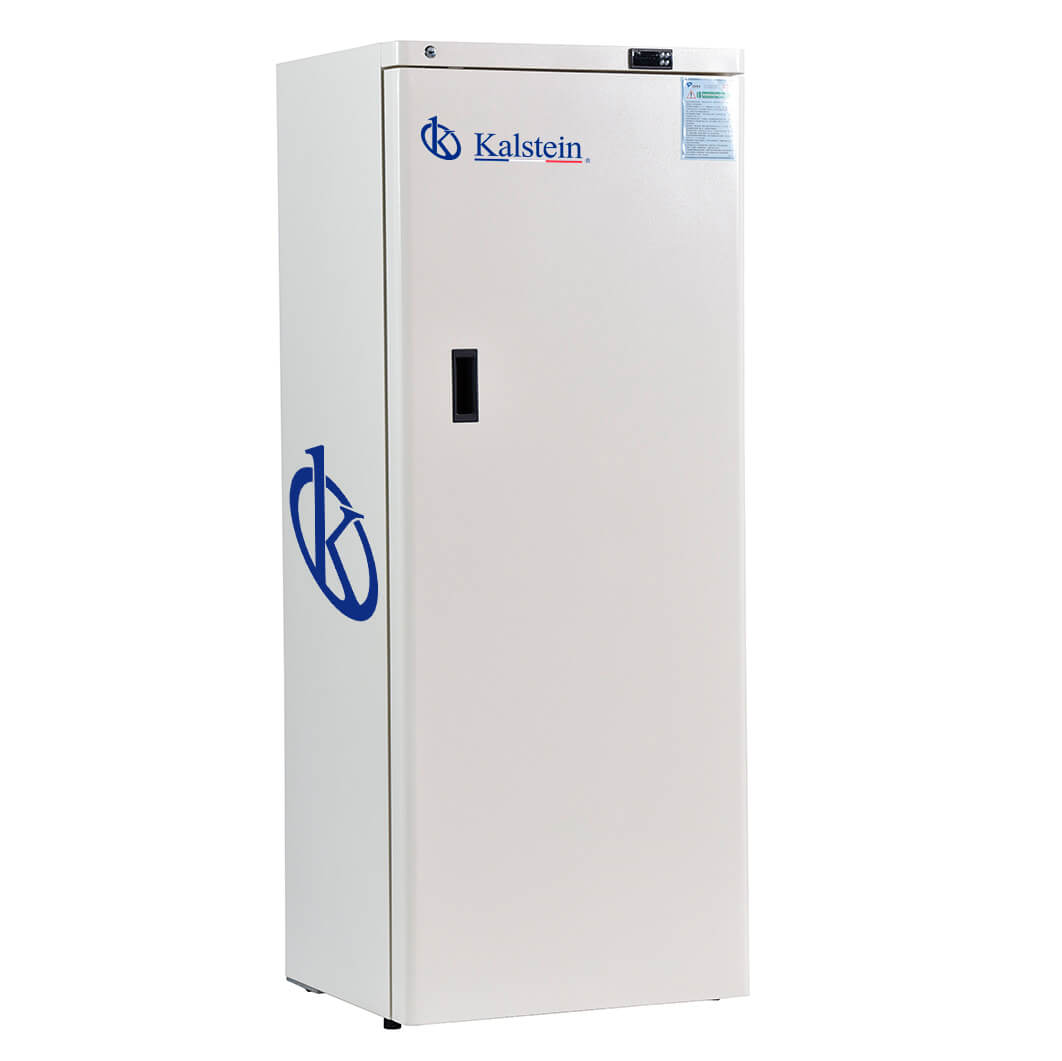
How to Implement Predictive Maintenance and Regular Calibration for Upright Freezers
Upright freezers are essential in laboratory settings, particularly for the storage of biological samples, medical supplies, and pharmaceuticals. Ensuring these freezers operate efficiently through predictive maintenance and regular calibration is critical for maintaining sample integrity and compliance with industry standards. This article explores the importance of these practices and provides a comparative analysis of various models in the upright freezer category.
Understanding Predictive Maintenance and Calibration
Predictive maintenance involves using data and analytics to predict equipment failures before they occur, allowing laboratories to perform timely maintenance. Regular calibration, on the other hand, ensures that the freezer's temperature readings are accurate and meet set standards. Both practices not only enhance the lifespan of the equipment but also safeguard the samples stored within.
Importance of Predictive Maintenance in Upright Freezers
Predictive maintenance can significantly reduce unexpected breakdowns. By analyzing historical data and performance metrics, laboratories can pinpoint potential issues such as compressor failure or temperature fluctuations. Implementing a predictive maintenance strategy helps in planning maintenance activities during non-peak hours, minimizing disruptions in laboratory workflows.
Regular Calibration: A Necessity for Compliance
Calibration of upright freezers is essential for ensuring compliance with standards such as ISO 17025. Regular calibration helps laboratories maintain accurate temperature control, which is crucial for preserving the integrity of biological samples. Calibration should be performed according to manufacturer recommendations and regulatory requirements to avoid penalties or sampling errors.
Key Features of Models for Predictive Maintenance and Calibration
When selecting upright freezers for your laboratory, consider models equipped with features that support predictive maintenance and regular calibration. This includes microprocessor controls, alarm systems, and digital displays that provide real-time monitoring of temperature and performance metrics.
Comparison of Available Models
| Model | Temperature Range (°C) | Energy Consumption (kWh/24h) | Best for | Calibration Features |
|---|---|---|---|---|
| YR05097 | -10 to -25 | 1.5 | General laboratory use | Microprocessor control |
| YR05297 | -40 to -86 | 12.8 | Long-term biological storage | Temperature alarms |
| YR05296 | -40 to -86 | 11.2 | Biomedical applications | Digital LCD display |
| YR05295 | -10 to -25 | 12.0 | Hospital use | Microprocessor control |
| YR05294 | -10 to -25 | 3.5 | Vaccine storage | Density foam insulation |
| YR05293 | -10 to -25 | 3.0 | Research laboratories | Independent doors for stability |
Common Mistakes and How to Avoid Them
One of the most common mistakes laboratories make is neglecting regular maintenance schedules. By not following a strict maintenance plan, laboratories risk unexpected equipment failures. Additionally, failing to properly calibrate freezers can lead to severe consequences, such as sample degradation. Laboratories should ensure that they adhere to the recommended maintenance and calibration schedules provided by manufacturers.
Strategies for Effective Predictive Maintenance
To implement effective predictive maintenance, laboratories should establish a data collection system that monitors the performance of upright freezers continually. This data can be analyzed to identify trends or anomalies that signal the need for maintenance. Regular training sessions can also ensure that staff members are aware of the best practices for operating and maintaining freezers.
Creating a Calibration Schedule
A well-defined calibration schedule is vital for maintaining compliance and accuracy. Laboratories should determine the frequency of calibration based on usage, manufacturer recommendations, and regulatory standards. A sample calibration schedule might include monthly checks of temperature accuracy and quarterly comprehensive evaluations of performance.
Frequently Asked Questions
How often should I calibrate my upright freezer for optimal performance?
Calibration of your upright freezer, such as the YR05097 model, should ideally occur every three to six months, depending on usage and manufacturer's recommendations. Regular calibration ensures that your freezer maintains accurate temperature settings, crucial for sample integrity.
What are the benefits of predictive maintenance for laboratory freezers?
Implementing predictive maintenance for laboratory freezers like the YR05297 allows for the early detection of potential failures, minimizing downtime and repair costs. This proactive approach ensures that critical samples are stored under optimal conditions, ultimately protecting valuable specimens.
Which upright freezer model is best for long-term biological storage?
The YR05296 model is specifically designed for long-term biological storage, operating at temperatures as low as -86°C. This ultra-low temperature capability is essential for preserving sensitive biological materials, making it an ideal choice for laboratories.
How can I improve energy efficiency in my upright freezer?
To improve energy efficiency in models like the YR05295, regularly check door seals and keep the condenser coils clean. Additionally, choosing models with better insulation and energy-efficient compressors can significantly reduce energy consumption.
What should I include in a predictive maintenance plan for freezers?
A predictive maintenance plan for freezers should include regular data analysis, temperature monitoring, scheduled inspections, and staff training. Utilizing models like the YR05293 with digital displays can aid in real-time monitoring of freezer conditions.
What is the average cost of maintaining an upright freezer?
The average cost of maintaining an upright freezer can vary but generally includes routine calibration, potential repairs, and energy costs. Budgeting around 5-10% of the initial investment annually is a good practice, depending on the model and usage.
How do I choose the right upright freezer for my laboratory?
Choosing the right upright freezer involves considering capacity, temperature range, and features supporting maintenance and calibration. Models like the YR05294 are excellent for vaccine storage due to their stability and reliability in maintaining required temperatures.
What are the key features to look for in a laboratory freezer?
Key features to look for in a laboratory freezer include microprocessor controls, alarm systems for temperature fluctuations, and energy-efficient designs. Models such as the YR05298 provide advanced monitoring capabilities essential for laboratory environments.
If you are looking for a fusion of innovation and quality, you have come to the right place. At Kalstein, we offer you the luxury of exploring our exclusive catalog of laboratory equipment. We manufacture every device to the highest standards of excellence. Our intuitive and seamless online purchasing channels are designed for your convenience, securing the most competitive prices. Hesitate no longer — we bring science to life, it is time to become part of our community.