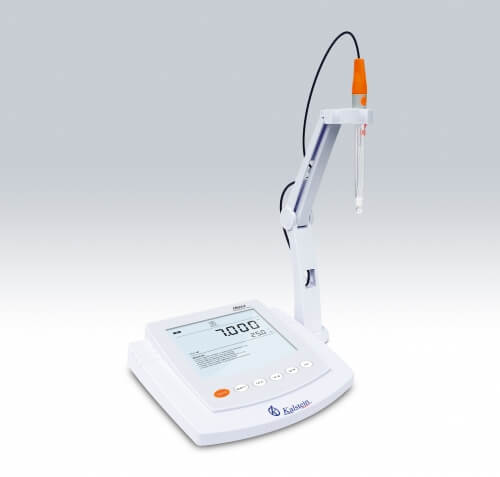
How to Implement Predictive Maintenance and Regular Calibration for Table Conductivity Controllers
In laboratory settings, the precision and reliability of measurements are paramount. Table conductivity controllers stand as critical tools for various applications, from water quality assessments to chemical analysis. As such, implementing predictive maintenance and regular calibration is essential to ensure these devices operate at peak performance. This article delves into the importance of these practices, the methodologies involved, and a comparative analysis of several table conductivity controller models.
Understanding Predictive Maintenance and Calibration
Predictive maintenance refers to the strategies employed to predict when equipment failure might occur, allowing for timely interventions before issues arise. This approach minimizes downtime, enhances productivity, and extends the lifespan of laboratory equipment. Regular calibration, on the other hand, involves adjusting the equipment to ensure its measurements are accurate and consistent over time.
In the context of table conductivity controllers, predictive maintenance involves monitoring the performance of each model, identifying potential failures through data analysis, and scheduling maintenance activities based on the operational status. Calibration ensures that measurements remain within specified tolerances, adhering to industry standards.
Importance of Predictive Maintenance and Regular Calibration
Regular calibration ensures compliance with applicable ISO standards, such as ISO 17025, which stipulates the requirements for testing and calibration laboratories. Through predictive maintenance, labs can significantly reduce operational costs associated with unexpected equipment failures, thus demonstrating a solid return on investment (ROI).
Moreover, regular maintenance and calibration are essential for compliance with safety standards, ensuring that devices function correctly and do not pose risks to laboratory personnel or the environment.
Key Components of Predictive Maintenance
1. **Condition Monitoring**: Utilize sensors and software to monitor the performance metrics of conductivity controllers in real-time.
2. **Data Analysis**: Analyze historical data to identify trends and predict potential failures.
3. **Maintenance Scheduling**: Set a maintenance schedule based on predictive analytics results, ensuring that downtime is minimized.
4. **Operator Training**: Provide training to laboratory personnel to recognize signs of wear or malfunction in conductivity controllers.
Calibration Intervals for Table Conductivity Controllers
Calibration intervals may vary based on equipment usage and environmental conditions. Generally, it is advisable to calibrate table conductivity controllers at least once a month, or more frequently if used in critical applications. Establishing a calibration schedule based on the manufacturer's specifications and lab requirements is crucial.
Each model in the table conductivity controller family offers unique calibration capabilities, which can influence the frequency of required calibrations. For instance, models with automatic calibration features, such as the YR01836-1, may allow for less frequent manual calibrations.
Model-Specific Features Supporting Predictive Maintenance and Calibration
Each model of table conductivity controller provides various features aimed at facilitating maintenance and calibration. The following table summarizes key specifications and benefits of selected models:
| Model | Calibration Points | Automatic Calibration | Best for |
|---|---|---|---|
| YR01836-1 | 1 to 5 points | Yes | Multi-parameter testing |
| YR01836 | 1 to 5 points | Yes | General laboratory use |
| YR01829-1 | 1 to 3 points | No | Routine testing |
| YR01829 | 1 to 3 points | No | Field applications |
| YR01828 | 1 to 3 points | Yes | Advanced research |
Common Mistakes and How to Avoid Them
Laboratory professionals often encounter challenges when implementing predictive maintenance and calibration. Common mistakes include:
- Neglecting Manufacturer Guidelines: Always adhere to the manufacturer's instructions regarding calibration frequency and procedures. Each model, like YR01836, comes with specific recommendations that should not be overlooked.
- Ignoring Environmental Factors: Laboratory conditions such as temperature and humidity can affect performance. Ensure that equipment is operated within specified conditions.
- Inadequate Training: Provide comprehensive training to all personnel on using and maintaining conductivity controllers effectively.
Comparison of Available Models
Understanding the differences between models can guide purchasing and operational decisions. Below is an overview of the table conductivity controllers discussed:
| Model | Price (USD) | Calibration Points | Best Use Case |
|---|---|---|---|
| YR01836-1 | 355.00 | 1 to 5 points | Laboratories requiring multi-parameter analysis |
| YR01836 | 199.00 | 1 to 5 points | General laboratory applications |
| YR01829-1 | 160.00 | 1 to 3 points | Daily testing operations |
| YR01829 | 235.00 | 1 to 3 points | Field testing |
| YR01828 | 232.00 | 1 to 3 points | Research and advanced applications |
Frequently Asked Questions
How often should I calibrate my table conductivity controller for accurate results?
Calibration of table conductivity controllers like the YR01836 should generally occur at least once a month. However, for critical applications, more frequent calibration may be necessary to ensure compliance with standards such as ISO 17025.
What are the benefits of predictive maintenance for table conductivity controllers?
Predictive maintenance allows for timely interventions, preventing unexpected failures and extending the lifespan of devices like the YR01829. This approach minimizes downtime and enhances overall laboratory productivity.
Which calibration standards should be followed for table conductivity controllers?
Calibration should adhere to recognized standards such as ISO 17025, which specifies requirements for the competence of testing and calibration laboratories. Models like YR01828 support compliance with these standards through their advanced features.
How do I choose the right table conductivity controller for my laboratory?
Consider factors such as the application type, calibration points, and automation features. For example, the YR01836-1 is suitable for multi-parameter testing with extensive calibration options.
What role does temperature compensation play in calibration?
Temperature compensation is crucial as it adjusts readings based on temperature variations, ensuring accuracy in measurements. Models like YR01829 provide automatic compensation to maintain precise conductivity readings.
How can I ensure the longevity of my conductivity controller?
Implementing a regular maintenance schedule and following calibration protocols are key. For instance, models like YR01836 offer features that aid in monitoring performance and identifying issues early.
Conclusion
Implementing predictive maintenance and regular calibration for table conductivity controllers is essential for maintaining accuracy and reliability in laboratory operations. By understanding the features and capabilities of various models, lab professionals can make informed decisions that enhance productivity and compliance with industry standards.
If you are looking for a fusion of innovation and quality, you have come to the right place. At Kalstein, we offer you the luxury of exploring our exclusive catalog of laboratory equipment. We manufacture every device to the highest standards of excellence. Our intuitive and seamless online purchasing channels are designed for your convenience, securing the most competitive prices. Hesitate no longer — we bring science to life, it is time to become part of our community.