How to Implement Predictive Maintenance and Periodic Calibration in Laboratory Equipment
In the realm of laboratory operations, ensuring the reliability and accuracy of equipment is paramount. With the increasing complexity of laboratory processes, the principles of predictive maintenance and periodic calibration have emerged as essential strategies. These methodologies not only prolong the lifespan of laboratory instruments but also uphold quality standards and enhance operational efficiency.
Understanding Predictive Maintenance and Periodic Calibration
Predictive maintenance involves the use of data analysis tools and techniques to detect anomalies in equipment operation and potential defects before they result in failure. It contrasts with traditional preventive maintenance by focusing on condition-based monitoring rather than scheduled servicing. On the other hand, periodic calibration ensures that instruments operate within specified accuracy limits, thereby guaranteeing reliable results in laboratory tasks.
Benefits of Predictive Maintenance and Periodic Calibration
Implementing these practices offers several benefits, including reduced downtime, lower maintenance costs, and enhanced compliance with regulatory standards, such as ISO/IEC 17025. Predictive maintenance minimizes unplanned equipment failures while periodic calibration ensures that results remain valid and reliable.
Models for Comparison: Laboratory Equipment
Comparison of Available Models
| Model | Calibration Frequency (Months) | Predictive Maintenance Features | Best For | Price (USD) |
|---|---|---|---|---|
| YR0237-0-1 | 12 | Condition monitoring, Data logging | General laboratory use | 437.00 |
| YR0237-1 | 12 | Condition monitoring, Data logging | Microbiology labs | 491.00 |
| YR0237-1-1 | 12 | Condition monitoring, Data logging | Research laboratories | 448.10 |
| YR03731-1 | 6 | Low operational force, Ergonomic design | Fluid handling applications | 13.00 |
| YR03731-2 | 6 | Low operational force, Ergonomic design | Fluid handling applications | 13.00 |
| YR03731-3 | 6 | Low operational force, Ergonomic design | Fluid handling applications | 13.00 |
Common Mistakes and How to Avoid Them
One common mistake in implementing predictive maintenance is neglecting the initial data collection phase, which is critical for establishing a reliable baseline. Additionally, failing to schedule regular calibration checks can lead to significant inaccuracies in measurements. To avoid these pitfalls, labs should invest in training personnel on best practices and maintain a rigorous schedule for both predictive maintenance and periodic calibration.
Best Practices for Predictive Maintenance
To effectively implement predictive maintenance, laboratories should consider the following strategies: 1) Invest in condition monitoring tools that can provide real-time data on equipment health, such as vibration analysis or thermal imaging. 2) Establish clear communication protocols for maintenance teams to report potential issues. 3) Regularly review equipment performance data to identify trends and adjust maintenance schedules accordingly.
Periodic Calibration Practices
Calibration should be performed according to a predetermined schedule based on manufacturer recommendations and regulatory standards. Regular documentation of calibration results is essential for compliance. Laboratories should also ensure that calibration equipment is traceable to national or international standards, ensuring accuracy and reliability in measurements.
How Predictive Maintenance Affects Laboratory Efficiency
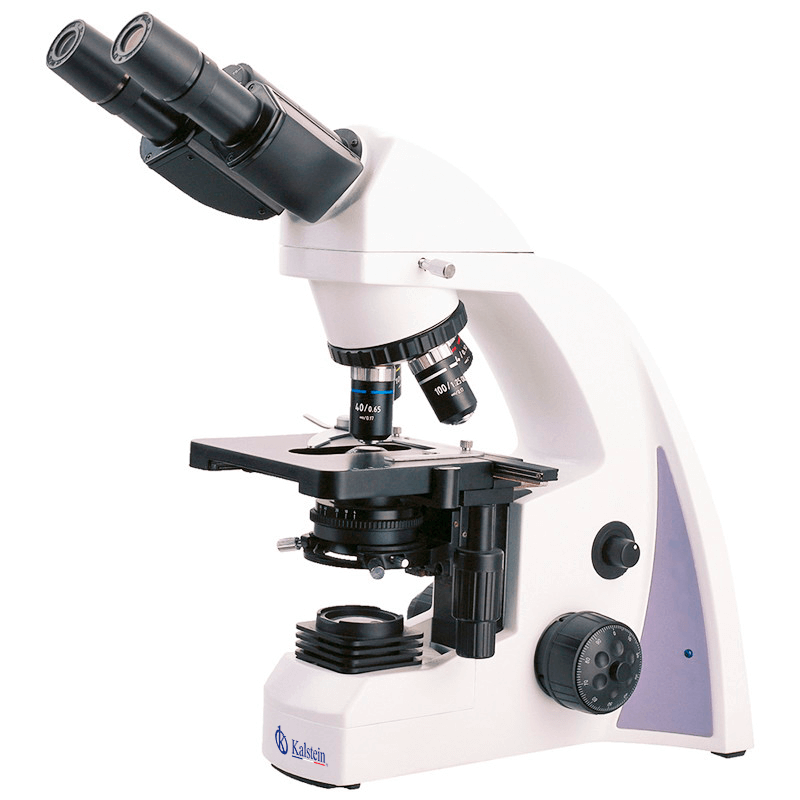
Effective predictive maintenance can significantly enhance laboratory efficiency by reducing machine downtime and optimizing workflow. For instance, utilizing the Laboratory Microscope YR0237-1, labs can monitor its performance regularly to preemptively address issues, thereby avoiding interruptions in critical research processes. This results in a more streamlined operation and maximizes the use of resources.
Frequently Asked Questions
How does predictive maintenance improve equipment reliability in laboratories?
Predictive maintenance enhances equipment reliability by utilizing data analytics to identify potential failures before they occur. For instance, with models like YR0237-0-1, laboratories can monitor performance metrics that alert users to necessary maintenance actions, leading to fewer unexpected breakdowns.
What is the recommended calibration frequency for laboratory instruments?
The recommended calibration frequency varies by instrument type. Generally, instruments should be calibrated every 6 to 12 months. For example, the Laboratory Microscope YR0237-1 requires calibration every 12 months to ensure precision and compliance with ISO standards.
Which laboratory equipment is best suited for predictive maintenance?
Laboratory equipment that involves complex operations and high usage rates benefits most from predictive maintenance. For example, the Laboratory Microscope YR0237-1 is ideal for predictive maintenance due to its advanced monitoring capabilities, enabling labs to maintain high accuracy without unexpected downtime.
How can calibration affect research outcomes in laboratories?
Calibration affects research outcomes directly by ensuring that measurements are accurate and reproducible. For example, if the Fluid Handling Pipettes YR03731-1 are not calibrated regularly, it can lead to inaccurate results that compromise research integrity.
What are the costs associated with improper calibration in labs?
Improper calibration can lead to costly errors, including wasted materials and time. The financial impact can escalate quickly, especially with high-value samples. Investing in models like YR0237-1-1 can mitigate these risks by ensuring regular calibration and reliable results.
How does ISO 17025 compliance relate to periodic calibration?
ISO 17025 requires laboratories to maintain calibration standards to ensure accuracy and reliability. Regular calibration of equipment, such as YR0237-0-1, is crucial for meeting these compliance standards and ensuring the validity of test results.
What tools can facilitate predictive maintenance in laboratory settings?
Tools for predictive maintenance include condition monitoring systems and software that analyze operational data. For instance, using real-time monitoring tools with the Laboratory Microscope YR0237-1 can provide insight into performance and alert for maintenance needs.
How can labs integrate predictive maintenance into their workflow?
Labs can integrate predictive maintenance by establishing clear protocols for data monitoring and analysis. For example, using models like YR03731-3, labs can track operational data and adjust maintenance schedules proactively based on equipment performance.
If you are looking for a fusion of innovation and quality, you have come to the right place. At Kalstein, we offer you the luxury of exploring our exclusive catalog of laboratory equipment. We manufacture every device to the highest standards of excellence. Our intuitive and seamless online purchasing channels are designed for your convenience, securing the most competitive prices. Hesitate no longer — we bring science to life, it is time to become part of our community.