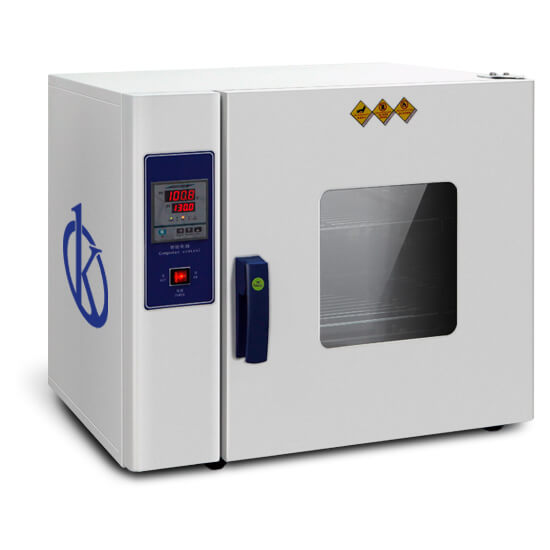
How to Implement Predictive Maintenance and Periodic Calibration for Drying Ovens
In laboratory environments, maintaining the integrity of equipment like drying ovens is paramount. The need for predictive maintenance and periodic calibration not only enhances operational efficiency but also ensures compliance with industry standards. This guide will delve into the specifics of implementing these practices effectively for various models of drying ovens, making it essential for laboratory professionals.
Understanding Predictive Maintenance and Calibration
Predictive maintenance involves monitoring the condition of drying ovens to predict failures before they occur. This proactive approach not only reduces downtime but also minimizes repair costs. On the other hand, periodic calibration ensures that the ovens function within specified tolerances, crucial for applications that require high precision.
Key Benefits of Predictive Maintenance and Calibration
Utilizing predictive maintenance strategies can significantly extend the lifespan of drying ovens while optimizing performance. Calibration, on the other hand, ensures accuracy, directly impacting the quality of results in laboratory processes. Both practices lead to enhanced reliability and operational efficiency.
Comparison of Available Models
| Model | Temperature Range (°C) | Precision (°C) | Power (kW) | Best For |
|---|---|---|---|---|
| YR05244 | RT + 5 to 250 | ±0.1 | 1 | High uniformity requirements |
| YR05245 | RT + 5 to 250 | ±0.1 | 1 | Research laboratories |
| YR05246 | RT + 5 to 250 | ±0.1 | 1 | Laboratory testing |
| YR05247 | RT + 5 to 250 | ±0.1 | 1 | Industrial applications |
| YR05248-A | RT + 5 to 250 | ±1 | 1 | Routine lab use |
| YR05249-A | RT + 5 to 250 | ±1 | 1 | Cost-effective lab applications |
Common Mistakes and How to Avoid Them
Common pitfalls in maintaining drying ovens include neglecting routine check-ups and overlooking calibration schedules. It's crucial to establish a maintenance calendar and adhere to it strictly to avoid unexpected breakdowns.
Establishing a Predictive Maintenance Strategy
Implementing predictive maintenance involves several steps: monitoring temperature stability, humidity levels, and the internal environment of the drying ovens. Using a combination of sensors and software, laboratories can track these metrics and plan for maintenance before issues arise. The YR05244 model, for instance, features intelligent PID control, making it easier to maintain consistent performance and predict failures.
Creating a Calibration Schedule
Calibration should be performed at regular intervals based on usage frequency and specific application needs. A general guideline suggests calibrating every six months for ovens that operate continuously. The YR05245 model, with its precise temperature control, ensures that recalibration leads to minimal drift, thus maintaining compliance with laboratory standards.
Factors Influencing Calibration Needs
Calibration needs can be influenced by several factors, including environmental conditions, the frequency of use, and the criticality of the applications performed in the ovens. For instance, frequent use in high-temperature experiments may lead to faster drift in temperature accuracy.
Implementing Predictive Tools and Technologies
Utilizing software solutions that integrate with the drying ovens allows for real-time monitoring and analytics. This approach not only facilitates predictive maintenance but also assists in maintenance record-keeping, which is essential for compliance. The YR05246 model’s RS 485 computer interface is an excellent feature for integrating such technologies.
Training Staff for Maintenance and Calibration
Proper training of laboratory personnel is vital for the successful implementation of maintenance and calibration. Staff should be educated on the operational principles of the drying ovens and trained on the use of monitoring and calibration tools. Regular workshops can help reinforce these practices.
Frequently Asked Questions
What is the recommended calibration interval for drying ovens in laboratories?
The recommended calibration interval for drying ovens, like the YR05244, is typically every six months, depending on usage frequency and application requirements.
How can predictive maintenance improve the performance of drying ovens?
Predictive maintenance can enhance performance by allowing for timely interventions before failure occurs, thereby minimizing downtime and maintenance costs for models like YR05245.
What are the consequences of neglecting periodic calibration of drying ovens?
Neglecting periodic calibration can lead to inaccurate temperature readings, compromising experimental results and regulatory compliance, especially in precise models like YR05246.
How do I choose a suitable drying oven model based on calibration needs?
Choosing a suitable drying oven model requires assessing your calibration needs, with options like the YR05247 offering advanced features for maintaining high accuracy over time.
What role does temperature precision play in drying oven calibration?
Temperature precision, such as the ±0.1°C of the YR05248-A model, is crucial for ensuring repeatable results in sensitive laboratory applications requiring stringent calibration standards.
How can I integrate drying ovens with existing laboratory monitoring systems?
Integration can be achieved through features like the RS 485 interface in the YR05246 model, allowing seamless data transfer and monitoring capabilities with existing systems.
What maintenance strategies can extend the life of drying ovens?
Implementing regular maintenance checks, monitoring performance metrics, and adhering to calibration schedules can significantly extend the life of drying ovens like the YR05249-A.
What are the best practices for conducting calibration of drying ovens?
Best practices include using certified calibration standards, documenting results meticulously, and ensuring that calibration is conducted under controlled conditions to ensure accuracy.
If you are looking for a fusion of innovation and quality, you have come to the right place. At Kalstein, we offer you the luxury of exploring our exclusive catalog of laboratory equipment. We manufacture every device to the highest standards of excellence. Our intuitive and seamless online purchasing channels are designed for your convenience, securing the most competitive prices. Hesitate no longer — we bring science to life, it is time to become part of our community.