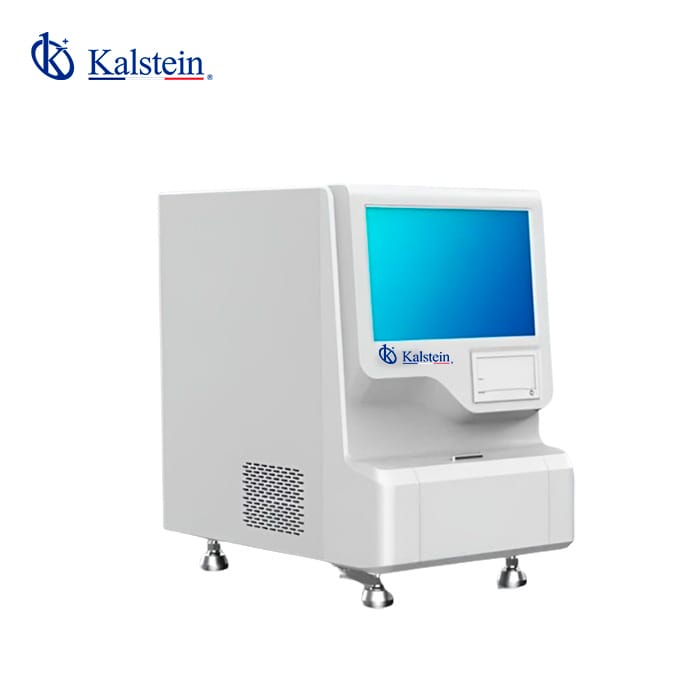
How to Ensure Predictive Maintenance and Periodic Calibration in Chemiluminescence Immunoassay Analyzers?
Chemiluminescence immunoassay analyzers are pivotal in clinical diagnostics, providing rapid and accurate results for a variety of tests. To maintain their performance, it is essential to implement predictive maintenance and periodic calibration strategies. This article will delve into how these approaches can optimize the functionality of analyzers, enhance accuracy, and prolong equipment life.
Understanding Predictive Maintenance in Analyzers
Predictive maintenance refers to techniques that help determine the condition of equipment in order to predict when maintenance should be performed. This proactive approach reduces downtime and maintenance costs while optimizing the analyzer's operational efficiency. Chemiluminescence immunoassay analyzers, such as the Full-Automatic Chemiluminescent Immunoassay Analyzer YR06387, benefit significantly from predictive maintenance as it allows for timely interventions before failures occur.
Key Components of a Predictive Maintenance Strategy
Implementing predictive maintenance involves several key components:
- Data Monitoring: Continuous monitoring of performance metrics, such as reagent consumption and test result accuracy, helps in identifying trends indicative of potential issues.
- Condition-Based Maintenance: Utilizing sensors and software to gather data allows for determining the right moments for maintenance actions, minimizing unnecessary disruptions.
- Training and Knowledge: Staff should be trained to recognize early warning signs of equipment failure, ensuring that they can act quickly when issues arise.
The Importance of Periodic Calibration
Periodic calibration is critical to ensure that the analyzers produce reliable results. Calibration verifies that the equipment is functioning within specified limits and is essential for compliance with regulatory standards.
Calibration Standards and Protocols
Specific protocols should be established for the calibration of chemiluminescence immunoassay analyzers. The recommended calibration intervals often range from weekly to quarterly depending on usage and manufacturer guidelines. For instance, the Immunoassay Analyzer YR06389 has a calibration protocol that aligns with industry standards, ensuring accuracy in test results.
Comparison of Available Models
| Model | Calibration Schedule | Data Monitoring Features | Best for |
|---|---|---|---|
| YR06387 | Quarterly | Real-time data storage for 100,000 entries | High-throughput clinical environments |
| YR06388 | Monthly | Independent dual camera system monitoring | Rapid testing scenarios |
| YR06389 | Weekly | Integrated touch screen for data access | Emergency outpatient inspections |
| YR06390 | Monthly | Advanced operational analytics | High-speed diagnostics |
| YR06710 | Weekly | Compact design for limited spaces | Emergency department use |
Common Mistakes and How to Avoid Them
When implementing predictive maintenance and calibration for chemiluminescence immunoassay analyzers, labs often encounter several pitfalls:
- Lack of Documentation: It is vital to maintain comprehensive records of all maintenance and calibration activities. This documentation supports traceability and compliance.
- Infrequent Training: Continuous training for laboratory personnel is essential to keep them updated on the latest calibration techniques and maintenance protocols.
- Ignoring Manufacturer Guidelines: Always adhere to the manufacturer's recommendations for calibration schedules and maintenance practices to ensure optimal performance.
Implementing a Calibration Schedule
A well-structured calibration schedule can greatly enhance the accuracy of chemiluminescence immunoassay analyzers. Establishing a routine that aligns with operating procedures, such as using the Immunoassay Analyzer YR06390 with its recommended monthly calibration, ensures consistent accuracy and reliability.
Frequently Asked Questions
How often should I calibrate my chemiluminescence immunoassay analyzer?
The calibration frequency for chemiluminescence immunoassay analyzers typically ranges from weekly to quarterly, depending on the model. For example, the Immunoassay Analyzer YR06389 is recommended to be calibrated weekly to ensure precision in test results.
What are the benefits of predictive maintenance for lab analyzers?
Predictive maintenance helps in minimizing unexpected breakdowns and extends the lifespan of lab analyzers. For instance, utilizing predictive maintenance techniques with the Full-Automatic Chemiluminescent Immunoassay Analyzer YR06387 can lead to significant operational efficiency and reduced downtime.
What calibration standards should be followed for immunoassay analyzers?
Chemiluminescence immunoassay analyzers should adhere to industry calibration standards, which include regular checks against traceable standards. The Chemiluminescence Analyzer YR06710, for example, incorporates an internal two-point calibration curve for accuracy.
Which predictive maintenance tools are best for chemiluminescence analyzers?
Tools that provide real-time data monitoring, such as those embedded in the YR06388, are essential for effective predictive maintenance, enabling timely interventions before issues arise.
How can I ensure compliance with calibration regulations?
To ensure compliance, maintain accurate records of calibration schedules and results. Using models like the YR06390 can help as they feature built-in data management systems for tracking compliance effectively.
What is the role of training in maintaining analyzer performance?
Continuous training for laboratory staff is crucial to recognize performance issues and implement maintenance strategies. This ensures proper usage and maintenance of analyzers like the Immunoassay Analyzer YR06389.
What should I include in a laboratory equipment maintenance plan?
A maintenance plan should include scheduled calibration, documentation of maintenance activities, staff training sessions, and adherence to manufacturer guidelines to optimize performance and compliance.
How does predictive maintenance impact laboratory efficiency?
By reducing unexpected downtime and improving reliability, predictive maintenance enhances laboratory efficiency. For example, implementing this with the YR06387 can significantly streamline workflow in clinical settings.
If you are looking for a fusion of innovation and quality, you have come to the right place. At Kalstein, we offer you the luxury of exploring our exclusive catalog of laboratory equipment. We manufacture every device to the highest standards of excellence. Our intuitive and seamless online purchasing channels are designed for your convenience, securing the most competitive prices. Hesitate no longer — we bring science to life, it is time to become part of our community.