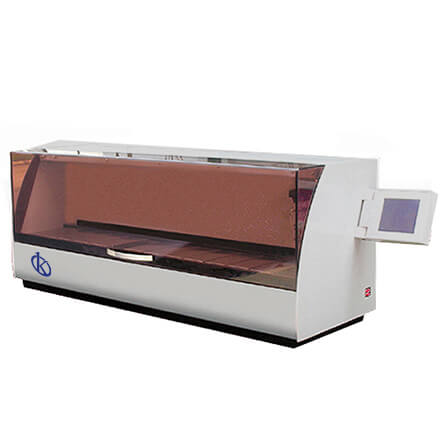
Essential Practices for Predictive Maintenance and Periodic Calibration of Automatic Slide Stainers
Automatic slide stainers are crucial in pathological anatomy labs for efficient processing of histological slides. The implementation of predictive maintenance and periodic calibration is essential to ensure optimal performance, minimize downtime, and extend the lifespan of these devices. This guide explores best practices, technical specifications of various models, and key strategies for maintaining these essential laboratory instruments.
Understanding Predictive Maintenance and Periodic Calibration
Predictive maintenance involves monitoring the performance and condition of equipment through various indicators to predict when maintenance should be performed. This approach contrasts with traditional maintenance methods, focusing on scheduling maintenance based on time intervals rather than actual equipment condition. Periodic calibration ensures that the staining processes deliver consistent results, aligning with the standards set by regulatory bodies. Regular calibration is vital for achieving reliable data in pathological anatomy.
Comparison of Available Models
| Model | Processing Capacity | Calibration Features | Best For |
|---|---|---|---|
| YR435 | 72 slides at once | Adjustable processing time | Large labs needing efficiency |
| YR435-1 | 400 slides/hour | Integrated color touch screen | High-throughput environments |
| YR436-1 | 15 tanks, adjustable treatment time | ± 1% temperature control | Compact lab spaces |
Key Aspects of Predictive Maintenance
Implementing predictive maintenance for automatic slide stainers is paramount for enhancing operational efficiency. Key aspects include regular monitoring of the machine's performance metrics, such as processing times and reagent usage. Employing data analytics tools can help in forecasting potential failures before they occur, thereby reducing unexpected downtime and repair costs. This proactive approach aids in maintaining the equipment in optimal working condition.
Calibration Intervals and Standards
Calibration intervals for automatic slide stainers should be determined based on manufacturer recommendations and laboratory standards. Typically, regular calibration is recommended every six months to a year, depending on usage. Ensuring compliance with ISO/IEC standards is essential for laboratories aiming for accreditation. The YR435, for instance, provides adjustable processing times, which can be crucial in ensuring that every staining procedure adheres to the required parameters.
Documenting Maintenance and Calibration Activities
Thorough documentation of maintenance and calibration activities is critical for quality assurance. Each session should be logged, detailing the date, findings, actions taken, and any adjustments made. This not only ensures traceability but also aids in preparing for audits and inspections. Effective documentation helps maintain compliance with industry standards, including ISO 17025.
Common Mistakes and How to Avoid Them
One common mistake in maintaining automatic slide stainers is neglecting routine checks. Laboratories may overlook the significance of minor repairs, assuming they can wait. This approach often leads to more severe issues down the line. Another mistake is not keeping accurate records of calibration results, which can result in non-compliance with standards. Establishing a maintenance schedule and adhering to it diligently can prevent these pitfalls.
Model-Specific Calibration Recommendations
Each model of automatic slide stainer has unique calibration and maintenance needs. The YR435, with its 14 processing cups, may require more frequent checks due to its extensive use in high-volume labs. In contrast, the YR436-1, designed for compact spaces, may be simpler to maintain but still needs regular calibration to ensure temperature accuracy. Understanding these differences is crucial for effective maintenance.
Frequently Asked Questions
How often should calibration be performed on the YR435 automatic slide stainer?
Calibration of the YR435 automatic slide stainer should typically be performed every six months or after significant repairs or changes in processing protocols to ensure compliance with laboratory standards.
What are the benefits of predictive maintenance for automatic slide stainers?
Predictive maintenance for automatic slide stainers helps in reducing unexpected downtime, optimizing performance, and extending equipment lifespan, leading to cost savings and improved lab efficiency.
Which calibration standards apply to automatic slide stainers?
Automatic slide stainers are often calibrated following ISO/IEC standards. Regular calibration ensures equipment delivers reliable results, especially in laboratories meeting ISO 17025 accreditation requirements.
How does the YR435-1 improve laboratory efficiency?
The YR435-1 can process up to 400 slides per hour, significantly enhancing throughput and efficiency in high-demand laboratory environments, making it ideal for busy labs.
What maintenance schedule should be followed for the YR436-1 model?
The YR436-1 model should follow a maintenance schedule of monthly performance checks and biannual calibration to ensure consistent operation and adherence to quality standards.
How can I ensure compliance with ISO 17025 using slide stainers?
To ensure compliance with ISO 17025, maintain detailed records of calibration, implement a regular maintenance schedule, and ensure all staff are trained on proper operation and maintenance procedures.
What indicators signal that my automatic slide stainer needs maintenance?
Indicators such as inconsistent staining results, unusual noises during operation, and longer processing times can signal that maintenance is required for automatic slide stainers like the YR435 and YR436-1.
How does predictive maintenance reduce costs in laboratory settings?
Predictive maintenance reduces costs by preventing major failures through timely interventions, thus lowering repair costs and minimizing operational downtime in laboratories using automatic slide stainers.
If you are looking for a fusion of innovation and quality, you have come to the right place. At Kalstein, we offer you the luxury of exploring our exclusive catalog of laboratory equipment. We manufacture every device to the highest standards of excellence. Our intuitive and seamless online purchasing channels are designed for your convenience, securing the most competitive prices. Hesitate no longer — we bring science to life, it is time to become part of our community.