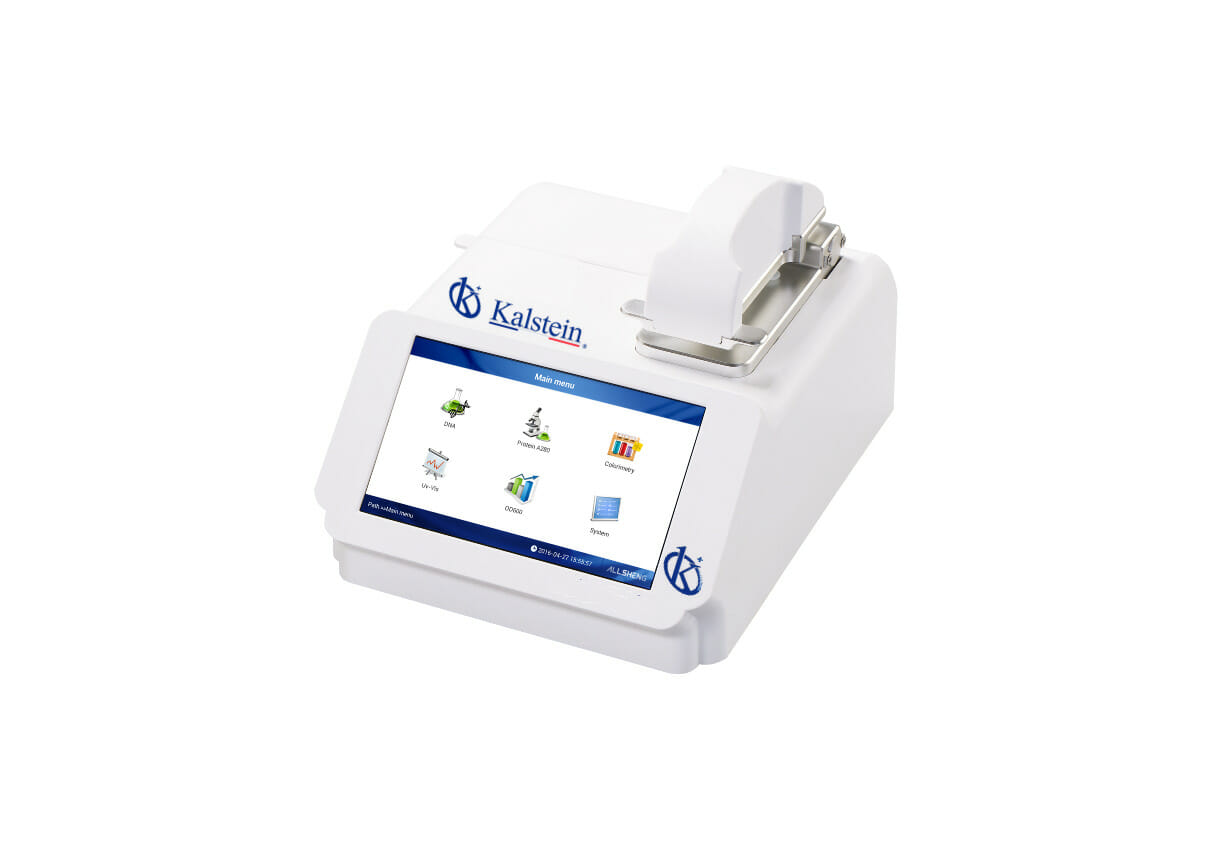
How Predictive Maintenance Enhances Performance in Micro-Spectrophotometers
In the realm of laboratory equipment, micro-spectrophotometers play a crucial role in accurately measuring the concentration and purity of nucleic acids and proteins. As laboratories demand more efficiency and reliability, predictive maintenance strategies have emerged as pivotal in enhancing the performance of these instruments. This article delves into predictive maintenance and periodic calibration recommendations for micro-spectrophotometers, aiming to equip laboratory professionals with the knowledge to optimize their equipment usage.
Understanding Predictive Maintenance in Micro-Spectrophotometers
Predictive maintenance is a proactive approach that involves monitoring the condition of equipment to predict when maintenance should be performed. This method contrasts with traditional preventive maintenance, which is based on scheduled time intervals. In micro-spectrophotometers, predictive maintenance can lead to improved accuracy in measurements and extended equipment life. By utilizing data-driven insights, technicians can identify potential failures before they happen, ensuring that instruments like the Micro Spectrophotometer YR06033-1 and YR06034 remain operational and reliable.
The Importance of Calibration
Calibration ensures that micro-spectrophotometers provide accurate measurements, a critical requirement in laboratory settings. Regular calibration of models such as the YR06035 and YR06034 is necessary to maintain compliance with industry standards. Calibration intervals depend on usage frequency, but a general rule of thumb suggests that high-frequency use may require more frequent calibration checks. Establishing a systematic calibration schedule helps in maintaining the instrument's precision and reliability.
Predictive Maintenance Strategies for Micro-Spectrophotometers
Implementing predictive maintenance involves several strategies tailored to the unique characteristics of micro-spectrophotometers:
- Data Monitoring: Continuously monitor the performance metrics of the micro-spectrophotometers, such as absorbance accuracy and wavelength precision, to identify anomalies early.
- Sensor Integration: Integrate sensors that capture real-time data on operational parameters, helping to foresee potential malfunctions.
- Regular Software Updates: Keep the instrument's software updated to ensure compatibility with new maintenance protocols and troubleshooting techniques.
Calibration Frequency and Best Practices
The frequency of calibration can vary based on factors such as instrument usage, environmental conditions, and the specific application. For micro-spectrophotometers, a typical calibration schedule may look as follows:
| Model | Calibration Frequency | Notes |
|---|---|---|
| YR06033-1 | Monthly | Critical for nucleic acid measurements; high usage environments may necessitate more frequent checks. |
| YR06034 | Quarterly | Routine checks recommended, especially for protein analysis. |
| YR06035 | Bi-Monthly | Best for high-precision applications; consider environmental factors. |
Comparison of Available Models
| Model Code | Wavelength Range | Minimum Sample Size | Price (USD) | Best For |
|---|---|---|---|---|
| YR06033-1 | 200-800 nm | 0.5-2.0 μl | 5040.00 | Multi-sample nucleic acid analysis |
| YR06034 | 260 nm, 280 nm | 1-2.0 μl | 2520.00 | Basic nucleic acid concentration |
| YR06035 | 200-800 nm | 0.5-2.0 μl | 6090.00 | Advanced cellular concentration measurement |
Common Mistakes and How to Avoid Them
Laboratory professionals often encounter pitfalls when implementing maintenance and calibration strategies for micro-spectrophotometers. Here are some common mistakes and recommendations for avoidance:
- Inconsistent Calibration: Regularly schedule calibration based on usage. Avoid sporadic checks, as they can lead to inconsistent results.
- Ignoring Software Updates: Keep the instrument's software updated. New updates may include crucial maintenance protocols that enhance the instrument's performance.
- Overlooking Data Analysis: Utilize collected performance data to inform maintenance schedules and improve overall efficiency.
Frequently Asked Questions
What are the recommended calibration intervals for micro-spectrophotometers?
Calibration intervals for micro-spectrophotometers like the YR06033-1 typically range from monthly to quarterly, depending on usage. Regular calibration ensures accuracy and compliance with laboratory standards.
How does predictive maintenance improve micro-spectrophotometer accuracy?
Predictive maintenance enhances accuracy by monitoring performance metrics in real-time. Models such as the YR06034 can benefit from data-driven insights that prevent potential failures before they impact measurements.
What factors influence the calibration frequency of micro-spectrophotometers?
Calibration frequency is influenced by usage intensity, environmental conditions, and specific applications. For instance, the YR06035 may require more regular checks in high-precision settings.
Can predictive maintenance extend the life of micro-spectrophotometers?
Yes, by identifying potential failures early, predictive maintenance can significantly extend the life of instruments like the YR06033-1, ensuring they function optimally for longer periods.
Which model is best for basic nucleic acid concentration measurements?
The YR06034 is ideal for basic nucleic acid concentration measurements, requiring only 1-2 μl of sample and offering rapid results with high reliability.
What data should be monitored for effective predictive maintenance in micro-spectrophotometers?
Effective predictive maintenance involves monitoring absorbance accuracy, wavelength precision, and operational metrics. Instruments like the YR06035 provide essential data for timely maintenance actions.
How can I ensure compliance with industry standards in my micro-spectrophotometer?
Regular calibration and adherence to a predictive maintenance schedule are essential for compliance. Following guidelines specific to models such as the YR06033-1 helps maintain the required accuracy.
What is the impact of environment on the calibration of micro-spectrophotometers?
The environment can significantly affect calibration. Factors like temperature and humidity may influence measurements, necessitating more frequent calibration checks for models such as YR06034.
If you are looking for a fusion of innovation and quality, you have come to the right place. At Kalstein, we offer you the luxury of exploring our exclusive catalog of laboratory equipment. We manufacture every device to the highest standards of excellence. Our intuitive and seamless online purchasing channels are designed for your convenience, securing the most competitive prices. Hesitate no longer — we bring science to life, it is time to become part of our community.