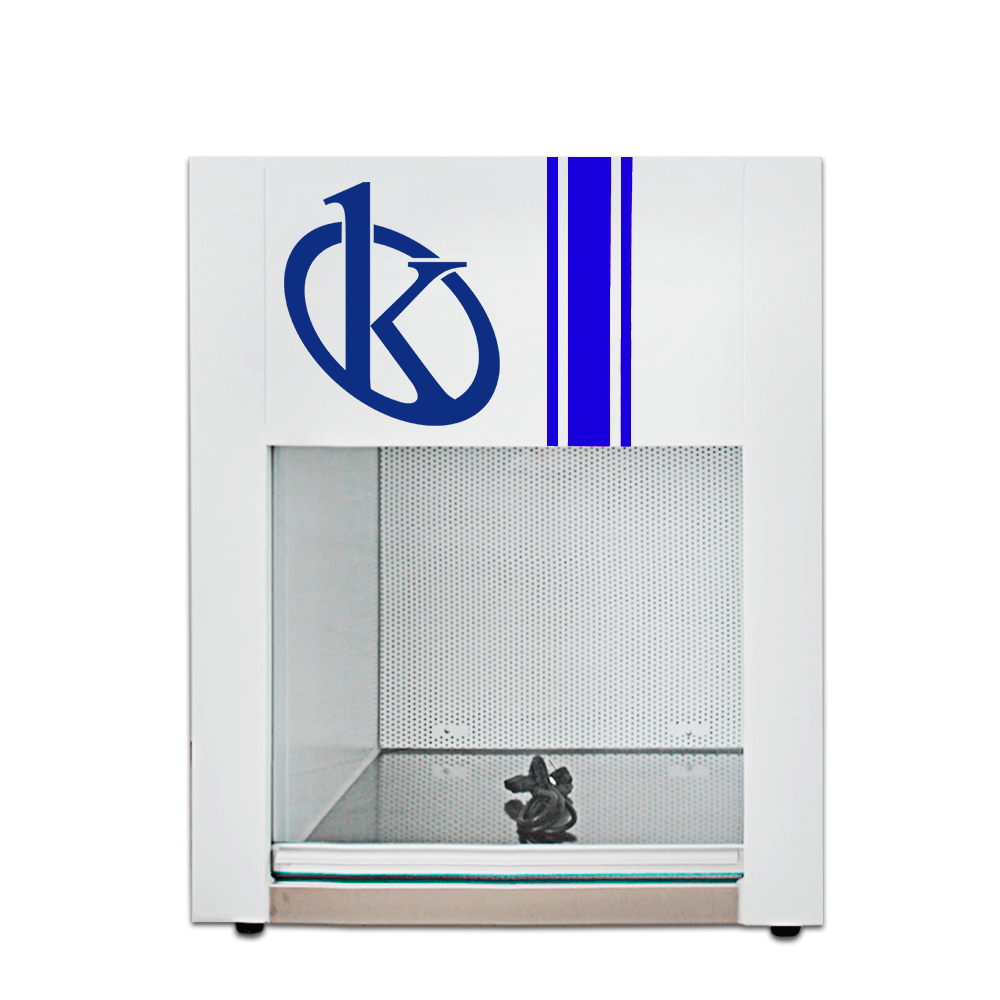
How to Implement Predictive Maintenance and Periodic Calibration for Horizontal Laminar Flow Clean Benches
Maintaining high standards of cleanliness and operational efficiency in laboratory settings is paramount, particularly in environments that utilize Horizontal Laminar Flow Clean Benches. Implementing predictive maintenance and periodic calibration is crucial for optimizing performance and ensuring compliance with industry standards. This article delves into the best practices for maintaining these clean benches, focusing on the necessary protocols, benefits, and specific models available, including their technical specifications.
The Importance of Predictive Maintenance in Clean Benches
Predictive maintenance refers to techniques used to determine the condition of in-service equipment to estimate when maintenance should be performed. This approach is vital for Horizontal Laminar Flow Clean Benches, as it helps prevent unexpected failures and costly downtime. By employing predictive maintenance strategies, laboratory managers can enhance operational efficiency and extend the lifespan of their equipment.
Periodic Calibration: A Key to Compliance
Periodic calibration ensures that laboratory equipment operates within specified parameters, thereby maintaining the integrity of experimental results. For Horizontal Laminar Flow Clean Benches, regular calibration of airflow rates, particulate counts, and UV light intensity is essential. Compliance with standards such as ISO 14644, which defines cleanroom performance, is critical in ensuring that laboratories meet regulatory requirements.
Comparison of Available Models
| Model | Class of Cleanliness | Airflow Speed (m/s) | Noise Level (dB) | Price (USD) |
|---|---|---|---|---|
| YR05723 | Class 100 | 0.25 - 0.45 | ≤62 | 240.00 |
| YR05724 | Class 100 | 0.25 - 0.45 | ≤62 | 300.00 |
| YR05726 | Class 100 | 0.25 - 0.45 | ≤62 | 420.00 |
| YR05727 | Class 100 | 0.25 - 0.45 | ≤62 | 650.00 |
| YR05728 | Class 100 | 0.25 - 0.45 | ≤62 | 660.00 |
| YR05729 | Class 100 | 0.25 - 0.45 | ≤62 | 1020.00 |
Common Mistakes and How to Avoid Them
Laboratory professionals often make common mistakes when implementing maintenance and calibration for clean benches. One typical error is neglecting the manufacturer's guidelines for maintenance schedules. Each model, such as YR05724, has specific recommendations for routine checks, including filter replacements and airflow verification. Another mistake is underestimating the importance of document traceability in calibration. Proper documentation ensures that the calibration process meets industry standards and can be audited effectively.
Effective Strategies for Predictive Maintenance
Implementing a successful predictive maintenance program for Horizontal Laminar Flow Clean Benches involves several strategies. First, developing a comprehensive maintenance schedule that includes regular inspections and performance assessments is vital. Utilizing condition monitoring tools can help detect early signs of wear, allowing for timely interventions. For example, using vibration analysis, one can monitor the bench's motor performance to prevent unexpected failures.
The Role of Calibration in Ensuring Accuracy
Calibration plays a critical role in ensuring that Horizontal Laminar Flow Clean Benches operate within specified parameters. Establishing a routine calibration schedule that aligns with industry standards is recommended. Utilizing accredited calibration services ensures that the equipment meets regulatory requirements. For instance, YR05726's airflow must be calibrated regularly to maintain compliance with ISO 14644 standards.
Benefits of Regular Maintenance and Calibration
Regular maintenance and calibration of Horizontal Laminar Flow Clean Benches yield numerous benefits. These practices reduce the risk of equipment failure, ensuring continuous operation and minimizing downtime. Additionally, they help maintain compliance with regulatory standards, thereby avoiding potential fines. Establishing a culture of quality assurance within the laboratory fosters trust among stakeholders and enhances overall productivity.
Factors Influencing Maintenance and Calibration Requirements
Several factors influence the maintenance and calibration requirements for Horizontal Laminar Flow Clean Benches. Environmental conditions, such as humidity and temperature fluctuations, can impact the performance of the equipment. Additionally, the frequency of use plays a significant role; benches used in high-traffic laboratories may require more frequent maintenance. Understanding these factors helps laboratory managers develop tailored maintenance schedules for each model, such as the YR05727.
Frequently Asked Questions
What are the predictive maintenance strategies for Horizontal Laminar Flow Clean Benches?
Effective predictive maintenance strategies for Horizontal Laminar Flow Clean Benches include regular inspections, performance assessments, and utilizing condition monitoring tools. For instance, YR05729 can benefit from vibration analysis to predict potential motor failures, improving operational efficiency.
How often should I calibrate my Horizontal Laminar Flow Clean Bench for compliance?
Calibration frequency for a Horizontal Laminar Flow Clean Bench, such as YR05724, should align with the manufacturer's guidelines and industry standards, typically every 6 to 12 months, to ensure compliance with ISO 14644.
What are the common mistakes in maintaining Horizontal Laminar Flow Clean Benches?
Common mistakes include neglecting maintenance schedules and underestimating the importance of traceable documentation for calibration. Following the guidelines for models like YR05726 can help avoid these errors and enhance performance.
How does periodic calibration improve lab efficiency?
Periodic calibration improves lab efficiency by ensuring that equipment operates within specified parameters, reducing the likelihood of failures. For example, calibrating airflow in YR05727 helps maintain optimal performance, ensuring continuous operation.
What is the role of predictive maintenance in laboratory equipment?
Predictive maintenance plays a crucial role in laboratory equipment by preventing unexpected failures and reducing downtime. For instance, implementing predictive strategies for YR05723 can enhance its operational lifespan and reliability.
What benefits can I expect from investing in regular calibration for lab equipment?
Investing in regular calibration provides benefits such as improved compliance with regulatory standards, reduced risk of equipment failure, and enhanced trust in lab results. Models like YR05728 highlight the importance of maintaining these standards.
How can environmental factors affect the maintenance of clean benches?
Environmental factors, such as humidity and temperature, can significantly affect the maintenance of clean benches like YR05726. These conditions can impact performance, necessitating more frequent inspections and calibrations to maintain compliance.
What is the ideal maintenance schedule for Horizontal Laminar Flow Clean Benches?
The ideal maintenance schedule for Horizontal Laminar Flow Clean Benches, including models like YR05729, typically involves routine inspections every 1 to 3 months and comprehensive calibration annually to ensure optimal performance and compliance.
If you are looking for a fusion of innovation and quality, you have come to the right place. At Kalstein, we offer you the luxury of exploring our exclusive catalog of laboratory equipment. We manufacture every device to the highest standards of excellence. Our intuitive and seamless online purchasing channels are designed for your convenience, securing the most competitive prices. Hesitate no longer — we bring science to life, it is time to become part of our community.