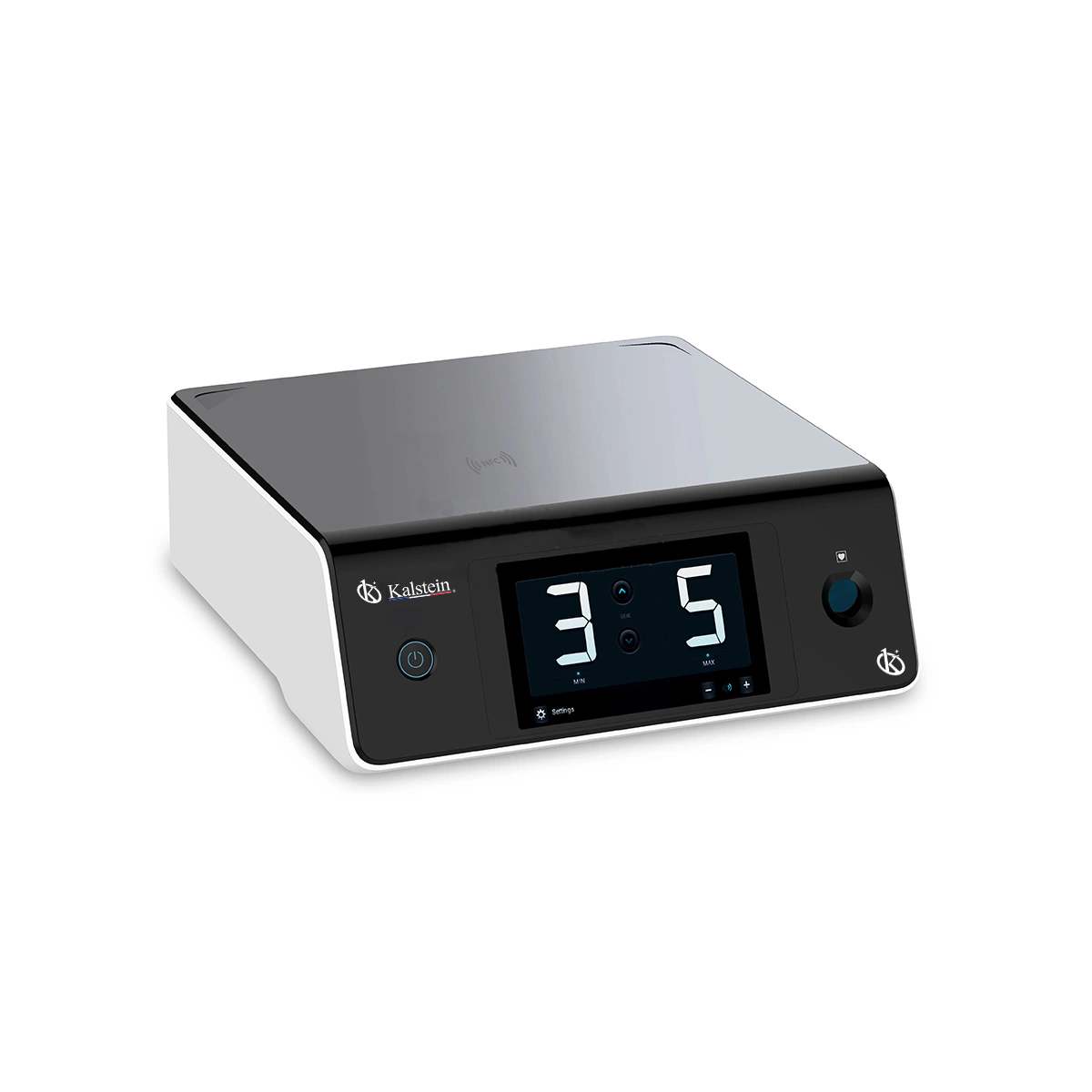
How to Ensure Predictive Maintenance and Recommended Calibration for Veterinary Electrosurgical Units?
The veterinary field increasingly relies on advanced surgical techniques, where veterinary electrosurgical units play a pivotal role. Their efficacy depends on proper predictive maintenance and calibration practices, ensuring that equipment operates at peak performance while minimizing downtime and risk during surgical procedures. This article will delve into the necessity of these practices, providing an in-depth comparison of multiple models available in the market, common mistakes to avoid, and answering frequently asked questions pertinent to veterinary professionals.
Understanding Predictive Maintenance and Calibration in Veterinary Electrosurgical Units
Predictive maintenance is a proactive strategy that involves regularly assessing the condition of veterinary electrosurgical units to forecast potential failures before they occur. This approach not only extends equipment life but also ensures consistent operational efficiency. Calibration refers to the process of adjusting the precision of a device, ensuring that it operates within specified tolerances. Both practices are essential for maintaining the high standards of surgical procedures.
The Importance of Predictive Maintenance
Implementing predictive maintenance can significantly reduce unplanned interruptions during surgeries. For instance, consistent monitoring of the Veterinary Ultrasonic Scalpel YR06129 can help identify wear or part failures early, allowing for timely interventions. This is particularly critical in a veterinary setting where the stakes are high, and any malfunction can compromise animal safety.
Establishing Calibration Procedures
Calibration ensures that the output of surgical units, like the Veterinary Blood Vessel Sealing Generator YR06130, remains consistent and accurate. Regular calibration checks must be performed, ideally documented, to meet clinical standards. For these units, adhering to protocol calibration intervals can prevent deviations that may arise from prolonged use.
Predictive Maintenance Strategies
To implement predictive maintenance effectively, establish a schedule based on operating hours and past performance metrics. For instance, the Vascular Blood Vessel Sealing Generator (LigaSure) YR06131 can be monitored for signs of wear that might affect its performance. Tracking these metrics helps develop a maintenance plan tailored to your specific use-case and equipment type.
Calibration Intervals: Best Practices
Determining appropriate calibration intervals is crucial for ensuring operational efficiency. For resources such as the Veterinary Electrosurgical Unit YR06132, standard practices recommend biannual calibrations, but this may vary based on usage intensity. Regular checks not only ensure accuracy but can also extend the useful lifespan of the unit.
Comparison of Available Models
| Model | Recommended Maintenance Schedule | Calibration Frequency | Best Use Case |
|---|---|---|---|
| YR06129 | Monthly checks; annual professional servicing | Every 6 months | Ultrasonic dissection in soft tissue surgery |
| YR06130 | Quarterly checks; annual professional servicing | Every 6 months | General and specialized surgeries including gynecology |
| YR06131 | Bimonthly checks; annual professional servicing | Every 6 months | Laparoscopic and open procedures |
| YR06132 | Monthly checks; semi-annual professional servicing | Every 6 months | General surgery requiring precise cutting and coagulation |
| YR06133 | Monthly checks; annual professional servicing | Every 6 months | Portable surgeries and emergency procedures |
| YR06134 | Monthly checks; annual professional servicing | Every 6 months | Portable surgeries and routine soft tissue procedures |
Common Mistakes and How to Avoid Them
Many veterinary practices make common mistakes regarding the maintenance and calibration of their electrosurgical units. One frequent error is delaying maintenance checks until a problem arises. This reactive approach can lead to extended downtimes and increased repair costs. Instead, adopting a proactive approach with a scheduled maintenance routine is advisable.
Neglecting Calibration
Another common mistake is neglecting calibration. Some practitioners assume that because their equipment seems to be functioning, it does not need recalibration. This belief can lead to inaccurate outputs, endangering surgical outcomes. Regular calibration checks ensure that devices like the Portable Diode Laser System for Veterinary Surgery YR06133 operate within their designed specifications.
Ignoring Software Updates
Many electrosurgical units rely on software to optimize performance and ensure safety. Failing to update this software can result in decreased efficiency and compromised safety protocols. Always ensure that software is up to date for models like the Veterinary Blood Vessel Sealing Generator YR06130.
Overlooking Documentation
Another pitfall is the lack of proper documentation regarding maintenance and calibration activities. Keeping meticulous records not only supports compliance with regulations but also aids in troubleshooting and decision-making regarding equipment replacement or upgrades.
Frequently Asked Questions
How often should I calibrate Veterinary Electrosurgical Units for optimal performance?
It's recommended to calibrate Veterinary Electrosurgical Units like the YR06130 every six months to ensure maximum performance and accuracy during surgical procedures. Regular calibration helps maintain compliance with operational standards.
What are the key benefits of predictive maintenance for veterinary electrosurgical devices?
Predictive maintenance helps identify potential failures before they occur, thus minimizing downtime and repair costs. For example, monitoring the YR06132 can significantly enhance its reliability during critical surgical procedures.
Which Veterinary Electrosurgical Unit is best for general surgery?
The Veterinary Blood Vessel Sealing Generator YR06130 is best for general surgery as it offers multifunctionality, ensuring effective hemostasis and cutting, thus improving surgical efficiency.
What impact does proper calibration have on surgical outcomes?
Proper calibration ensures that electrosurgical units like the YR06131 work within specified tolerances, significantly reducing the risk of complications during surgeries and thereby enhancing overall surgical outcomes.
How can I track the maintenance schedule for my veterinary electrosurgical units?
Utilizing a digital tracking system or simple spreadsheet can help you effectively monitor the maintenance schedule for your equipment like the YR06129, ensuring timely interventions and compliance with best practices.
What signs indicate that a veterinary electrosurgical unit requires maintenance?
Signs such as inconsistent performance, unusual noises, or error messages on the display of units like the YR06132 indicate that maintenance may be necessary to prevent further issues.
How can inadequate maintenance affect veterinary surgical procedures?
Inadequate maintenance can lead to equipment failure during surgery, increased risk of complications, and longer recovery times for patients, as seen with models like the YR06133 that require high reliability.
What should I include in my veterinary electrosurgical units maintenance log?
Your maintenance log should include the dates of inspections, calibration details, any repairs or parts replaced, and notes on performance issues observed in models like the YR06134.
If you are looking for a fusion of innovation and quality, you have come to the right place. At Kalstein, we offer you the luxury of exploring our exclusive catalog of laboratory equipment. We manufacture every device to the highest standards of excellence. Our intuitive and seamless online purchasing channels are designed for your convenience, securing the most competitive prices. Hesitate no longer — we bring science to life, it is time to become part of our community.