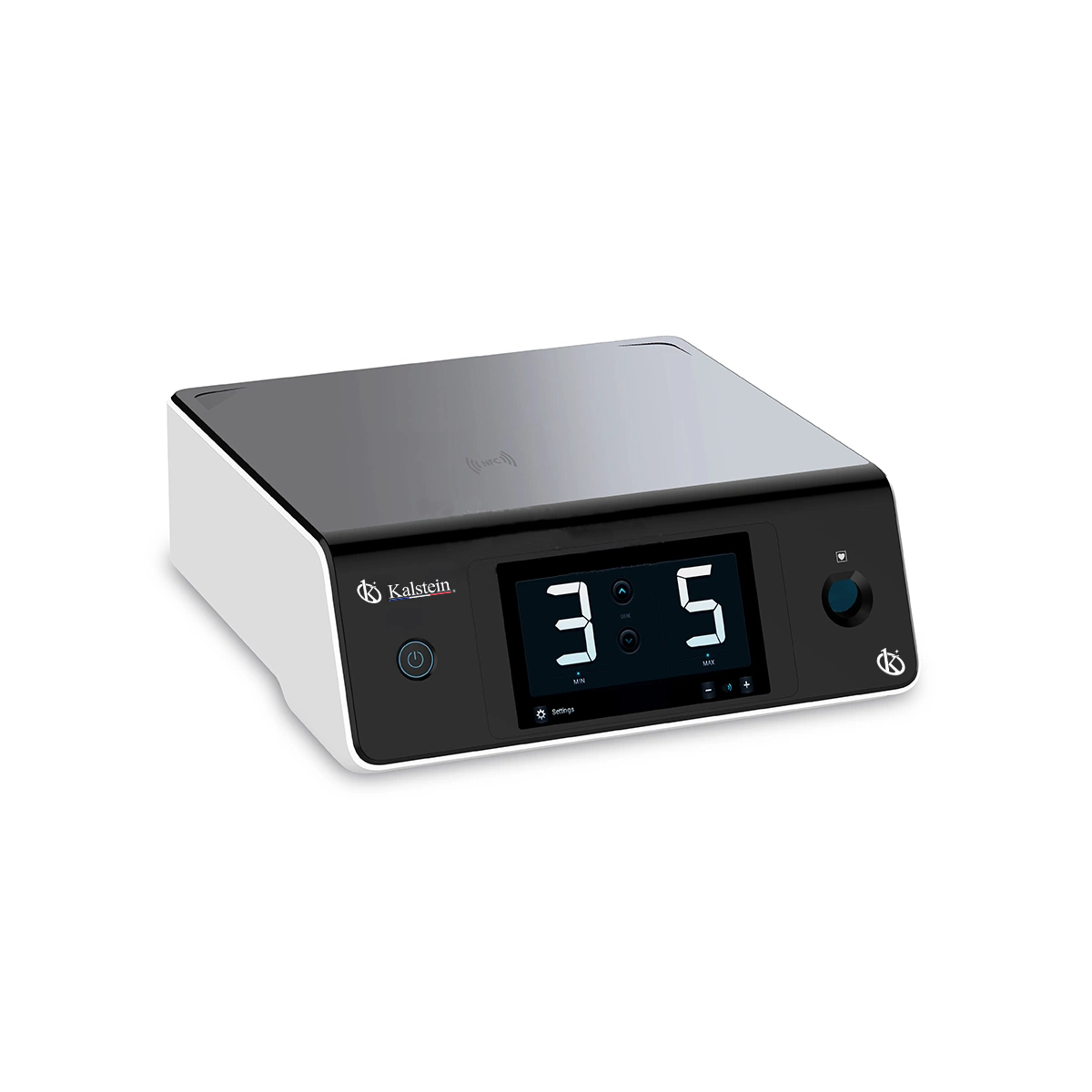
Understanding Predictive Maintenance and Recommended Calibration for Veterinary Electrosurgical Units
The field of veterinary surgery has seen significant advancements with the introduction of electrosurgical units. These devices not only enhance surgical precision but also improve procedural outcomes. However, to maintain their efficiency and reliability, regular calibration and predictive maintenance are essential. This article aims to dissect the importance of predictive maintenance and calibration for various models of veterinary electrosurgical units and how these practices can optimize performance.
Importance of Predictive Maintenance in Electrosurgical Units
Predictive maintenance refers to the strategies and practices employed to forecast equipment failures before they occur. This approach is particularly vital in veterinary electrosurgical units, as unexpected malfunctions can lead to significant operational disruptions and adverse outcomes for patients. By monitoring the performance and condition of electrosurgical units, veterinary professionals can make informed decisions about when to service or replace equipment.
Recommended Calibration Intervals for Electrosurgical Units
Calibrating veterinary electrosurgical units is crucial to ensuring they operate within the specified parameters. The calibration process involves adjusting the device's output to meet established standards, which is essential for maintaining safety and efficacy in surgical procedures. Recommended calibration intervals vary by model and manufacturer, but a general rule of thumb is to calibrate at least once a year or after major repairs and service.
Comparison of Available Models
| Model | Power Output (W) | Best For | Calibration Frequency |
|---|---|---|---|
| YR06129 | 380 | Ultrasonic cutting and coagulation | Annually |
| YR06130 | 35 | General surgeries | Every 6 months |
| YR06131 | 300 | Laparoscopic procedures | Annually |
| YR06132 | 300 | Open surgeries | Every 6 months |
| YR06133 | 15 | Portable surgical applications | Annually |
| YR06134 | 15 | Portable surgical applications | Annually |
Common Mistakes and How to Avoid Them
In veterinary practices, many errors can arise during the calibration and maintenance of electrosurgical units. A prevalent mistake is neglecting to follow the manufacturer's recommended calibration schedule, which can lead to inaccurate performance. Additionally, failing to document maintenance activities can hinder compliance with regulatory standards and affect the overall quality of surgical outcomes. To avoid these pitfalls, veterinary professionals should establish a routine maintenance calendar and ensure thorough documentation of all calibration activities.
Review of Key Models for Predictive Maintenance
Among the various models of veterinary electrosurgical units, each offers specific features that cater to different surgical needs. For example, the YR06129 is designed for ultrasonic cutting and coagulation, making it ideal for precise surgical procedures. Its advanced technology allows for automatic transducer detection, ensuring effective predictive maintenance by alerting users to any required service. Similarly, the YR06131, with its robust sealing capabilities, is suited for laparoscopic surgeries but requires more frequent calibration due to its intensive usage.
Best Practices for Calibration and Maintenance
Establishing a comprehensive maintenance plan is essential for ensuring the longevity and reliability of electrosurgical units. Regular inspections, cleaning, and calibration according to the manufacturer guidelines can help identify issues before they escalate. Utilizing a checklist during maintenance can ensure that every aspect of the unit is functioning optimally and that all safety measures are in place. This proactive approach not only extends the lifespan of the equipment but also enhances surgical safety.
Frequently Asked Questions
How often should veterinary electrosurgical units be calibrated for accuracy?
Veterinary electrosurgical units should typically be calibrated at least once a year, though models like the YR06130 may require calibration every six months due to their frequent usage in general surgeries. Regular calibration ensures that the units operate at peak performance, which is crucial for patient safety and surgical success.
What are the consequences of not maintaining electrosurgical units properly?
Failure to maintain veterinary electrosurgical units can lead to equipment malfunction, posing risks to patient safety and surgery outcomes. For instance, if the YR06132 is not calibrated regularly, it may not deliver the correct power output, which can result in ineffective coagulation or cutting, increasing the risk of complications during surgery.
Which veterinary electrosurgical unit is best for laparoscopic procedures?
The YR06131 is highly recommended for laparoscopic procedures due to its advanced sealing capabilities, which securely close blood vessels ranging from 7-15 mm. Its design also allows for minimal smoke generation, enhancing visibility during surgery while ensuring compliance with safety standards.
What specific maintenance tasks should be performed on electrosurgical units?
Maintenance tasks for electrosurgical units like the YR06130 should include routine inspections for wear and tear, cleaning of components, and calibration to verify output precision. These actions help maintain the unit's functionality and safety for surgical applications.
How does predictive maintenance improve the lifespan of veterinary electrosurgical units?
Predictive maintenance enhances the lifespan of veterinary electrosurgical units by proactively identifying potential failures before they occur. For example, the YR06129 utilizes advanced technology to monitor its performance, allowing for timely servicing that prevents major breakdowns and extends operational efficiency.
Why is documentation important in the maintenance of electrosurgical units?
Documentation is vital as it provides a record of all maintenance and calibration activities performed on the electrosurgical units like the YR06132. This documentation ensures compliance with regulatory standards and aids in tracking the unit's performance over time, facilitating better maintenance decisions.
What role does calibration play in maintaining surgical safety?
Calibration ensures that veterinary electrosurgical units deliver accurate power and performance levels necessary for safe surgical procedures. For instance, without proper calibration, a unit like the YR06134 could underperform, leading to inadequate cutting or coagulation during surgeries, which could have serious consequences for patient safety.
How can veterinary practices ensure compliance with maintenance regulations?
Veterinary practices can ensure compliance by adhering to the manufacturer’s recommended maintenance schedules and keeping thorough records of all calibration and servicing activities. Regular audits and training for staff on maintenance protocols can also enhance compliance with regulations surrounding the operation of electrosurgical units.
If you are looking for a fusion of innovation and quality, you have come to the right place. At Kalstein, we offer you the luxury of exploring our exclusive catalog of laboratory equipment. We manufacture every device to the highest standards of excellence. Our intuitive and seamless online purchasing channels are designed for your convenience, securing the most competitive prices. Hesitate no longer — we bring science to life, it is time to become part of our community.