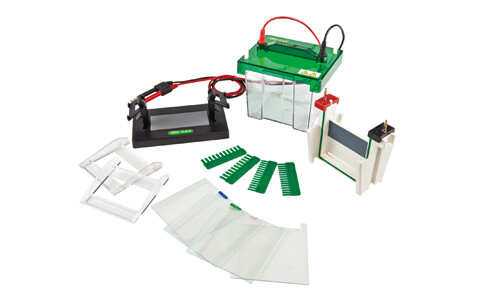
Predictive Maintenance and Recommended Calibration for Vertical Electrophoresis Systems
Vertical electrophoresis systems are essential tools in laboratories for the separation of proteins. Ensuring their optimal performance through predictive maintenance and regular calibration is critical for achieving reproducible results and minimizing operational disruptions. This article delves into the importance of maintaining these systems, the recommended calibration practices, and how various models stand up to these demands.
Understanding Predictive Maintenance in Vertical Electrophoresis
Predictive maintenance (PdM) involves utilizing data and analytics to predict when equipment will fail, allowing for timely interventions before problems arise. For vertical electrophoresis systems, this means monitoring various parameters like buffer conditions, gel integrity, and electrical performance to prevent unexpected downtimes. By focusing on predictive maintenance, laboratories can achieve significant operational efficiencies and extend the lifespan of their electrophoresis systems.
Recommended Calibration Practices for Electrophoresis Systems
Calibration is a key component of maintaining the accuracy and reliability of vertical electrophoresis systems. Regular calibration ensures that the equipment operates within the desired parameters, helping to generate reproducible results. For example, adhering to a calibration schedule based on the manufacturer’s specifications and the user’s operational conditions is crucial. Calibration should include checks on gel thickness, voltage, and buffer concentration, as these factors significantly influence the separation quality.
Comparison of Available Models
| Model | Plate Size (mm) | Gel Size (mm) | Sample Capacity | Buffer Volume (ml) | Weight (kg) | Price (USD) |
|---|---|---|---|---|---|---|
| YR03425 | 100x100 | 82x88 | 11, 15 wells | 750 | 1.5 | 303.00 |
| YR03426 | 100x100 | 82x88 | 11, 15 wells | 1000 | 2.5 | 405.00 |
| YR03427 | 101x82 | 81x73 | 11-60 | 1200 | 2.5 | 517.20 |
| YR03428 | 216x110 | 186x95 | 25, 40, 52 wells | 1800 | 3.2 | 173.40 |
| YR03429 | 216x220 | 186x205 | 25, 40, 52 wells | 3500 | 5.6 | 238.20 |
| YR03430 | 216x110 | 186x95 | 25, 40, 52 wells | 1800 | 3.2 | 339.60 |
Common Mistakes and How to Avoid Them
One common mistake in using vertical electrophoresis systems is neglecting regular calibration and maintenance schedules. This oversight can lead to inconsistent results and increased operational costs. Laboratories should implement a strict calendar for maintenance checks and calibrations, ensuring that each system is compliant with manufacturer specifications. Additionally, another mistake is using expired reagents, which can compromise the electrophoresis process. Always check reagent expiry dates before each use.
Predictive Maintenance Techniques for Electrophoresis Systems
Employing techniques such as real-time monitoring and data analytics can enhance the predictive maintenance strategy for vertical electrophoresis systems. Utilizing sensors to track key performance indicators like voltage stability and gel structure allows for early detection of deviations. Moreover, performing trend analysis on historical data can help laboratories identify patterns leading to equipment failures, thereby facilitating proactive measures.
Calibration Intervals and Standards
Establishing appropriate calibration intervals is essential for maintaining the accuracy of vertical electrophoresis systems. Most manufacturers recommend calibration every six months or after a significant number of runs. Utilizing traceable standards during calibration ensures that your results are aligned with industry benchmarks. For example, following ISO/IEC 17025 guidelines can enhance the credibility of the laboratory’s results.
Benefits of Predictive Maintenance for Lab Efficiency
Adopting predictive maintenance strategies can lead to increased laboratory efficiency. By reducing unplanned downtime, labs can maximize throughput and maintain a steady workflow. Predictive maintenance not only minimizes repair costs but also optimizes operational schedules, allowing for better resource allocation and planning. For instance, implementing PdM in conjunction with the YR03428 model can enhance operational efficiency by ensuring the system is always performing at its peak.
Frequently Asked Questions
How can predictive maintenance improve the lifespan of vertical electrophoresis systems?
Implementing predictive maintenance strategies can extend the lifespan of vertical electrophoresis systems by identifying potential issues before they result in failure. For instance, utilizing regular data analysis can help anticipate maintenance needs for models like YR03430, ensuring optimal performance and durability.
What are the recommended calibration intervals for vertical electrophoresis models?
Calibration intervals for vertical electrophoresis models such as YR03425 should generally be set at six-month intervals or after 100 runs. This practice helps maintain the accuracy and reliability of the electrophoresis process.
Which models are best for laboratories focusing on protein separation?
Models like YR03429 and YR03427 are particularly suited for laboratories focusing on protein separation due to their higher sample capacities and advanced design features, making them ideal for complex workflows.
How do I ensure compliance with ISO standards for electrophoresis systems?
To ensure compliance with ISO standards, laboratories should adhere to regular calibration schedules and maintain thorough documentation of all processes. Models such as YR03428 are designed to help meet these requirements through their operational specifications.
What are the advantages of using modular gel manufacturing in vertical electrophoresis?
Using modular gel manufacturing, as seen in models like YR03426, enables the preparation of multiple gels simultaneously, improving throughput and efficiency in protein separation processes.
How does gel thickness impact the separation quality in vertical electrophoresis?
Gel thickness significantly affects separation quality, with thicker gels generally allowing for better resolution of protein bands. Models like YR03427 offer multiple thickness options to optimize results based on specific experimental needs.
Where can I find replacement parts for vertical electrophoresis systems?
Replacement parts for vertical electrophoresis systems can typically be obtained directly from manufacturers or authorized suppliers. It is crucial to ensure compatibility with your specific model, such as YR03430, to maintain performance standards.
What is the typical cost associated with maintaining vertical electrophoresis systems?
Maintenance costs can vary based on usage and model type. For example, the YR03426 model may require periodic professional servicing and calibration, amounting to approximately 200 to 300 USD annually, depending on use frequency.
If you are looking for a fusion of innovation and quality, you have come to the right place. At Kalstein, we offer you the luxury of exploring our exclusive catalog of laboratory equipment. We manufacture every device to the highest standards of excellence. Our intuitive and seamless online purchasing channels are designed for your convenience, securing the most competitive prices. Hesitate no longer — we bring science to life, it is time to become part of our community.