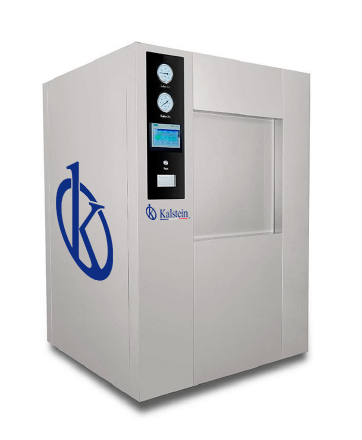
How to Implement Predictive Maintenance and Calibration for Vertical Autoclaves
Vertical autoclaves are essential for sterilization processes in laboratories, medical facilities, and research institutions. Their reliability and accuracy are crucial for ensuring safe and effective sterilization. This article delves into predictive maintenance and periodic calibration strategies tailored for vertical autoclaves, enabling users to maximize their utility and longevity.
Understanding Predictive Maintenance in Vertical Autoclaves
Predictive maintenance is an approach that uses data analysis and monitoring to predict when equipment will fail, allowing for timely maintenance before failures occur. For vertical autoclaves, implementing predictive maintenance can significantly reduce downtime and maintenance costs. By using sensors and software for real-time monitoring, facilities can track vital parameters like temperature, pressure, and cycle times.
The integration of predictive maintenance tools allows technicians to analyze trends and identify potential issues with models such as the YR05653 and YR05655. For instance, if the temperature consistency starts to deviate beyond ±0.2°C, it indicates that immediate calibration is necessary to maintain compliance with sterilization standards.
Calibration Requirements for Vertical Autoclaves
Calibration is a critical process for ensuring that vertical autoclaves operate within specified parameters. It involves adjusting and verifying the accuracy of the instruments to meet predetermined standards. Regular calibration not only assures compliance with industry regulations but also enhances the reliability of sterilization cycles.
Vertical autoclaves like the YR05656 and YR05657 feature advanced control systems that require periodic calibration. This includes verifying the pressure settings, temperature readings, and cycle durations to ensure they align with the specifications outlined in ISO 13485. Optimal calibration schedules can range from quarterly to annually, based on usage frequency and operational demands.
Predictive Maintenance Strategies for Vertical Autoclaves
Establishing an effective predictive maintenance strategy for vertical autoclaves can involve several key steps:
- Data Collection: Utilize sensors to collect operating data, such as temperature and pressure levels. This data serves as the foundation for predictive analytics.
- Trend Analysis: Employ software tools to analyze collected data for identifying trends that may indicate potential failures.
- Scheduled Inspections: Implement a routine inspection schedule based on predictive data analysis to assess the autoclave's physical condition and operational performance.
- Emergency Protocols: Develop protocols for immediate response to anomalies detected during monitoring, ensuring minimal disruption to operations.
Calibration Best Practices
To maintain the accuracy of vertical autoclaves, follow these best practices:
- Documented Procedures: Establish clear documentation for calibration procedures that align with ISO 17025 standards, guiding staff on conducting regular checks.
- Use of Reference Standards: Employ certified reference materials to calibrate temperature and pressure sensors, ensuring their accuracy.
- Periodic Verification: Schedule routine verification of calibration settings and perform adjustments as necessary.
- Training: Regularly train staff on calibration techniques to ensure adherence to protocols and maintain high-quality standards.
Common Mistakes and How to Avoid Them
Several common mistakes can occur in the calibration and maintenance of vertical autoclaves. Understanding these pitfalls enables laboratory professionals to enhance their operations:
- Neglecting Maintenance Logs: Failing to document maintenance activities and calibration results can lead to compliance issues. Maintain detailed logs for each unit, including model YR05653-1, to ensure traceability.
- Inconsistent Calibration Intervals: Skipping scheduled calibrations can result in inaccurate readings and ineffective sterilization. Adhere to a strict calibration schedule tailored to usage patterns.
- Ignoring Warning Signs: Overlooking early warning signs of equipment failure, such as unusual pressure fluctuations, may lead to severe operational failures. Regular monitoring is essential.
Comparison of Available Models
| Model | Pressure Range (Mpa) | Temperature Range (°C) | Calibration Frequency | Best For |
|---|---|---|---|---|
| YR05653 | 0-0.25 | 105-139 | Annual | General Laboratory Use |
| YR05653-1 | 0-0.25 | 105-139 | Annual | Pharmaceutical Applications |
| YR05655 | 0.22 | 100-134 | Quarterly | CSSD and Medical Facilities |
| YR05656 | 0.22 | 100-134 | Quarterly | Research Laboratories |
| YR05657 | 0.22 | 100-134 | Quarterly | Food Industry |
| YR05658 | 0.22 | 100-134 | Quarterly | High-Temperature Applications |
Frequently Asked Questions
How often should a vertical autoclave like YR05653 be calibrated?
A vertical autoclave like the YR05653 should be calibrated annually to ensure compliance with industry standards and optimal performance. Regular calibration checks help maintain sterilization efficacy and meet quality assurance requirements.
What are the key benefits of predictive maintenance for vertical autoclaves?
Predictive maintenance for vertical autoclaves, such as the YR05655, helps reduce unexpected downtimes, lowers maintenance costs, and extends equipment lifespan. By leveraging real-time data analysis, facilities can address issues proactively, ensuring consistent operational performance.
Which calibration standards are critical for vertical autoclaves in laboratories?
Critical calibration standards for vertical autoclaves include ISO 13485 and ISO 17025, which outline quality management and testing laboratory requirements. Models like YR05656 must adhere to these standards to ensure accurate sterilization and compliance.
What is the ideal calibration interval for the YR05657 autoclave?
The ideal calibration interval for the YR05657 autoclave is typically quarterly, especially in high-use environments. This frequency ensures that the autoclave maintains precise temperature and pressure settings necessary for effective sterilization.
How can one monitor the performance of a YR05658 vertical autoclave?
Monitoring the performance of a YR05658 vertical autoclave can be achieved through a combination of temperature and pressure sensors, coupled with software analytics. Regular data logging helps identify trends and potential issues, facilitating timely maintenance actions.
What common issues arise with vertical autoclave calibration?
Common issues with vertical autoclave calibration include drift in sensor accuracy, failure to adhere to scheduled calibrations, and neglecting to address warning signs of impending failures. Regular monitoring and maintenance are essential to mitigate these issues.
How to effectively document calibration results for vertical autoclaves?
Effectively documenting calibration results for vertical autoclaves involves maintaining detailed logs that include calibration dates, results, and any corrective actions taken. This documentation is crucial for compliance and quality assurance in laboratories.
Conclusion
Implementing predictive maintenance and rigorous calibration protocols for vertical autoclaves is essential for maximizing their efficiency and reliability in laboratory environments. By understanding the unique characteristics of each model, such as the YR05653 and YR05655, professionals can tailor their maintenance strategies to enhance performance, ensure compliance, and extend equipment lifespan.
If you are looking for a fusion of innovation and quality, you have come to the right place. At Kalstein, we offer you the luxury of exploring our exclusive catalog of laboratory equipment. We manufacture every device to the highest standards of excellence. Our intuitive and seamless online purchasing channels are designed for your convenience, securing the most competitive prices. Hesitate no longer — we bring science to life, it is time to become part of our community.