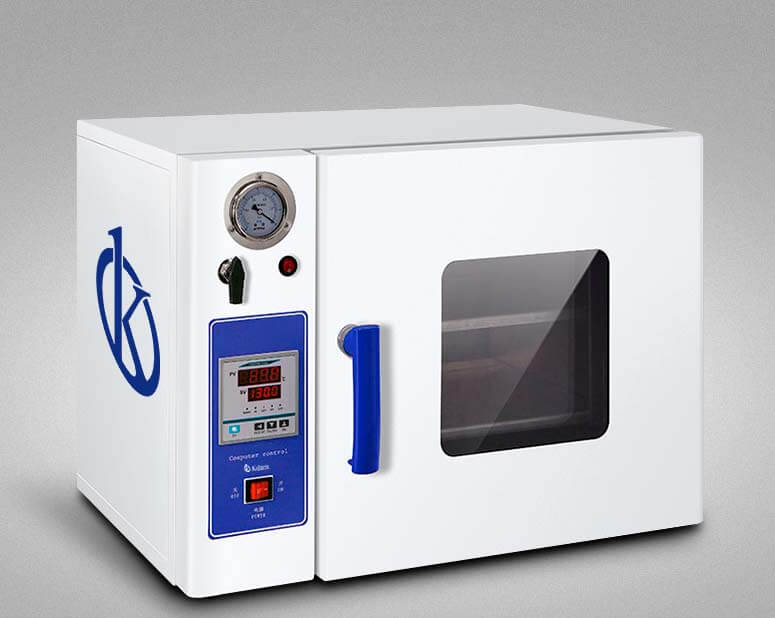
How to Implement Predictive Maintenance and Recommended Calibration for Vacuum Ovens
In the realm of laboratory equipment, vacuum ovens play a vital role in various applications, from drying sensitive materials to sterilizing glassware. As laboratory professionals seek to optimize performance and maintain compliance with industry standards, predictive maintenance and regular calibration have become essential. This article delves into the importance of these practices, focusing on specific models available in the vacuum oven subcategory.
Understanding Predictive Maintenance and Calibration
Predictive maintenance refers to the strategy of monitoring equipment condition through various indicators in order to predict when maintenance should be performed. This approach aims to minimize downtime and extend the lifespan of equipment. Calibration, on the other hand, is the process of verifying and adjusting the accuracy of instruments to ensure they produce results that are reliable and compliant with required standards.
In the context of vacuum ovens, both practices contribute to ensuring optimal performance while adhering to regulatory requirements, such as ISO/IEC standards. Regularly scheduled maintenance and calibration ensure that vacuum ovens operate within specified parameters, thus enhancing their reliability and effectiveness in laboratory applications.
Key Benefits of Predictive Maintenance for Vacuum Ovens
Implementing predictive maintenance for vacuum ovens like the YR05260-A and YR05261-A offers several advantages:
- Reduced Downtime: By predicting failures before they occur, laboratories can schedule maintenance during off-peak hours, minimizing disruptions.
- Cost Efficiency: Predictive maintenance reduces emergency repairs and extends the lifespan of the equipment, translating into significant cost savings.
- Enhanced Accuracy: With regular checks, ovens maintain precise temperature control, crucial for experiments requiring stringent conditions.
- Compliance Assurance: Regular maintenance aligns with regulatory standards, ensuring that operations meet necessary compliance checks.
Calibration Standards for Vacuum Ovens
Calibration of vacuum ovens must comply with specific standards to ensure accuracy and reliability. The key standards include:
- ISO 17025: This standard addresses the competence of testing and calibration laboratories and is critical for labs seeking accreditation.
- ASTM E2878: This guide specifies the calibration for temperature and pressure measurement instruments in laboratory applications, including vacuum ovens.
Regular calibration intervals should be based on usage frequency, environmental conditions, and manufacturer guidelines. For instance, models like the YR05262-SS and YR05264-A may suggest calibration every 6 months under heavy usage.
Comparison of Available Models
| Model | Temperature Range (°C) | Power (kW) | Material | Price (USD) | Best for |
|---|---|---|---|---|---|
| YR05260-A | RT + 5 ~ 250 | 0.9 | Zinc-plated | 330.00 | General laboratory use |
| YR05261-A | RT + 5 ~ 250 | 0.9 | Zinc-plated | 460.00 | Pharmaceutical applications |
| YR05262-SS | RT + 5 ~ 250 | 1.4 | Stainless steel | 400.00 | Environmental protection research |
| YR05263-SS | RT + 5 ~ 250 | 1.4 | Stainless steel | 590.00 | Health care research |
| YR05264-A | RT + 5 ~ 250 | 0.9 | Zinc-plated | 690.00 | Agricultural research |
| YR05265-SS | RT + 5 ~ 250 | 1.4 | Stainless steel | 845.00 | Complex material drying |
Common Mistakes and How to Avoid Them
When implementing predictive maintenance and calibration for vacuum ovens, labs often make several common mistakes:
- Neglecting Regular Maintenance: Skipping scheduled maintenance can lead to unexpected failures and costly repairs. Develop a maintenance calendar based on usage and manufacturer recommendations.
- Inconsistent Calibration Procedures: Failing to follow standardized calibration procedures can result in inaccurate measurements. Ensure all staff are trained and adhere to ISO 17025 requirements.
- Ignoring Environmental Factors: Environmental conditions can affect equipment performance. Regularly assess factors such as humidity and temperature that may influence the vacuum oven’s operation.
Frequently Asked Questions
What are the calibration requirements for vacuum ovens in laboratories?
Calibration for vacuum ovens, such as the YR05260-A, requires adherence to standards like ISO 17025 and ASTM E2878, ensuring that the temperature measurements are accurate and reliable. Regular calibration intervals are recommended every 6 months to maintain compliance and performance.
How does predictive maintenance benefit vacuum ovens used in pharmaceuticals?
Predictive maintenance enhances the performance of vacuum ovens like the YR05261-A, particularly in pharmaceutical applications, by reducing downtime and ensuring compliance with strict quality standards. Regular assessments help identify potential issues before they lead to failures.
Which vacuum oven models are best for agricultural research and why?
Models such as the YR05264-A are ideal for agricultural research due to their capability to handle sensitive materials that require gentle drying processes. Their precise temperature control ensures that research outcomes are reliable and reproducible.
How often should vacuum ovens be calibrated for optimal performance?
Vacuum ovens like the YR05262-SS should be calibrated every 6 months based on usage frequency and environmental factors. This ensures they maintain accuracy in temperature control, which is critical for laboratory experiments.
What preventive measures can be taken to ensure the longevity of vacuum ovens?
To prolong the lifespan of vacuum ovens such as the YR05263-SS, laboratories should implement regular maintenance schedules, including cleaning, inspection, and timely calibration, to prevent wear and ensure consistent performance.
Which models best meet ISO 17025 compliance for laboratory use?
Models like the YR05260-A and YR05261-A are designed to meet the requirements of ISO 17025, ensuring accurate performance and traceability in laboratory settings. Regular calibration is essential for maintaining compliance.
What specific features should be monitored in vacuum ovens during predictive maintenance?
During predictive maintenance of vacuum ovens like the YR05265-SS, key features to monitor include temperature accuracy, vacuum integrity, and mechanical wear. These factors are crucial for maintaining optimal performance and laboratory compliance.
How can I integrate predictive maintenance into my laboratory’s workflow?
To effectively integrate predictive maintenance for vacuum ovens, laboratories should establish a monitoring system that tracks usage data and performance metrics. This approach helps in scheduling maintenance proactively, as seen with models like the YR05264-A.
If you are looking for a fusion of innovation and quality, you have come to the right place. At Kalstein, we offer you the luxury of exploring our exclusive catalog of laboratory equipment. We manufacture every device to the highest standards of excellence. Our intuitive and seamless online purchasing channels are designed for your convenience, securing the most competitive prices. Hesitate no longer — we bring science to life, it is time to become part of our community.