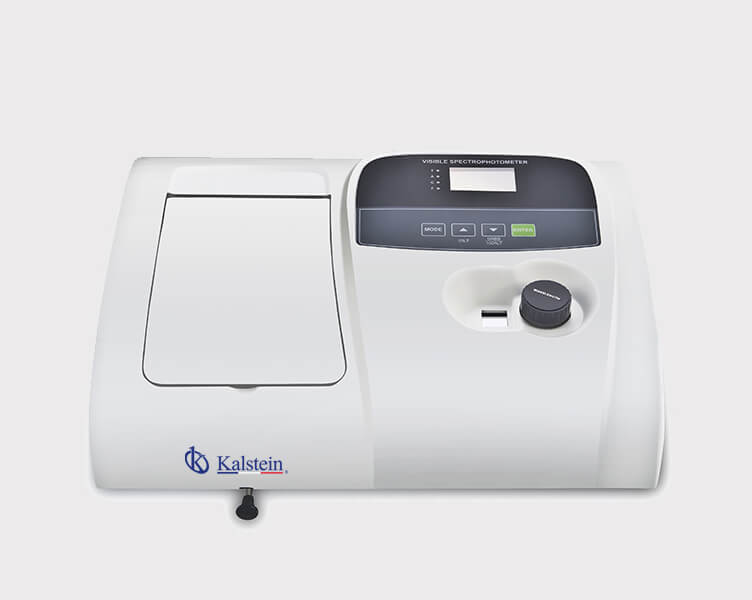
How to Implement Predictive Maintenance and Calibration for Unique Beam Spectrophotometers
Unique beam spectrophotometers are critical instruments in laboratories, providing precise measurements across various applications. Ensuring their optimal performance requires a solid understanding of predictive maintenance and periodic calibration practices. This article delves into the essentials of maintaining these instruments, exploring the key practices necessary for their longevity and accuracy.
Understanding Predictive Maintenance and Calibration
Predictive maintenance refers to techniques designed to help determine the condition of equipment in order to predict when maintenance should be performed. This approach can significantly reduce downtime and maintenance costs. Calibration, on the other hand, involves adjusting the instrument to provide accurate measurements according to established standards. Both practices are integral to ensuring the reliability and accuracy of unique beam spectrophotometers.
Benefits of Predictive Maintenance for Unique Beam Spectrophotometers
Implementing predictive maintenance strategies offers numerous benefits, including reduced operational costs, extended equipment lifespan, and enhanced measurement accuracy. By monitoring the performance and condition of instruments like the YR01844 or YR01850, laboratories can perform maintenance based on actual instrument conditions rather than predefined schedules, leading to more efficient operations.
Key Calibration Techniques for Unique Beam Spectrophotometers
Calibration is essential for ensuring the accuracy of measurements from spectrophotometers. The recommended calibration techniques include using traceable standards and performing regular checks against known references. Regular calibration intervals should be established based on the manufacturer's guidelines and operational demands.
Common Calibration Standards for Spectrophotometers
Common calibration standards for unique beam spectrophotometers include NIST traceable materials and ISO/IEC standards such as ISO 17025. Adherence to these standards ensures that measurements are both reliable and compliant with industry regulations. Implementing ISO 17025 guidelines can enhance the credibility of results generated by spectrophotometers.
Determining Calibration Intervals
Calibration intervals for unique beam spectrophotometers depend on several factors, including usage frequency and operating conditions. A recommended practice is to calibrate instruments like the YR01846 or YR01847 at least once every six months, or more frequently if used in critical applications. Establishing a calibration schedule based on instrument usage helps maintain accuracy while reducing unnecessary costs.
Predictive Maintenance Strategies
Strategies for predictive maintenance include regular monitoring of key performance indicators (KPIs) such as Mean Time Between Failures (MTBF) and Mean Time To Repair (MTTR). By analyzing these metrics, laboratories can better anticipate maintenance needs and streamline their operations. For instance, implementing a sensor-based monitoring system can aid in predictive analysis for models like the YR01853.
Implementing a Calibration Plan
A well-structured calibration plan outlines necessary procedures and schedules for regularly calibrating unique beam spectrophotometers. This plan should include documentation of calibration results, a tracking system for calibration history, and the use of proper standards to ensure compliance with industry regulations.
Comparison of Available Models
| Model | Wavelength Range (nm) | Calibration Features | Best for | Price (USD) |
|---|---|---|---|---|
| YR01844 | 325-1000 | Manual adjustment | General laboratory use | 330.00 |
| YR01845 | 325-1000 | Manual adjustment | Standard curve applications | 530.00 |
| YR01846 | 320-1100 | Auto adjustment | Precision analysis | 690.00 |
| YR01847 | 320-1100 | Auto adjustment | Advanced measurements | 840.00 |
| YR01850 | 190-1000 | Auto adjustment | Multi-wavelength studies | 790.00 |
| YR01853 | 190-1100 | Auto adjustment | High UV/Vis measurements | 1630.00 |
Common Mistakes and How to Avoid Them
Common mistakes in maintaining unique beam spectrophotometers include neglecting regular calibration, failing to document maintenance activities, and using improper calibration standards. To avoid these pitfalls, laboratories should implement a rigorous maintenance schedule, ensure proper training for staff, and regularly audit their calibration processes.
Frequently Asked Questions
How often should unique beam spectrophotometers be calibrated for accuracy?
Calibration should occur at least every six months for unique beam spectrophotometers like the YR01846, depending on usage levels and application criticality. Regular calibration ensures compliance with ISO 17025 standards and maintains measurement accuracy.
What are the key benefits of predictive maintenance for spectrophotometers?
Predictive maintenance reduces downtime and extends the lifespan of unique beam spectrophotometers like the YR01850 by anticipating failures before they occur. This proactive approach not only saves costs but also ensures consistent measurement quality.
Which calibration standards are recommended for spectrophotometers?
NIST traceable materials and compliance with ISO/IEC standards such as ISO 17025 are recommended for calibrating spectrophotometers like the YR01853. These standards ensure the measurement accuracy needed for laboratory applications.
How does calibration affect the performance of spectrophotometers?
Calibration directly impacts the accuracy and reliability of measurements from unique beam spectrophotometers. Regular calibration helps maintain performance and compliance with industry standards, especially for models like the YR01845.
What predictive maintenance strategies can be implemented for spectrophotometers?
Strategies include monitoring KPIs such as MTBF and implementing sensor-based monitoring systems for unique beam spectrophotometers like the YR01847. These practices help anticipate maintenance needs and enhance operational efficiency.
What is the recommended calibration interval for high-precision spectrophotometers?
High-precision spectrophotometers like the YR01846 should ideally be calibrated every three to six months, especially when used for critical measurements. This frequency ensures reliable performance and compliance with established standards.
How can laboratories document their calibration processes effectively?
Effective documentation involves maintaining detailed records of calibration results, schedules, and standards used for unique beam spectrophotometers. Implementing a digital tracking system can streamline this process and enhance traceability.
What role does predictive maintenance play in laboratory cost management?
Predictive maintenance significantly reduces unplanned downtime and associated costs for unique beam spectrophotometers through efficient use of resources, as seen with models like the YR01850. This approach leads to substantial cost savings over time.
If you are looking for a fusion of innovation and quality, you have come to the right place. At Kalstein, we offer you the luxury of exploring our exclusive catalog of laboratory equipment. We manufacture every device to the highest standards of excellence. Our intuitive and seamless online purchasing channels are designed for your convenience, securing the most competitive prices. Hesitate no longer — we bring science to life, it is time to become part of our community.