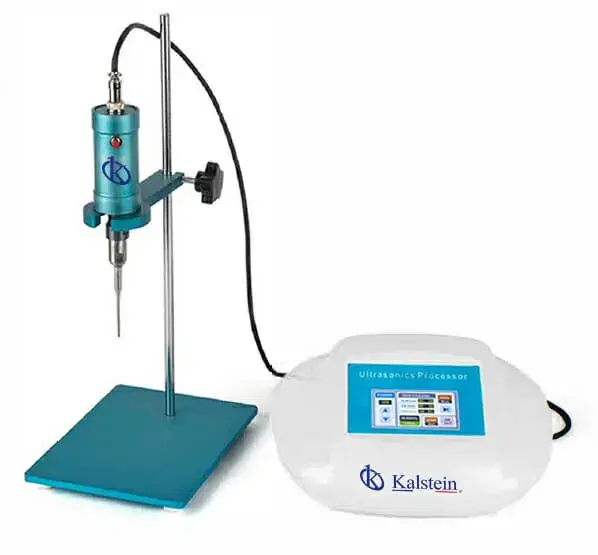
How to Implement Predictive Maintenance and Calibration for Ultrasonic Homogenizers
The modern laboratory operates under increasing pressure to enhance efficiency and accuracy, especially when using devices like ultrasonic homogenizers. These instruments are pivotal in processes such as emulsification, cell disruption, and material homogenization. However, to ensure optimal performance, a robust predictive maintenance and calibration strategy is essential. This article will delve into the specifics of maintaining ultrasonic homogenizers while comparing multiple models to understand their unique features better.
Understanding Predictive Maintenance in Ultrasonic Homogenizers
Predictive maintenance refers to the condition-based maintenance strategy that utilizes data-driven analytics to predict when equipment will fail, allowing for timely interventions. In the context of ultrasonic homogenizers, predictive maintenance can significantly reduce downtime and operational costs by addressing issues before they lead to equipment failure.
By leveraging real-time data and analytics, laboratory professionals can monitor the performance of ultrasonic homogenizers, such as model YR05829, which features a digital generator that enhances stability and reliability. Implementing predictive maintenance involves regular monitoring of key performance indicators (KPIs), such as Mean Time Between Failures (MTBF) and Mean Time to Repair (MTTR), to gauge the health of the equipment.
Calibration Intervals: Timing is Key
Calibration is a critical aspect of operating ultrasonic homogenizers, ensuring that measurements are accurate and consistent. Calibration intervals should be defined based on usage frequency, environmental conditions, and the specific requirements of the processes being performed. For instance, ultrasonic homogenizers like the YR05830 have specific operational tolerances that need to be regularly checked and adjusted.
Best practices suggest that a calibration schedule should be established that includes frequent checks, with more intensive calibration occurring based on the frequency of use. A calibration plan template can be developed to ensure that all necessary parameters are evaluated during routine checks. This approach not only enhances the accuracy of results but also prolongs the lifespan of the equipment.
Common Calibration Standards and Practices
Calibration practices adhere to established standards that ensure the reliability of measurements taken by ultrasonic homogenizers. Standards such as ISO/IEC 17025 provide guidelines for testing and calibration laboratories, specifically regarding competency and consistency in results. For ultrasonic homogenizers, the calibration process often involves using known reference materials and following procedural protocols to ensure accuracy.
In laboratories utilizing ultrasonic homogenizers, it is crucial to document the calibration process thoroughly, including the models used, the standards followed, and the results obtained. This documentation serves as proof of compliance with regulatory standards and can be vital during audits.
Comparative Analysis of Ultrasonic Homogenizer Models
When considering the implementation of predictive maintenance and calibration strategies, it's essential to compare different ultrasonic homogenizers to determine which model best fits specific laboratory needs. Below is a detailed table comparing several models, their specifications, and suitability for various applications.
| Model | Ultrasonic Power (W) | Processing Volume (ml) | Price (USD) | Best For |
|---|---|---|---|---|
| YR05829 | 5-150 | 0.1-50 | 659.00 | Cell disruption and emulsification |
| YR05830 | 5-250 | 0.5-100 | 659.00 | High-throughput applications |
| YR05831 | 5-400 | 0.5-300 | 699.00 | Advanced homogenization |
| YR05831-op1 | 5-400 | 0.5-300 | 149.00 | Budget-friendly operations |
| YR05832 | 650 | 0.2-500 | 1050.00 | Versatile laboratory uses |
Common Mistakes and How to Avoid Them
Laboratories often encounter common pitfalls when implementing predictive maintenance and calibration strategies for ultrasonic homogenizers. One prevalent mistake is failing to establish a clear calibration schedule, which can lead to uncalibrated equipment affecting the quality of results. To avoid this, laboratories should develop a comprehensive calibration plan that includes adequate timelines based on usage.
Another mistake is neglecting to document maintenance and calibration activities thoroughly. Documentation is critical for compliance with regulatory standards, and any lapses can result in costly audits. Therefore, keeping detailed records of all maintenance activities and calibrations performed is essential.
Frequently Asked Questions
How does predictive maintenance improve the reliability of ultrasonic homogenizers?
Predictive maintenance enhances the reliability of ultrasonic homogenizers like the YR05829 by using data analytics to identify potential issues before they cause failures. By monitoring key performance metrics, laboratories can schedule timely maintenance, reducing unexpected downtimes and ensuring consistent performance.
What are the recommended calibration frequencies for ultrasonic homogenizers?
Calibration frequencies for ultrasonic homogenizers, such as the YR05830, should be determined based on usage and environmental conditions. Typically, frequent use may necessitate calibration every few weeks, while less frequent operations can extend this interval to months. Establishing a tailored calibration schedule is essential for optimal performance.
Which standards should be followed for calibrating ultrasonic homogenizers?
Calibration of ultrasonic homogenizers should adhere to standards like ISO/IEC 17025, ensuring accuracy and reliability in measurements. Implementing these standards is critical for compliance and provides a structured approach to calibration processes, ensuring that models like YR05831 operate within defined tolerances.
How can I create an effective calibration plan for my ultrasonic homogenizers?
An effective calibration plan for ultrasonic homogenizers involves defining key performance indicators, scheduling regular checks, and documenting results. For example, using model YR05832, labs can establish a plan that includes frequency of use and necessary calibration checks to maintain accuracy and reliability.
What role does documentation play in maintaining ultrasonic homogenizers?
Documentation is crucial in maintaining ultrasonic homogenizers as it ensures compliance with regulatory standards and provides a historical record of maintenance and calibration activities. For instance, detailed logs for models like YR05831 can help prevent lapses that could lead to equipment failures.
How does ultrasonic power affect the efficiency of homogenization?
Ultrasonic power, as seen in models like YR05830 with a power range of 5-250W, directly impacts the efficiency of homogenization processes. Higher power levels typically lead to faster and more effective homogenization, making it essential to match the power settings to specific laboratory applications.
What are the signs that an ultrasonic homogenizer needs maintenance?
Signs that an ultrasonic homogenizer, such as the YR05829, needs maintenance include unusual noise, fluctuations in performance, or error messages on the display. Monitoring these indicators allows laboratories to proactively schedule maintenance before significant issues arise.
How can I ensure compliance with regulatory standards while using ultrasonic homogenizers?
Ensuring compliance with regulatory standards while using ultrasonic homogenizers involves adhering to calibration requirements outlined in standards like ISO/IEC 17025. Maintaining accurate documentation of calibration activities and regularly updating processes helps laboratories remain compliant while using models such as YR05832.
If you need further information or a quote for ultrasonic homogenizers, feel free to reach out for personalized assistance.
If you are looking for a fusion of innovation and quality, you have come to the right place. At Kalstein, we offer you the luxury of exploring our exclusive catalog of laboratory equipment. We manufacture every device to the highest standards of excellence. Our intuitive and seamless online purchasing channels are designed for your convenience, securing the most competitive prices. Hesitate no longer — we bring science to life, it is time to become part of our community.