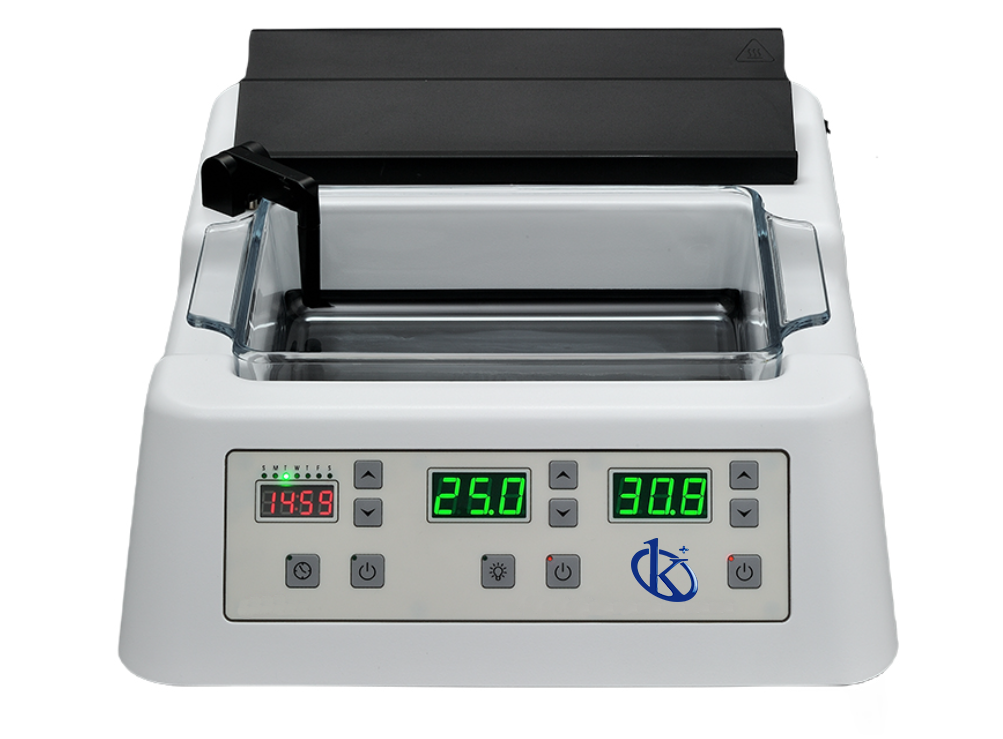
How to Ensure Predictive Maintenance and Recommended Calibration for Tissue Flotation Workstations
Tissue flotation workstations are critical in pathological anatomy, where precise temperature control and reliable operation are essential for the preparation of tissue samples. Ensuring predictive maintenance and adhering to recommended calibration schedules can significantly improve the performance and longevity of these devices. This guide discusses maintenance strategies, calibration intervals, and how different models can meet these needs effectively.
Understanding Predictive Maintenance for Tissue Flotation Workstations
Predictive maintenance is a proactive approach that focuses on anticipating equipment failure before it occurs. For tissue flotation workstations, this involves regularly monitoring key operational parameters such as temperature consistency, functionality of heating elements, and overall device performance. By employing predictive maintenance, laboratories can reduce downtime, improve sample quality, and optimize operational efficiency.
Calibration and Its Importance in Tissue Flotation
Calibration ensures that the measurements taken by a tissue flotation workstation are accurate and reliable. For instance, maintaining the temperature within ±2℃ is crucial for effective tissue processing. Regular calibration checks help confirm that the equipment stays within specified parameters, preventing discrepancies that could lead to faulty results.
Recommended Calibration Intervals
The recommended calibration interval for most laboratory equipment, including tissue flotation workstations, is typically every six months. However, this may vary based on usage frequency and environmental conditions. For instance, the YR456 model, with its automatic memory functions, may offer additional stability, allowing for extended intervals under consistent operational conditions.
Failure Modes and Their Impact on Workflow
Common failure modes in tissue flotation workstations include temperature fluctuation, mechanical failures in heating elements, and electrical malfunctions. Understanding these failure modes allows laboratory professionals to implement effective predictive maintenance strategies. For example, monitoring the performance of the YR457-1 model can help identify temperature irregularities that might indicate a need for maintenance or recalibration.
Key Performance Indicators for Predictive Maintenance
Key performance indicators (KPIs) such as Mean Time Between Failures (MTBF) and Mean Time To Repair (MTTR) provide insights into the reliability of tissue flotation workstations. For example, a workstation like the YR457 can be monitored for its MTBF to assess its performance over time, which influences maintenance scheduling and operational efficiency.
Comparison of Available Models
| Model | Temperature Range (℃) | Control Accuracy (℃) | Best For | Price (USD) |
|---|---|---|---|---|
| YR457-1 | RT - 70 | ±2 | Routine laboratory use | 1200.00 |
| YR456 | RT - 70 | ±2 | High-throughput environments | 800.00 |
| YR457 | RT - 70 | ±2 | Academic research settings | 900.00 |
Common Mistakes and How to Avoid Them
One common mistake in laboratories is neglecting regular maintenance checks and calibration schedules, which can lead to inaccurate results. To avoid this, laboratories should establish a comprehensive maintenance plan that includes routine checks for all tissue flotation workstations, ensuring models like YR457-1 are consistently operating within their specified parameters.
Frequently Asked Questions
How often should I calibrate my tissue flotation workstation for optimal results?
Calibration of your tissue flotation workstation, such as the YR457, should be performed every six months to ensure accuracy within the ±2℃ control range. Regular calibration helps maintain the integrity of your tissue samples.
What are the key indicators of predictive maintenance for tissue flotation workstations?
Key indicators include monitoring temperature consistency, operational stability, and failure rates of devices like the YR456. Tracking these metrics can help schedule maintenance effectively and prevent unexpected breakdowns.
Which tissue flotation workstation models are best for high-throughput labs?
The YR456 model is particularly well-suited for high-throughput labs due to its efficient temperature control capabilities and rapid heating times. This ensures reliable operation during busy periods.
What are the common failure modes in tissue flotation workstations?
Common failure modes include temperature fluctuations and electrical failures, particularly in models like the YR457 that rely heavily on electronic controls. Implementing a predictive maintenance strategy can mitigate these risks.
How does predictive maintenance improve the reliability of tissue flotation workstations?
Predictive maintenance improves reliability by identifying potential issues before they lead to equipment failure, thereby enhancing the uptime of models like YR457-1 and ensuring consistent sample quality.
What is the impact of calibration accuracy on laboratory results?
Calibration accuracy is crucial; if a workstation like the YR456 operates outside its ±2℃ specification, it can adversely affect tissue sample preparation, leading to unreliable results.
How can I integrate predictive maintenance into my lab's workflow?
Integrating predictive maintenance involves monitoring key performance indicators and establishing a routine check schedule for models like the YR457. Such practices facilitate proactive maintenance and enhance laboratory efficiency.
What are the benefits of using a dual-tank heating system in tissue flotation?
A dual-tank heating system, as seen in the YR456, allows for independent temperature control, enhancing energy efficiency and enabling the simultaneous processing of different sample types, thus increasing throughput.
If you are looking for a fusion of innovation and quality, you have come to the right place. At Kalstein, we offer you the luxury of exploring our exclusive catalog of laboratory equipment. We manufacture every device to the highest standards of excellence. Our intuitive and seamless online purchasing channels are designed for your convenience, securing the most competitive prices. Hesitate no longer — we bring science to life, it is time to become part of our community.