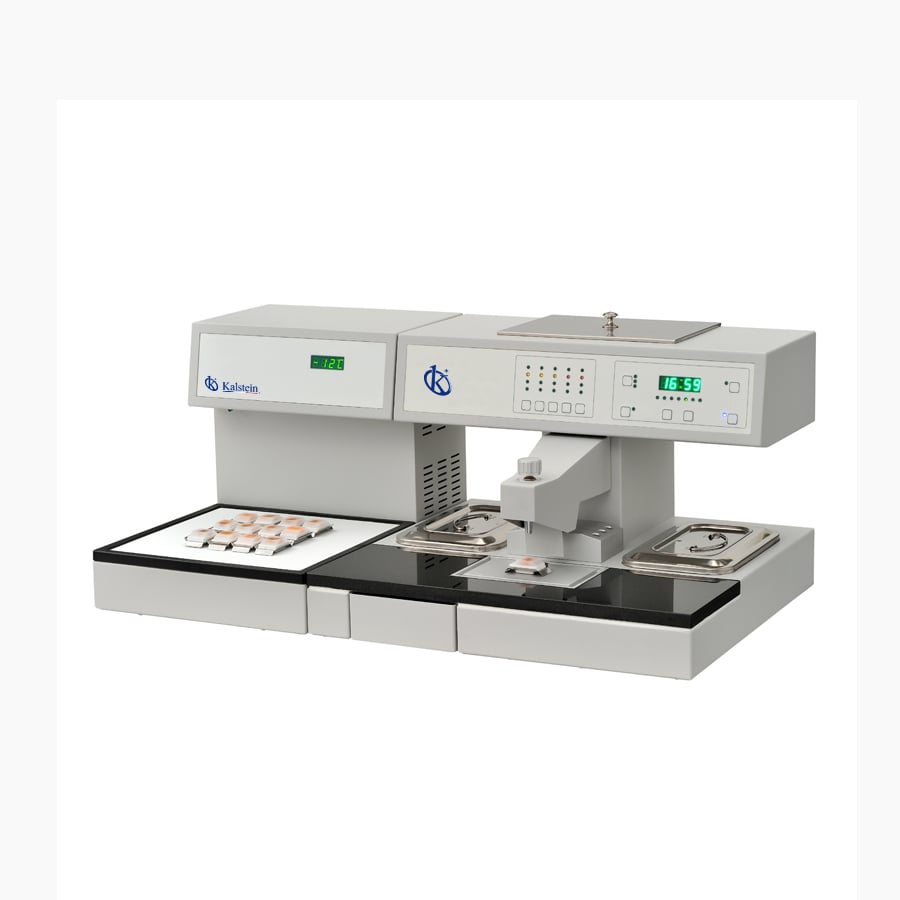
Predictive Maintenance and Recommended Calibration for Tissue Embedding Systems
Tissue embedding systems are critical components in histology and pathology laboratories. These systems must maintain high reliability and precision, as they are essential for the successful processing of tissue samples. However, to ensure their ongoing performance, it is vital to implement predictive maintenance strategies and follow recommended calibration schedules. This article will delve into these concepts, focusing on various models of tissue embedding systems, including the Tissue Inclusion Center YR441, YR447, YR439, YR445, YR439-1, and YR440B.
Understanding Predictive Maintenance in Tissue Embedding Systems
Predictive maintenance is an approach that uses data analysis tools and techniques to detect anomalies in equipment operation and potential defects. Instead of performing maintenance at predefined intervals, predictive maintenance aims to perform it only when necessary. This not only reduces downtime but can also minimize maintenance costs and increase equipment longevity.
In the context of tissue embedding systems, predictive maintenance involves monitoring various parameters, such as temperature stability, heating times, and system responses. Each of these parameters can offer insights into the health of the equipment. For example, the Tissue Inclusion Center YR441, with its microprocessor-controlled temperature settings, can provide real-time feedback that enables predictive maintenance actions.
Calibration: The Key to Precision in Tissue Embedding Systems
Calibration is the process of adjusting the accuracy of equipment. In tissue embedding systems, calibration ensures that all temperature and operational settings are accurate, thereby guaranteeing reproducibility in tissue processing. Regular calibration helps to maintain compliance with international standards and internal quality control protocols.
A recommended calibration schedule should be based on the frequency of use and manufacturer guidelines. For instance, the YR447 features advanced temperature controls which should be calibrated regularly to ensure temperature accuracy in the range of RT - 85℃.
Recommended Calibration Intervals
Calibration schedules can vary, but a common practice is to calibrate tissue embedding systems every 6-12 months. This interval allows for any drift that may occur over time to be corrected. In addition, daily checks of operational parameters can help ensure consistency in results.
| Model | Recommended Calibration Interval | Key Calibration Parameters | Notes |
|---|---|---|---|
| YR441 | 6 Months | Temperature Accuracy | Microprocessor controlled |
| YR447 | 12 Months | Temperature Uniformity | Advanced control system |
| YR439 | 6 Months | Heating Zones | Ergonomic design |
| YR445 | 6 Months | Heating Zones | Intuitive controls |
| YR439-1 | 12 Months | PID Control System | High precision |
| YR440B | 12 Months | Cooling Temperature | Environmentally friendly refrigerants |
Common Calibration Mistakes and How to Avoid Them
Calibration is essential, but several common mistakes can lead to inaccurate results. One frequent error is not documenting calibration results correctly, leading to difficulties in tracking equipment performance over time. Additionally, failing to follow manufacturer guidelines regarding calibration intervals can result in equipment operating outside specification. Regular training for laboratory personnel on calibration procedures and documentation is crucial.
Another mistake is neglecting to calibrate all relevant parameters. For example, the YR445 has multiple heating zones that must all be calibrated to ensure consistent processing conditions. By adopting a comprehensive calibration strategy, these common pitfalls can be avoided.
Benefits of Implementing Predictive Maintenance
The benefits of predictive maintenance in tissue embedding systems are profound. It can lead to a reduction in unexpected downtime and repair costs, as well as extended equipment lifespan. By analyzing operational data from systems like the YR439, labs can anticipate failures before they occur, allowing for timely maintenance and minimal disruption to workflow.
Moreover, predictive maintenance can optimize laboratory performance by ensuring that systems are always running at their best. This is especially important in high-throughput labs where efficiency and reliability are paramount.
Predictive Maintenance Strategies for Tissue Embedding Systems
Some effective predictive maintenance strategies include utilizing software that monitors temperature, power usage, and other operational parameters in real time. Systems like the YR447 come equipped with advanced monitoring capabilities that can alert technicians to potential issues before they become major problems.
Another strategy is to maintain an inventory of critical spare parts based on historical data and usage patterns, ensuring that replacements are readily available when needed. Regular training for staff on troubleshooting and maintenance procedures is also essential to ensure quick responses to any anomalies.
Comparison of Available Models
| Model | Temperature Range (℃) | Capacity (liters) | Price (USD) | Best for |
|---|---|---|---|---|
| YR441 | 55 - 70 | 3 | 2200.00 | Standard histology labs |
| YR447 | RT - 85 | 4 | 2800.00 | High-performance applications |
| YR439 | 55 - 70 | 3 | 1300.00 | Budget-conscious labs |
| YR445 | Ambient - 85 | 4 | 1800.00 | Versatile processing needs |
| YR439-1 | TA - 85 | ≥6 | 2100.00 | High-capacity labs |
| YR440B | 0 to -20 | N/A | 1100.00 | Freezing applications |
Frequently Asked Questions
How does predictive maintenance improve the reliability of tissue embedding systems?
Predictive maintenance enhances reliability by employing real-time monitoring of key parameters like temperature and heating times. For instance, the YR441's microprocessor-controlled features allow labs to identify issues before they escalate, significantly reducing downtime.
What are the essential calibration parameters for tissue embedding systems?
Essential calibration parameters include temperature accuracy, heating zones, and PID control precision. Systems like the YR447 require regular checks to maintain output quality, ensuring compliance with laboratory standards.
Which tissue embedding system is best for high-throughput applications?
The YR447 is ideally suited for high-throughput applications due to its advanced heating capabilities and programmable features, enabling efficient tissue processing without compromising quality.
What is the recommended calibration frequency for tissue embedding systems?
It is recommended to calibrate tissue embedding systems every 6 to 12 months, depending on usage. For example, the YR439 should be calibrated every 6 months to ensure optimal performance.
How can I ensure my tissue embedding system complies with industry standards?
To ensure compliance, follow the manufacturer’s calibration guidelines and schedule regular maintenance checks. Systems like the YR445 come with intuitive controls that facilitate adherence to these standards.
What cost benefits can be realized from predictive maintenance in tissue embedding systems?
Predictive maintenance can significantly reduce operational costs by minimizing unexpected repairs and extending equipment life. For instance, labs using the YR439 could save on repairs by addressing issues proactively.
How does temperature control impact the performance of tissue embedding systems?
Temperature control is critical; fluctuations can affect tissue quality. Systems like the YR447 provide accurate temperature settings, crucial for maintaining the integrity of processed samples.
What are the risks of neglecting regular calibration in embedding systems?
Neglecting calibration can lead to inaccurate temperature settings, affecting sample quality and compliance with standards. Regular calibration of systems like the YR441 ensures reliable results and adherence to protocols.
If you are looking for a fusion of innovation and quality, you have come to the right place. At Kalstein, we offer you the luxury of exploring our exclusive catalog of laboratory equipment. We manufacture every device to the highest standards of excellence. Our intuitive and seamless online purchasing channels are designed for your convenience, securing the most competitive prices. Hesitate no longer — we bring science to life, it is time to become part of our community.