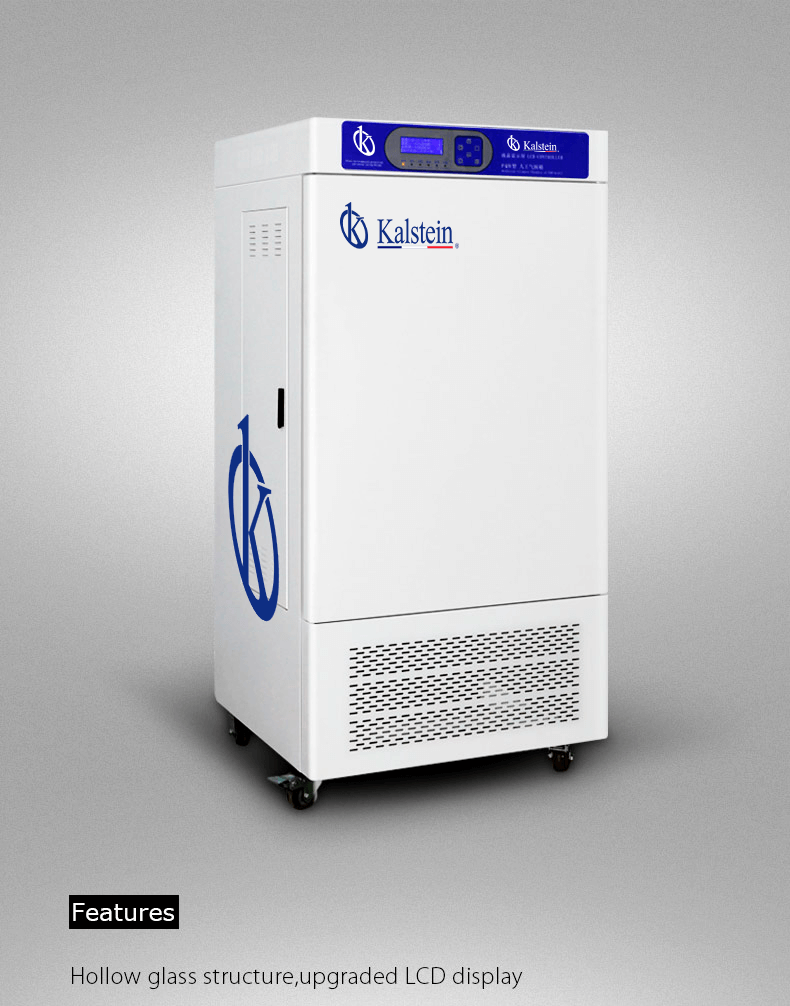
Ensuring Predictive Maintenance and Recommended Calibration for Plant Growth Chambers
In laboratory environments, particularly those focused on biological and agricultural research, ensuring optimal performance of plant growth chambers is critical. These chambers provide controlled conditions for various growth and testing processes, and maintaining their functionality through predictive maintenance and regular calibration can significantly enhance research outcomes. This article delves into the essential aspects of predictive maintenance and calibration for plant growth chambers, emphasizing their importance in laboratory settings.
Understanding Plant Growth Chambers and Their Importance
Plant growth chambers are specialized environments designed to simulate specific climatic conditions for plant growth and experimentation. They are equipped with controls for temperature, humidity, light, and ventilation, which are crucial for various applications, including seed germination, microbiological studies, and agricultural research. This consistent environmental control allows for reproducibility in experiments, making plant growth chambers indispensable in modern laboratories.
Predictive Maintenance in Plant Growth Chambers
Predictive maintenance involves techniques that help anticipate equipment failures before they occur, allowing for timely maintenance interventions. In the context of plant growth chambers, implementing predictive maintenance strategies can prevent unexpected breakdowns that might compromise research integrity. Techniques such as monitoring performance metrics, analyzing historical data, and employing sensors can provide insights into the operational status of these chambers.
Key Benefits of Predictive Maintenance
- Increased Reliability: Regular monitoring helps maintain consistent performance, minimizing downtime.
- Cost Efficiency: Predictive maintenance reduces the costs associated with unexpected repairs and replacements.
- Enhanced Lifespan: Proper maintenance extends the operational life of the equipment, maximizing return on investment.
Calibration: Ensuring Accurate Environmental Conditions
Calibration is the process of adjusting and verifying that the plant growth chamber's environmental controls are operating within specified parameters. Regular calibration ensures that temperature, humidity, and lighting conditions are accurate, which is essential for reproducible results in experiments. Inaccurate readings can lead to inconsistent experimental conditions, affecting the outcomes of critical research.
Calibration Standards and Recommendations
It is recommended that calibration for plant growth chambers be performed at least once per year. However, more frequent checks might be necessary depending on usage intensity and the critical nature of the experiments being conducted. Adhering to standards such as ISO/IEC 17025 can provide guidelines for ensuring quality and reliability in calibration processes.
Comparison of Available Models
| Model | Temperature Range (°C) | Illumination (LX) | Volume (L) | Best Use Case |
|---|---|---|---|---|
| YR05331 | 10~50 (with light), 5~60 (without light) | 0~10000 | 150 | Seed germination and microbiological tests |
| YR05332 | 10~50 (with light), 5~60 (without light) | 0~15000 | 250 | Plant growth and product quality testing |
| YR05333 | 10~50 (with light), 5~60 (without light) | 0~15000 | 350 | Advanced biological and agricultural experiments |
Common Mistakes and How to Avoid Them
Laboratories often encounter pitfalls in the maintenance and calibration of plant growth chambers. One common mistake is neglecting regular calibration checks, leading to unreliable data and poor experimental outcomes. Another frequent issue is failing to document maintenance activities, which is vital for traceability and compliance with quality standards. Implementing a systematic maintenance schedule and utilizing digital logs can help mitigate these issues.
Best Practices for Predictive Maintenance
To establish an effective predictive maintenance program, laboratories should:
- Implement real-time monitoring systems that track key performance indicators (KPIs).
- Develop a database of maintenance records to identify patterns and potential issues.
- Train personnel on interpreting performance data and responding appropriately to maintenance alerts.
Best Practices for Calibration
Calibration should be approached methodically to ensure accuracy:
- Establish a calibration schedule based on usage frequency and environmental stability.
- Use certified calibration equipment to verify the accuracy of readings.
- Document each calibration process meticulously to maintain compliance and facilitate audits.
Frequently Asked Questions
What is the recommended calibration frequency for plant growth chambers?
The recommended calibration frequency for plant growth chambers is at least once per year. However, chambers used for critical experiments may require more frequent checks. Models like YR05332 should have their humidity and temperature calibrated regularly to ensure optimal performance.
How can predictive maintenance improve the lifespan of plant growth chambers?
Predictive maintenance can improve the lifespan of plant growth chambers by identifying and addressing potential failures before they occur. By monitoring performance metrics, like those in the YR05333 model, labs can reduce unexpected breakdowns and maintenance costs.
What standards should laboratories follow for calibrating plant growth chambers?
Laboratories should follow standards such as ISO/IEC 17025 for calibrating plant growth chambers. This ensures that measurements are accurate and traceable, significantly impacting the reliability of results from models like YR05331.
Which model is best for seed germination and plant growth experiments?
The YR05331 model is ideal for seed germination and plant growth experiments. Its temperature range and illumination levels provide optimal conditions for various agricultural applications, making it a preferred choice in laboratories.
How does calibration affect the performance of plant growth chambers?
Calibration directly affects the performance of plant growth chambers by ensuring that temperature, humidity, and light conditions remain within specified limits. Inaccurate calibration can lead to poor growth outcomes, particularly in models like YR05332.
What are the costs associated with predictive maintenance of plant growth chambers?
While the costs of predictive maintenance can vary, implementing real-time monitoring systems and regular calibration checks can save significant amounts in unexpected repairs. Models such as YR05333 benefit from reduced downtime, resulting in overall cost savings.
Can predictive maintenance help in regulatory compliance for laboratory equipment?
Yes, predictive maintenance can enhance regulatory compliance by ensuring that equipment operates according to established standards. Regular maintenance and calibration of models like YR05331 help maintain records that support compliance with regulations like ISO/IEC 17025.
How do I choose the best plant growth chamber model for my laboratory?
Choosing the best plant growth chamber model depends on specific laboratory needs, such as temperature range, illumination requirements, and chamber volume. For instance, the YR05332 model offers higher illumination and capacity, making it suitable for more demanding experiments.
If you are looking for a fusion of innovation and quality, you have come to the right place. At Kalstein, we offer you the luxury of exploring our exclusive catalog of laboratory equipment. We manufacture every device to the highest standards of excellence. Our intuitive and seamless online purchasing channels are designed for your convenience, securing the most competitive prices. Hesitate no longer — we bring science to life, it is time to become part of our community.