How to Ensure Predictive Maintenance and Regular Calibration for Oil Baths?
In today’s fast-paced laboratory environment, ensuring that your oil baths operate at optimal performance levels is crucial. Predictive maintenance and regular calibration practices not only extend the lifespan of these essential instruments but also guarantee compliance with industry regulations and enhance overall laboratory efficiency. This article delves into the best practices for predictive maintenance and calibration specific to oil baths, providing laboratory professionals with actionable insights.
Understanding Oil Baths in Laboratory Settings
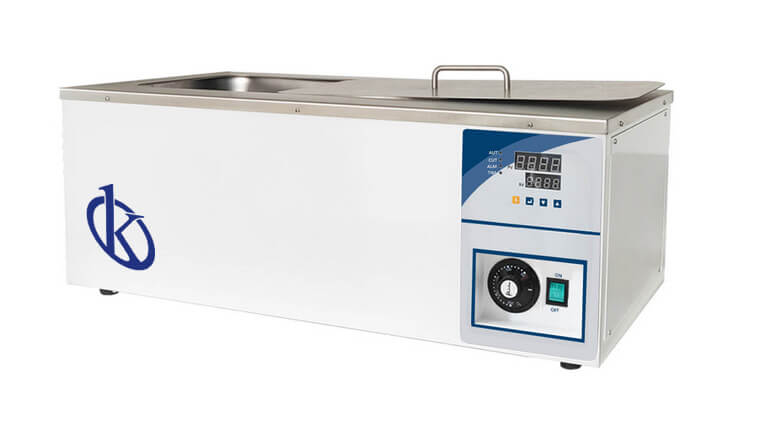
Oil baths are widely used in various fields, including bioengineering, food science, and chemical industries, primarily for their ability to provide a stable and uniform temperature. Their applications can range from simple heating tasks to complex procedures requiring precise temperature control. Models like the Oil Bath YR04973, YR04974, YR04975, and YR04976 are known for their advanced features, such as intelligent microcomputer control systems that ensure rapid temperature increase and stability.
Importance of Predictive Maintenance
Predictive maintenance refers to the proactive approach of monitoring equipment conditions to predict potential failures before they occur. By implementing predictive maintenance for oil baths, laboratories can avoid unexpected breakdowns, thereby minimizing downtime and repair costs. Techniques such as temperature monitoring, vibration analysis, and performance data loggers can be employed to assess the condition of the oil bath and schedule maintenance when necessary.
Benefits of Predictive Maintenance
- Cost Efficiency: By catching issues early, laboratories can save on costly repairs.
- Prolonged Equipment Life: Regular monitoring can extend the life of the oil bath.
- Improved Compliance: Ensures that the equipment meets the necessary industry standards and regulations.
Calibration: Ensuring Accuracy and Compliance
Calibration is the process of adjusting the output or indication on a measuring instrument to correspond to the value of the applied standard. Regular calibration of oil baths is essential to ensure that they maintain the required temperature accuracy. For instance, the YR04975 model boasts a temperature fluctuation of ≤ ±0.5°C, which emphasizes the need for consistent calibration to uphold its accuracy.
Calibration Intervals and Standards
The frequency of calibration for oil baths should be based on various factors, including usage intensity and manufacturer recommendations. Typically, calibration should be performed at least once every six months, or more frequently if the device is subject to heavy use. Following standards such as ISO 17025 can provide guidelines on maintaining calibration records and procedures.
Comparison of Available Models
| Model | Temperature Range (°C) | Power (W) | Price (USD) |
|---|---|---|---|
| YR04973 | RT +5 to 250 | 1000 | 150.00 |
| YR04974 | RT +5 to 250 | 1200 | 165.00 |
| YR04975 | RT +5 to 250 | 1600 | 192.00 |
| YR04976 | RT +5 to 250 | 2000 | 250.00 |
Common Mistakes and How to Avoid Them
Laboratories often encounter several pitfalls when managing oil baths, particularly regarding maintenance and calibration. Here are some common mistakes and solutions:
- Neglecting Regular Maintenance: Schedule regular checks and maintenance to prevent equipment failure.
- Inconsistent Calibration Practices: Establish a routine calibration schedule and adhere to it strictly.
- Ignoring Environmental Factors: Be mindful of external factors affecting temperature stability, such as room temperature and airflow.
Frequently Asked Questions
What is the recommended calibration frequency for oil baths in laboratories?
Calibration of oil baths like the YR04974 should ideally occur at least every six months, especially in high-usage environments, to ensure accurate temperature readings and compliance with standards.
How do I implement predictive maintenance for my oil bath?
Using models such as the YR04975, predictive maintenance can be implemented through regular monitoring of temperature stability and performance logging to identify potential issues early.
What are the standard temperature fluctuation tolerances for oil baths?
Most oil baths, including the YR04976 model, have a standard temperature fluctuation tolerance of ≤ ±0.5°C, which is crucial for precise applications in laboratories.
How can I ensure compliance with ISO 17025 for my oil bath?
To comply with ISO 17025, maintain detailed calibration records for models like the YR04973 and follow standard operating procedures for temperature checks and maintenance.
What are the cost implications of regular calibration for oil baths?
Regular calibration of oil baths like the YR04974 incurs costs related to equipment servicing and potential downtime but saves significantly on long-term operational costs by preventing failures.
How can I determine the best oil bath model for my laboratory needs?
Assess your laboratory's specific requirements, considering factors such as temperature range and power capacity, to choose the best model, such as the YR04975 for high-demand applications.
What are the benefits of using an oil bath over a water bath?
Oil baths generally offer higher operational temperatures than water baths and provide a more stable temperature environment, making them suitable for a wider range of applications.
How do environmental conditions affect the performance of oil baths?
Environmental conditions, such as room temperature and ventilation, can significantly affect the performance of oil baths. It's essential to position them in a stable environment for optimal results.
If you are looking for a fusion of innovation and quality, you have come to the right place. At Kalstein, we offer you the luxury of exploring our exclusive catalog of laboratory equipment. We manufacture every device to the highest standards of excellence. Our intuitive and seamless online purchasing channels are designed for your convenience, securing the most competitive prices. Hesitate no longer — we bring science to life, it is time to become part of our community.