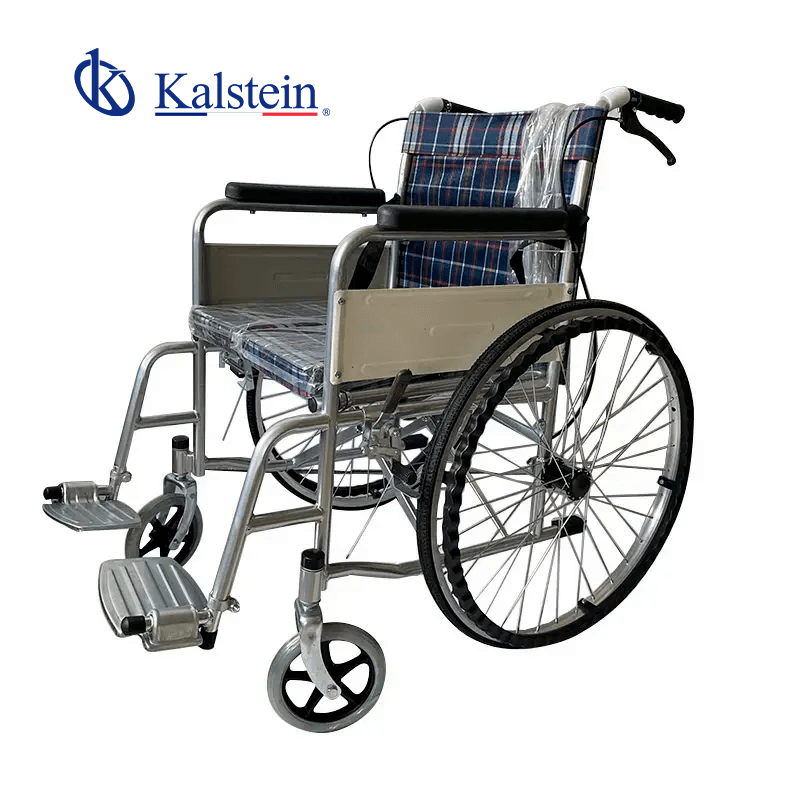
How to Implement Predictive Maintenance and Recommended Calibration for Manual Wheelchairs
In the realm of healthcare, ensuring the operational efficiency of equipment such as manual wheelchairs is paramount. Predictive maintenance coupled with periodic calibration not only enhances performance but also extends the lifespan of these vital mobility aids. This article delves into the significance of these practices, especially in the context of various manual wheelchair models.
Understanding Predictive Maintenance in Manual Wheelchairs
Predictive maintenance refers to the proactive approach of monitoring the condition of equipment to predict when maintenance should be performed. This strategy can significantly reduce downtime and repair costs while ensuring that manual wheelchairs, such as the Wheelchair Manual YR05450 and YR05451, remain in optimal condition. Implementing sensors to track wear and tear, as well as using data analytics to predict failures, are fundamental aspects of this approach.
The Role of Periodic Calibration in Healthcare Equipment
Calibration is the process of configuring a device to provide a result for a sample within an acceptable range. For manual wheelchairs, periodic calibration ensures that adjustments are made to components such as brakes and wheel alignment, guaranteeing the safety and comfort of users. Models like YR05452 and YR05454, which feature advanced braking systems, benefit significantly from routine calibration checks.
Benefits of Predictive Maintenance and Calibration
1. **Enhanced Safety**: Regular checks help identify potential issues before they lead to accidents. 2. **Reduced Costs**: Predictive maintenance minimizes emergency repairs and extends equipment life. 3. **Improved User Experience**: Well-maintained wheelchairs provide better comfort and mobility for users, promoting independence.
Comparison of Available Models
| Model | Weight Capacity (KG) | Seat Width (CM) | Seat Depth (CM) | Best for |
|---|---|---|---|---|
| YR05450 | 100 | 46 | 45 | General use |
| YR05451 | 100 | 44 | 39 | Indoor use |
| YR05452 | 100 | 42.5 | 39 | Travel purposes |
| YR05454 | 100 | 46 | 45 | Outdoor use |
| YR05456 | 100 | 45 | 41 | Adjustable needs |
Common Mistakes and How to Avoid Them
1. **Neglecting Regular Maintenance**: Failing to schedule routine checks can lead to unexpected breakdowns. Developing a maintenance calendar is essential. 2. **Ignoring Calibration**: Overlooking regular calibration can compromise safety. Adhere to manufacturers' recommendations for frequency. 3. **Using Incompatible Parts**: Ensure that any replacement parts used are compatible with the model, like using the proper brakes for YR05450.
Implementing a Calibration Plan
A successful calibration plan for manual wheelchairs should include: 1. **Frequency**: Set intervals based on usage intensity and specific model requirements (e.g., YR05456 may need more frequent checks due to adjustable features). 2. **Documentation**: Maintain records of calibration results and any adjustments made. 3. **Training**: Ensure staff are trained in calibration procedures specific to each model.
Frequently Asked Questions
What is the importance of predictive maintenance for manual wheelchairs?
Predictive maintenance for manual wheelchairs, like the Wheelchair Manual YR05451, is crucial as it anticipates potential failures, ensuring user safety and reducing unexpected repair costs.
How often should a manual wheelchair be calibrated?
Manual wheelchairs should ideally be calibrated every 6 months, or more frequently if used intensively, to maintain optimal performance, especially for models like YR05454.
Which manual wheelchair models are best for outdoor use?
Models like the Wheelchair Manual YR05454 and YR05452 are designed for outdoor use, featuring durable wheels and stability that enhance performance on uneven terrain.
What are the indicators that a manual wheelchair needs maintenance?
Signs that a manual wheelchair, such as YR05456, needs maintenance include unusual noises during use, difficulty in maneuvering, or visible wear on parts.
How can I ensure my manual wheelchair is safe for daily use?
To ensure safety, conduct regular checks on brakes, wheels, and frame integrity. Following a schedule tailored to the model, like YR05450, is essential.
What should be included in a calibration checklist for manual wheelchairs?
A calibration checklist for manual wheelchairs should include brake functionality, wheel alignment, and seat adjustments to ensure comfort and safety for users, particularly for models like YR05451.
How does predictive maintenance improve the lifespan of manual wheelchairs?
Predictive maintenance, through regular monitoring and timely interventions, can significantly enhance the lifespan of manual wheelchairs by preventing catastrophic failures, especially in models like YR05452.
What factors influence the frequency of calibration for manual wheelchairs?
Factors influencing calibration frequency include usage patterns, environmental conditions, and specific model characteristics. For instance, intensive use of YR05454 may necessitate more frequent checks.
If you are looking for a fusion of innovation and quality, you have come to the right place. At Kalstein, we offer you the luxury of exploring our exclusive catalog of laboratory equipment. We manufacture every device to the highest standards of excellence. Our intuitive and seamless online purchasing channels are designed for your convenience, securing the most competitive prices. Hesitate no longer — we bring science to life, it is time to become part of our community.