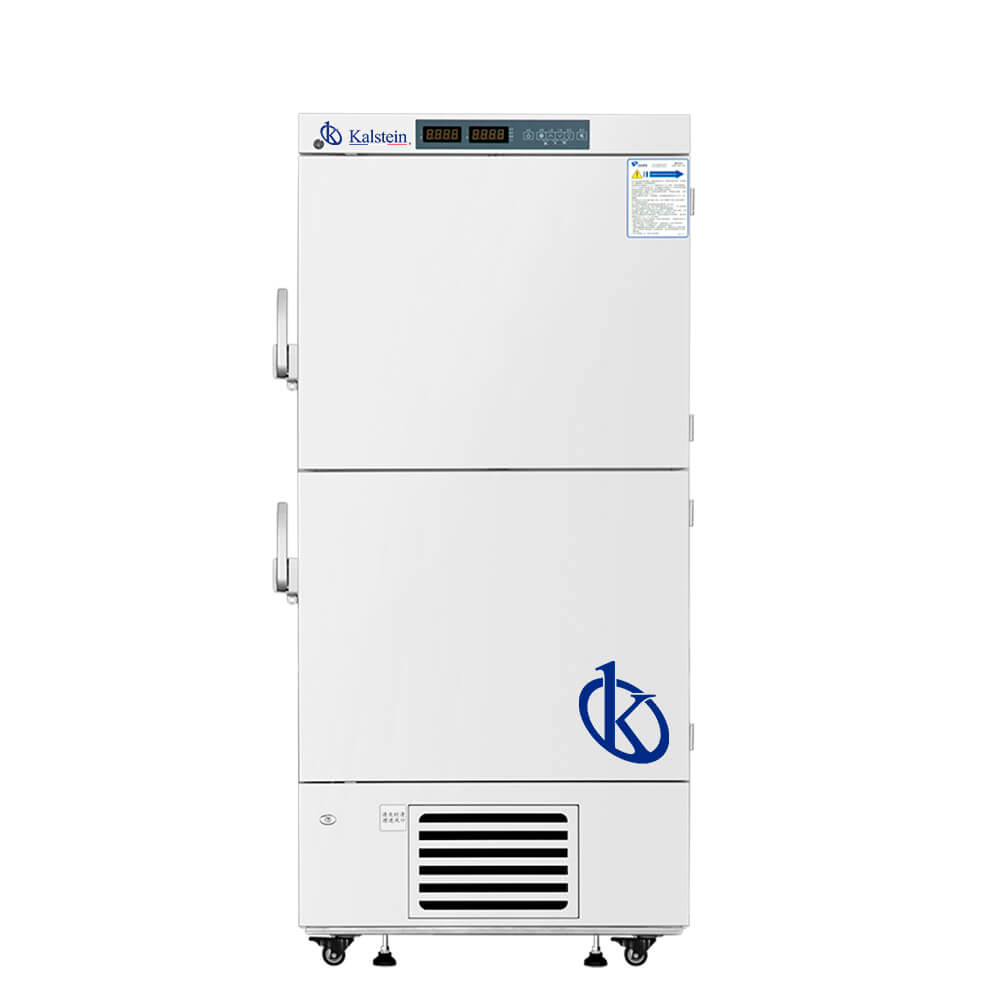
How to Implement Predictive Maintenance and Recommended Calibration for Low Temperature Freezers
Low Temperature Freezers are essential in laboratories for the preservation of samples at optimal conditions. They operate between -20°C to -40°C, making them ideal for storing biological samples, pharmaceuticals, and various reagents. To ensure their efficiency and reliability, it is crucial to implement predictive maintenance and adhere to a recommended calibration schedule. This article provides an in-depth exploration of these practices in the context of Low Temperature Freezers, specifically examining models such as YR05100, YR05309, and YR05311.
Understanding Predictive Maintenance in Low Temperature Freezers
Predictive maintenance is a proactive approach that utilizes data analysis tools and techniques to detect anomalies in equipment operation and potential defects. In the case of Low Temperature Freezers, this means monitoring performance indicators such as temperature stability, compressor efficiency, and energy consumption. By implementing predictive maintenance, laboratories can minimize downtime, extend the lifespan of the equipment, and reduce operational costs. Predictive maintenance strategies include regular performance assessments, analyzing operational data, and utilizing advanced monitoring systems.
Importance of Calibration for Low Temperature Freezers
Calibration is vital for ensuring that Low Temperature Freezers maintain desired temperature settings accurately. Inaccurate temperature readings can lead to sample degradation or loss, making regular calibration practices essential. Calibration should follow a defined schedule based on the manufacturer's recommendations and the specific usage conditions of each freezer model. Each model may require different calibration parameters to meet regulatory compliance standards such as ISO 17025.
Calibration Standards Relevant to Low Temperature Freezers
For laboratories, compliance with standards such as ISO 17025 is critical. This standard outlines the requirements for testing and calibration laboratories. To comply, Low Temperature Freezers must undergo regular calibration based on traceable standards. Calibration intervals can vary, but a common recommendation is to perform calibration every six months, or whenever significant changes in ambient conditions occur.
Key Features of Various Low Temperature Freezers
When evaluating Low Temperature Freezers, it is essential to consider features that enhance predictive maintenance and calibration practices. Below is a comparison of notable models:
Comparison of Available Models
| Model | Temperature Range (°C) | Cooling Method | Power Consumption (W) | Best For |
|---|---|---|---|---|
| YR05100 | -20 to -40 | Direct Cooling | 340 | Flexible storage with adjustable shelves |
| YR05309 | -20 to -40 | Direct Cooling | 310 | Medical supplies with multiple alarms |
| YR05311 | -10 to -25 | Direct Cooling | 300 | Laboratory samples in dual chambers |
Common Mistakes and How to Avoid Them
One common mistake in managing Low Temperature Freezers is neglecting regular maintenance and calibration schedules. Laboratories often overlook the importance of following manufacturers' guidelines, which can lead to equipment failure and compromised sample integrity. To avoid this, establish a detailed schedule for maintenance checks and calibrations. Additionally, ensure staff are trained to monitor alarm systems and understand the operational parameters of each freezer model.
Implementing a Calibration Plan for Low Temperature Freezers
Establishing a calibration plan involves defining the frequency of calibrations based on usage and environmental conditions. A suggested calibration plan includes:
- Monthly checks of temperature readings using calibrated thermometers.
- Documentation of calibration results for traceability.
- Assessing environmental conditions that may affect performance.
Frequently Asked Questions
What calibration intervals should I follow for my Low Temperature Freezer YR05100?
The YR05100 model recommends calibration every six months to ensure optimal temperature control within its -20 to -40°C range. Regular checks are vital to maintain compliance with standards like ISO 17025.
How can predictive maintenance benefit my laboratory using Low Temperature Freezers?
Predictive maintenance for Low Temperature Freezers, such as the YR05309, helps in identifying potential issues before they lead to breakdowns, thereby saving costs and ensuring sample integrity. Regular performance monitoring is essential.
Which Low Temperature Freezer model is best for medical supplies storage?
The YR05309 is specifically designed for medical supplies storage with features like multiple alarms and energy efficiency, ensuring safe storage conditions and compliance with health regulations.
How do I ensure my Low Temperature Freezer is compliant with calibration standards?
To ensure compliance, perform regular calibrations according to a defined schedule and maintain records that demonstrate adherence to standards such as ISO 17025. This is crucial for models like YR05311.
What are the main benefits of using Low Temperature Freezers over other storage methods?
Low Temperature Freezers provide reliable and precise temperature control, reducing the risk of sample degradation. Models like YR05100 offer flexible storage and are ideal for laboratories that require stringent temperature management.
How often should Low Temperature Freezers be serviced for optimal performance?
Low Temperature Freezers should be serviced at least once a year, but more frequent checks may be required depending on usage intensity, especially for models like YR05309 that handle critical medical supplies.
What should I monitor during predictive maintenance of my Low Temperature Freezers?
During predictive maintenance, monitor temperature stability, compressor performance, and energy consumption. Utilizing data analytics tools can help in identifying trends and potential issues in models like YR05311.
How can I optimize energy consumption in my Low Temperature Freezer?
Optimize energy consumption by regularly maintaining the unit, ensuring door seals are intact, and monitoring temperature settings. The YR05309 model is designed for energy efficiency, making it a practical choice for cost reduction.
If you are looking for a fusion of innovation and quality, you have come to the right place. At Kalstein, we offer you the luxury of exploring our exclusive catalog of laboratory equipment. We manufacture every device to the highest standards of excellence. Our intuitive and seamless online purchasing channels are designed for your convenience, securing the most competitive prices. Hesitate no longer — we bring science to life, it is time to become part of our community.