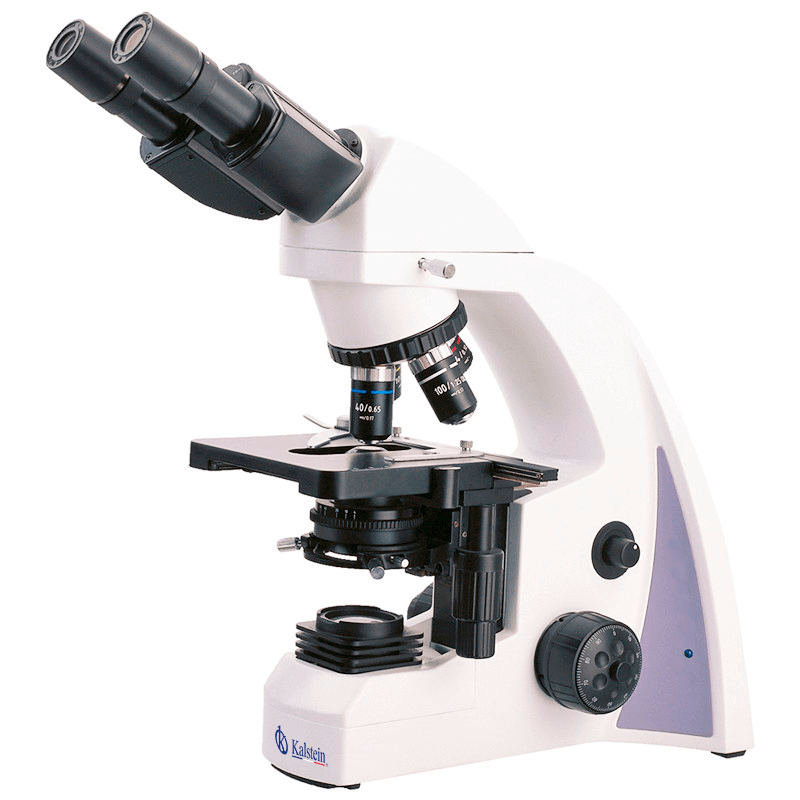
How to Implement Predictive Maintenance and Recommended Calibration for Laboratory Microscopes?
Laboratory microscopes are essential tools in various scientific fields, including biology, chemistry, and material science. Ensuring their optimal performance through predictive maintenance and recommended calibration is crucial for achieving reproducible and reliable results. This article delves into effective strategies for implementing these practices across multiple microscope models, ensuring compliance with industry standards, enhancing operational efficiency, and extending the lifespan of your equipment.
Understanding Predictive Maintenance for Laboratory Microscopes
Predictive maintenance is a proactive approach that involves monitoring the condition of laboratory microscopes to predict when maintenance should be performed. This approach aims to minimize downtime and avoid unexpected failures. Key aspects include tracking performance metrics, analyzing wear and tear, and scheduling interventions based on actual conditions rather than predefined intervals.
Key Techniques in Predictive Maintenance
Several techniques can be utilized to implement predictive maintenance for laboratory microscopes:
- Condition Monitoring: Using sensors to monitor parameters such as vibration, temperature, and humidity.
- Performance Data Analysis: Analyzing historical performance data to identify patterns and predict failures.
- Scheduled Inspections: Regular inspections based on usage metrics rather than fixed schedules.
- Calibration Monitoring: Keeping track of calibration status and scheduling checks based on performance.
Recommended Calibration Practices for Laboratory Microscopes
Calibration is vital for ensuring that laboratory microscopes provide accurate and reliable results. Regular calibration allows users to maintain compliance with various standards and enhances the validity of experimental data. Different models may have specific calibration requirements, but certain general practices apply across the board.
Calibration Intervals and Techniques
Laboratory microscopes should be calibrated regularly to maintain their accuracy:
- Frequency: Calibration intervals depend on usage intensity; heavy usage might necessitate monthly calibration, while occasional use could warrant quarterly checks.
- Standardized Procedures: Use manufacturer-recommended procedures and calibration standards, such as ISO/IEC standards, for accuracy.
- Documentation: Maintain a calibration log to track the history and results of calibrations performed.
Comparison of Available Models
| Model Code | Specifications | Best For |
|---|---|---|
| YR0237-0-1 | Binocular head, WF 10x/18 mm eyepieces, Infinity semi-plan achromat objectives | Routine laboratory applications requiring moderate magnification |
| YR0237-1 | Binocular head, adjustable N.A 1.25 condenser, dual-layer mechanical stage | Complex sample analysis with detailed imaging needs |
| YR0237-1-1 | Similar to YR0237-1 with slight enhancements for specialized tasks | Advanced microscopy applications needing precision adjustments |
Common Mistakes and How to Avoid Them
When implementing predictive maintenance and calibration practices, laboratories often make common mistakes that can hinder performance. Being aware of these pitfalls can help ensure successful operations.
- Neglecting Documentation: Always document maintenance and calibration activities to maintain a clear history.
- Ignoring Manufacturer Guidelines: Always follow the manufacturer’s recommendations for calibration frequency and methods.
- Overlooking User Training: Ensure all personnel are thoroughly trained in maintenance and calibration procedures to avoid errors.
Frequently Asked Questions
What are the best practices for calibrating the Laboratory Microscope YR0237-0-1?
Calibrating the Laboratory Microscope YR0237-0-1 involves following the manufacturer’s recommended procedures, which include checking optical alignment and verifying magnification accuracy at regular intervals, ideally monthly for high-usage environments.
How often should I perform predictive maintenance on my Laboratory Microscope YR0237-1?
For the Laboratory Microscope YR0237-1, predictive maintenance should be performed based on usage patterns. Regular checks every two months are recommended, but intensive use may require monthly inspections to ensure optimal performance.
What calibration standards should be applied to the Laboratory Microscope YR0237-1-1?
Calibration of the Laboratory Microscope YR0237-1-1 should adhere to ISO 17025 standards, focusing on measurement accuracy and traceability, ensuring compliance in laboratory environments.
How do I ensure compliance with calibration for my Fluid Handling Pipettes YR03731-3?
Ensuring compliance for Fluid Handling Pipettes YR03731-3 involves calibrating against ISO 8655 standards, maintaining a log of calibration results, and conducting checks every three months to uphold precision in liquid handling.
What factors should I consider for a predictive maintenance strategy in laboratory microscopes?
Key factors for a predictive maintenance strategy include the microscope usage frequency, environmental conditions, historical performance data, and specific calibration requirements for models like YR0237-0-1, which may need tailored approaches based on their applications.
How does predictive maintenance reduce costs for laboratory microscope operations?
Predictive maintenance reduces costs by minimizing unexpected failures and downtime, thus extending the life of laboratory microscopes like YR0237-1 and lowering overall maintenance expenses in the long run.
What is the significance of calibration frequency for Laboratory Microscope YR0237-1?
Calibration frequency for Laboratory Microscope YR0237-1 is significant as it ensures measurement accuracy, compliance with industry standards, and reliability of results, which are critical for scientific integrity in lab operations.
How can I implement a maintenance log for my laboratory microscopes?
Implementing a maintenance log for laboratory microscopes involves documenting each maintenance action, including dates, performed tasks, results, and any calibration actions taken, especially for models like YR0237-1-1, to track performance over time.
If you are looking for a fusion of innovation and quality, you have come to the right place. At Kalstein, we offer you the luxury of exploring our exclusive catalog of laboratory equipment. We manufacture every device to the highest standards of excellence. Our intuitive and seamless online purchasing channels are designed for your convenience, securing the most competitive prices. Hesitate no longer — we bring science to life, it is time to become part of our community.