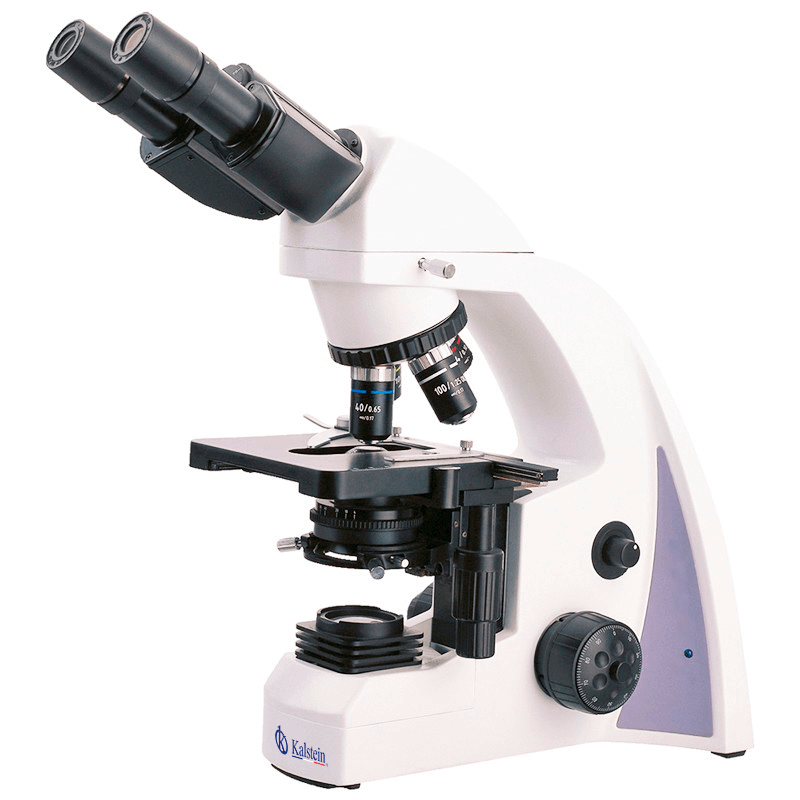
Understanding Predictive Maintenance and Recommended Calibration for Laboratory Equipment
In a laboratory environment, ensuring the reliability and accuracy of equipment is paramount. Predictive maintenance and timely calibration are essential strategies that not only enhance the performance of laboratory instruments but also ensure compliance with industry standards. This article delves into the importance of these practices, especially in relation to various models of laboratory equipment.
The Need for Predictive Maintenance in Laboratories
Predictive maintenance is the practice of monitoring equipment and analyzing data to predict when a failure might occur. In laboratory settings, this is crucial for minimizing downtime and maintaining workflow efficiency. Implementing predictive maintenance strategies can extend the lifespan of equipment, reduce repair costs, and ensure consistent performance. It emphasizes scheduled checks and using data analytics to forecast potential issues.
Recommended Calibration Practices for Laboratory Instruments
Calibration is the process of configuring an instrument to provide a result for a sample within an acceptable range. Regular calibration ensures that laboratory equipment operates within specified tolerances, which is essential for accurate and reliable results. Calibration should align with regulatory standards such as ISO 17025, which outlines the requirements for testing and calibration laboratories. Establishing a calibration schedule based on manufacturer recommendations and usage frequency is vital.
Comparison of Available Models
| Model Code | Calibration Frequency | Best for | Predictive Maintenance Features |
|---|---|---|---|
| YR0237-0-1 | Annually | Routine Laboratory Use | Data Logging Capabilities |
| YR0237-1 | Annually | Research and Development | Real-Time Monitoring |
| YR0237-1-1 | Biannually | Advanced Microscopy | Predictive Alerts |
| YR03731-1 | Quarterly | Precision Liquid Handling | Calibration Alerts |
| YR03731-2 | Quarterly | General Laboratory Use | Operational History Logging |
| YR03731-3 | Quarterly | High Throughput Labs | Usage Analytics |
Common Mistakes and How to Avoid Them
One prevalent mistake in laboratories is neglecting the importance of routine maintenance schedules and calibration. Failing to adhere to recommended practices can lead to significant equipment downtime and inaccurate results. To avoid these pitfalls, laboratories should establish a clear maintenance and calibration schedule that aligns with equipment usage and regulatory requirements. Regular training for staff on the importance of these practices is also essential.
Predictive Maintenance Strategies
Implementing effective predictive maintenance involves several strategies, including condition monitoring, trend analysis, and utilizing predictive analytics tools. Condition monitoring can include regular inspections and using sensors to gather performance data. Trend analysis involves assessing historical performance data to identify patterns that may indicate potential issues. By integrating predictive analytics, laboratories can optimize maintenance schedules and reduce unexpected equipment failures.
Calibration Standards and Compliance
Calibration must adhere to established standards to ensure compliance with regulations such as ISO 17025. This standard outlines the requirements for testing and calibration laboratories, emphasizing the need for documented procedures, traceability of measurements, and valid calibration intervals. Each model, such as the YR0237 series, must undergo calibration in accordance with these standards to maintain its reliability and performance.
Technological Innovations in Predictive Maintenance
Advancements in technology have significantly influenced predictive maintenance practices. IoT devices, for example, allow for real-time data collection and monitoring of laboratory equipment. This data can then be analyzed using machine learning algorithms to predict equipment failures. Moreover, cloud-based platforms can store vast amounts of data, facilitating easier access and analysis, which enhances the predictive maintenance efforts in laboratories.
Frequently Asked Questions
What are the key benefits of predictive maintenance for laboratory equipment?
Predictive maintenance improves equipment reliability and extends service life by predicting failures before they occur. For instance, with the YR0237-0-1 model, regular data analysis can alert users to potential issues, thereby reducing unexpected downtimes and maintenance costs.
How often should I calibrate my laboratory instruments to comply with ISO 17025?
Calibration frequency often depends on the type of instrument and its usage. Generally, instruments like the YR03731-1 pipette should be calibrated quarterly to meet ISO 17025 standards, ensuring accurate results and compliance with regulatory requirements.
Which models of laboratory equipment are best for predictive maintenance practices?
Models like the YR0237-1-1 are equipped with features such as predictive alerts and operational logging, making them ideal for predictive maintenance practices. These features help in identifying potential issues before they lead to equipment failure.
How do I create an effective calibration schedule for my lab instruments?
To create an effective calibration schedule, first assess the manufacturer's recommendations and usage frequency of each instrument. For example, the YR03731-2 should undergo calibration every quarter, ensuring optimal performance and adherence to laboratory standards.
What tools can help monitor laboratory equipment for predictive maintenance?
IoT devices and predictive analytics software are valuable tools for monitoring laboratory equipment. These technologies provide data insights that can predict maintenance needs, such as with the YR0237 series, which can be integrated with monitoring systems for efficiency.
What common mistakes should be avoided in laboratory calibration?
Common mistakes include neglecting the calibration schedule and failing to document results adequately. For instance, not calibrating the YR03731-3 pipette quarterly may lead to inaccurate results, impacting laboratory operations.
How does predictive maintenance impact overall laboratory productivity?
Predictive maintenance enhances laboratory productivity by minimizing unexpected downtimes and ensuring equipment is always functional. By utilizing models like the YR03731 series, laboratories can streamline operations and focus on their core tasks without interruptions.
What certification standards should my laboratory instruments meet for calibration?
Laboratory instruments should meet ISO 17025 standards for calibration, which include requirements for traceability, documentation, and measurement uncertainty. Ensuring compliance with these standards is crucial for models like the YR0237-0-1 to deliver accurate results.
If you are looking for a fusion of innovation and quality, you have come to the right place. At Kalstein, we offer you the luxury of exploring our exclusive catalog of laboratory equipment. We manufacture every device to the highest standards of excellence. Our intuitive and seamless online purchasing channels are designed for your convenience, securing the most competitive prices. Hesitate no longer — we bring science to life, it is time to become part of our community.