How to Implement Predictive Maintenance and Calibration for Hematology Reagents
In clinical laboratories, hematology reagents play a crucial role in ensuring accurate and reliable test results. Regular calibration and predictive maintenance of these reagents not only optimize performance but also comply with industry standards. This article delves into effective strategies for implementing predictive maintenance and regular calibration for hematology reagents, ensuring your laboratory operates smoothly and efficiently.
Overview of Hematology Reagents and Their Importance
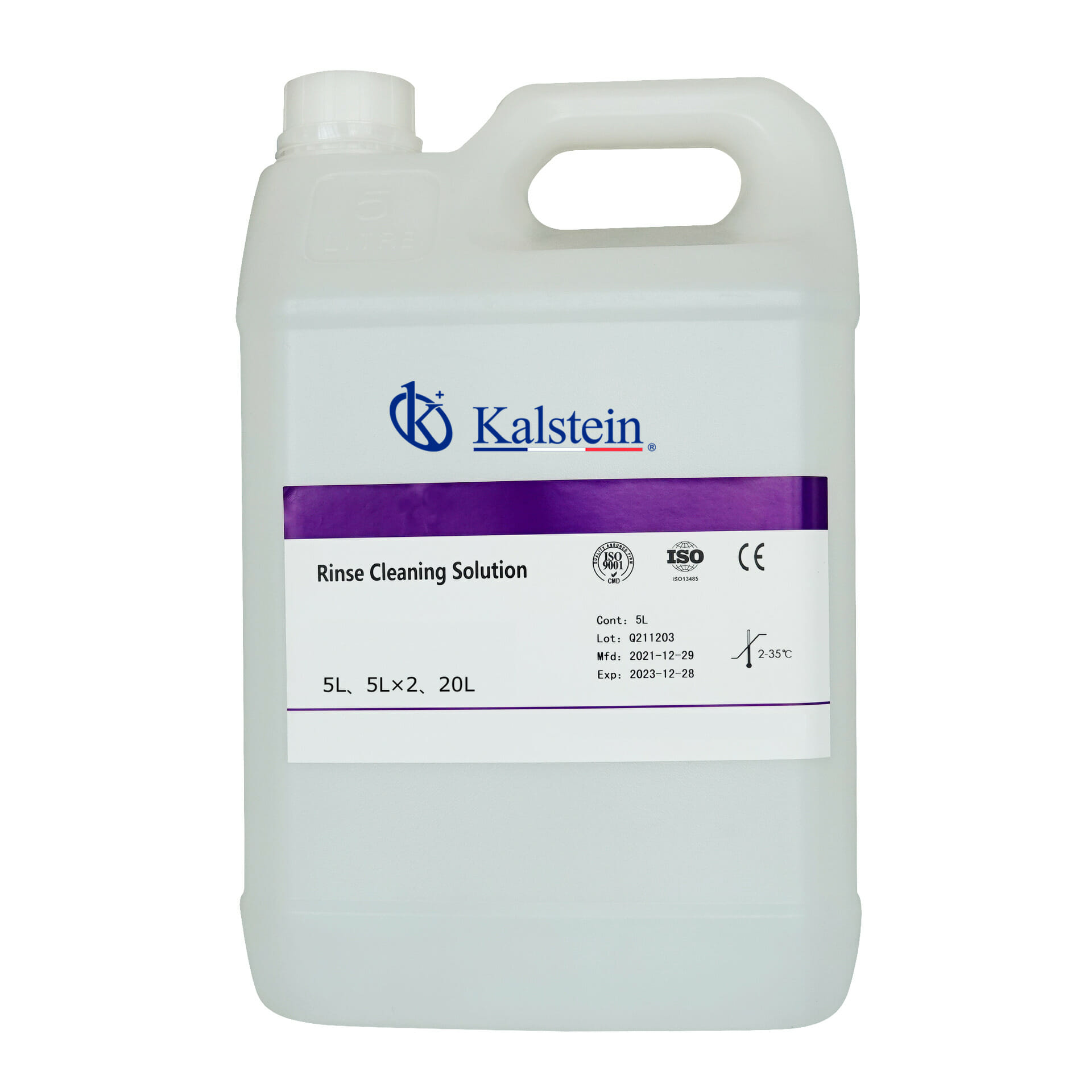
Hematology reagents, such as the Hematological Reagents YRA45, YRA46, and YRA47, are essential for analyzing blood components. They facilitate the detection of various blood cells and hemoglobin concentrations, which are vital in diagnosing diseases. Understanding the importance of these reagents lays the foundation for the necessity of predictive maintenance and calibration.
Understanding Predictive Maintenance
Predictive maintenance involves using data and analytics to predict equipment failures before they occur. In the context of hematology reagents, this means regularly monitoring their performance and condition. For example, the Hematological Reagents YRA50, which acts as a diluent, requires consistent checks for its efficacy in ensuring accurate test results. By implementing sensors and diagnostics, labs can predict when maintenance is needed, thus avoiding unexpected downtimes.
The Role of Calibration in Laboratory Precision
Calibration is the process of verifying that an instrument produces accurate results by comparing it against a standard. For hematology reagents, routine calibration ensures that tests remain reliable. For instance, the Hematological Reagents YRA46, which is a lyse solution, should be calibrated regularly to maintain its effectiveness in lysing red blood cells accurately. This consistency directly affects the results generated by hematology analyzers.
Key Standards Guiding Calibration and Maintenance
Compliance with international standards such as ISO 17025 ensures laboratories maintain high levels of quality and accuracy. This standard outlines the requirements for testing and calibration laboratories, emphasizing the need for regular maintenance and calibration of equipment and reagents. Regularly calibrating hematology reagents like YRA48 can help laboratories meet these standards and enhance their credibility.
Calibration Intervals for Hematology Reagents
Establishing an effective calibration schedule is vital for operational success. Typically, calibration should be performed after a set number of tests, or when reagents are changed, or on a monthly basis. For instance, YRA49, as a probe cleaner, should be calibrated to ensure that it maintains the equipment’s cleanliness and accuracy.
Implementing a Predictive Maintenance Plan
Creating a predictive maintenance plan involves several steps, including defining maintenance strategies, scheduling checks, and training staff on the importance of these tasks. For example, using data analytics tools can help track the usage and performance of hematology reagents like YRA51, allowing labs to schedule timely maintenance tasks.
Benefits of Predictive Maintenance and Calibration
The benefits of predictive maintenance and calibration are significant. These practices lead to increased equipment lifespan, reduced downtime, and enhanced accuracy of test results. For instance, hematology reagents like YRA57, which are critical in cell detection, will perform optimally when regularly maintained and calibrated, ultimately benefiting patient care.
Common Mistakes and How to Avoid Them
One common mistake laboratories make is neglecting to regularly check the calibration of their reagents. This can lead to inaccurate results and noncompliance with quality standards. To avoid this, laboratories should establish strict protocols for regular maintenance checks and incorporate a checklist for when each reagent was last calibrated.
Comparison of Available Models
| Model Code | Type | Volume | Best For |
|---|---|---|---|
| YRA45 | Diluent | 20L | General hematology analysis |
| YRA46 | Lyse | 500 ml | Analyzing blood components |
| YRA47 | Clarifier | 5L, 20L | Sample preparation |
| YRA48 | EZ Cleaner | 100 ml | Maintaining analyzer cleanliness |
| YRA49 | Probe Cleaner | 50 ml | Preventing contamination |
| YRA50 | Diluent | 20L | General use |
Frequently Asked Questions
What are the calibration requirements for hematology reagents in clinical settings?
Calibration requirements for hematology reagents, such as YRA46, typically involve using certified standards and performing checks at defined intervals. This ensures compliance with ISO 17025 standards, critical for maintaining accurate results in clinical settings.
How often should hematology reagents be calibrated for optimal performance?
Hematology reagents like YRA45 should be calibrated regularly, typically after every 100 tests or at least once a month. This frequency ensures that the reagents maintain their effectiveness and accuracy in blood analysis.
What benefits does predictive maintenance provide for hematology reagents?
Predictive maintenance helps avoid equipment failures by anticipating maintenance needs based on usage data. For reagents like YRA49, this means ensuring that cleaning solutions are effective, thereby maintaining the integrity of test results and enhancing operational efficiency.
How can I ensure compliance with ISO standards for reagent calibration?
To ensure compliance with ISO standards, laboratories should implement regular calibration schedules for hematology reagents like YRA48 and maintain detailed logs of calibration activities. This documentation is essential for audits and quality control.
What role does training staff play in the calibration of hematology reagents?
Training staff is crucial in maintaining the calibration of hematology reagents such as YRA50. Well-trained personnel can more effectively monitor reagent performance and follow established protocols, reducing the risk of errors.
How does predictive maintenance impact laboratory operations?
Predictive maintenance can significantly enhance laboratory operations by minimizing downtime and ensuring that hematology reagents, like YRA57, are always effective. This leads to more reliable patient results and increased laboratory productivity.
What are common mistakes in maintaining hematology reagents?
Common mistakes include infrequent calibration and failure to document maintenance activities. For effective use of reagents such as YRA46, laboratories must adhere to regular maintenance schedules and keep accurate records for compliance and quality assurance.
Why is regular calibration essential for hematology analyzers?
Regular calibration is essential for hematology analyzers to ensure accurate measurements are obtained from reagents like YRA49. Inaccurate calibration can lead to misdiagnosis and affect patient care, making regular checks vital.
If you are looking for a fusion of innovation and quality, you have come to the right place. At Kalstein, we offer you the luxury of exploring our exclusive catalog of laboratory equipment. We manufacture every device to the highest standards of excellence. Our intuitive and seamless online purchasing channels are designed for your convenience, securing the most competitive prices. Hesitate no longer — we bring science to life, it is time to become part of our community.