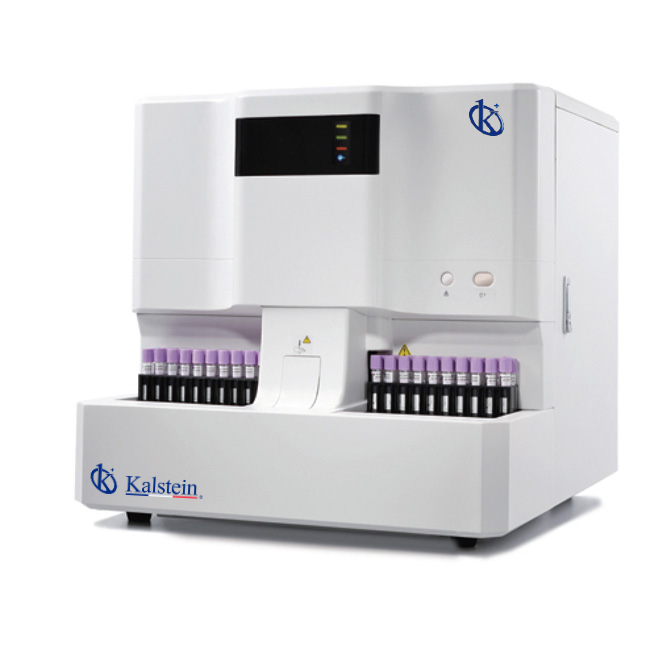
How to Implement Predictive Maintenance and Recommended Calibration for Hematology Analyzers
In modern laboratories, the performance and reliability of hematology analyzers are crucial for accurate diagnostics and patient care. Implementing predictive maintenance and adhering to recommended calibration practices are essential strategies that ensure these technologies operate at optimal levels. This article explores the importance of these concepts, detailing how they can enhance efficiency and accuracy in laboratory settings.
Understanding Predictive Maintenance in Hematology Analyzers
Predictive maintenance involves anticipating equipment failures before they occur by monitoring performance and analyzing data. For hematology analyzers such as the Automatic Hematology Analyzer YR06080 and YR05123, predictive maintenance can significantly reduce downtime and improve workflow efficiency.
Key components of a predictive maintenance strategy include:
- Data Collection: Continuous monitoring of operational parameters such as temperature, humidity, and error rates.
- Data Analysis: Utilizing statistical models and algorithms to predict when maintenance is needed.
- Scheduled Maintenance: Planning maintenance during low-demand periods to minimize disruptions.
By employing predictive maintenance, laboratories can enhance the longevity of their hematology analyzers and ensure consistent quality in test results.
Importance of Regular Calibration
Regular calibration of hematology analyzers is vital to maintain accuracy and compliance with industry standards. Calibration helps identify any deviations in performance, ensuring that analyzers like the YR05122-1 and YR05122 meet specified measurement criteria.
Calibration should be performed based on the following:
- Manufacturer Recommendations: Adhering to the calibration schedule recommended by the manufacturer ensures adherence to specifications.
- Quality Control Protocols: Regular quality control testing helps identify the need for calibration and assures compliance with standards such as ISO 15189.
- Traceability: Ensuring that calibration is traceable to national or international standards maintains the accuracy and reliability of test results.
Implementing a systematic calibration plan strengthens the integrity of laboratory operations and enhances trust in hematological diagnostics.
Predictive Maintenance Strategies for Hematology Analyzers
To effectively implement predictive maintenance for hematology analyzers, laboratories should consider the following strategies:
- Parameter Monitoring: Regularly monitor key performance indicators (KPIs) such as Mean Time Between Failures (MTBF) and Mean Time To Repair (MTTR) to gauge the health of the analyzers.
- Data Utilization: Leverage software tools that collect and analyze performance data from the analyzers. Such tools can provide insights into usage patterns and trigger alerts for necessary maintenance.
- Training and Awareness: Train laboratory personnel to recognize early warning signs of equipment issues and ensure they understand the importance of predictive maintenance.
By integrating these strategies, laboratories can significantly reduce the incidence of unexpected equipment failures and enhance testing reliability.
Recommended Calibration Schedules for Hematology Analyzers
Establishing a recommended calibration schedule is essential for maintaining the accuracy of hematology analyzers. The following table illustrates typical calibration frequencies based on model specifications:
| Model | Calibration Frequency | Key Parameters |
|---|---|---|
| YR06080 | Weekly | 28 parameters, 2 histograms |
| YR05123 | Biweekly | 60 samples/hour, WBC mapping |
| YR05122-1 | Monthly | 29 parameters, 3 histograms |
| YR05122 | Monthly | 23 parameters, low sample consumption |
| YR05121 | Monthly | 23 parameters, performance tracking |
| YR05120 | Quarterly | 20 parameters, historical data storage |
This calibration schedule promotes consistent analyzer performance and aligns with recommended industry practices.
Comparison of Available Models
| Model | Calibration Features | Predictive Maintenance Capability | Best for |
|---|---|---|---|
| YR06080 | Automated, traceable to ISO 17025 | Advanced monitoring tools available | High-demand laboratories |
| YR05123 | Manual/automated calibration modes | Basic monitoring features | Routine blood testing |
| YR05122-1 | Comprehensive traceability | Integrates predictive tools | Research-focused labs |
| YR05122 | Standard calibration procedures | Minimal alerts | Small to mid-sized labs |
| YR05121 | Integrated calibration system | Moderate monitoring | Multi-user environments |
| YR05120 | Scheduled manual calibration | Basic predictive maintenance | Entry-level labs |
This comparison demonstrates the varying capabilities of each model, helping laboratories make informed decisions based on their specific needs.
Common Mistakes and How to Avoid Them
When implementing predictive maintenance and calibration practices, laboratories often encounter common pitfalls. Here are some mistakes to avoid:
- Neglecting Data Analysis: Failing to analyze operational data can lead to unexpected downtime and inefficiency. Utilize data analytics to regularly assess performance.
- Ignoring Manufacturer Recommendations: Not adhering to the calibration schedules recommended by manufacturers can jeopardize accuracy. Always follow the suggested timelines for maintenance.
- Inadequate Staff Training: Lack of training can lead to improper handling of analyzers. Ensure all personnel are adequately trained on equipment use and maintenance protocols.
By avoiding these mistakes, laboratories can enhance their operational efficiency and maintain high standards of quality in hematological testing.
Frequently Asked Questions
What are the key benefits of predictive maintenance for hematology analyzers?
Predictive maintenance minimizes unexpected failures, specifically for models like the YR06080, by allowing labs to schedule maintenance based on performance data. This leads to improved uptime and reliability, enhancing overall efficiency in hematology diagnostics.
How often should I calibrate my hematology analyzers for optimal performance?
Calibration frequency varies by model; for instance, the YR05123 should be calibrated biweekly while the YR05122 requires monthly checks. Regular calibration ensures the accuracy of test results and compliance with industry standards.
What parameters should I monitor for effective predictive maintenance in analyzers?
Key parameters include MTBF and MTTR. For example, monitoring these metrics for the YR05121 allows labs to anticipate issues and reduce downtime effectively, ensuring seamless lab operations.
Which calibration standards should I follow for hematology analyzers?
It is essential to follow ISO 17025 calibration standards. Adhering to these standards ensures that models like the YR05122-1 maintain reliable performance and meet quality control requirements.
What are the consequences of not calibrating hematology analyzers regularly?
Neglecting regular calibration can lead to inaccurate results and compliance issues. For instance, if the YR06080 is not calibrated properly, it may produce erroneous data, which can severely impact patient diagnosis and treatment.
How can predictive maintenance improve laboratory efficiency?
Predictive maintenance identifies potential issues before they lead to failures, significantly improving efficiency. For example, with the YR05120, labs can optimize workflows and minimize equipment downtime, resulting in better productivity.
What is the best practice for training staff on analyzer maintenance?
Best practices include hands-on training workshops and regular refresher courses. Ensuring staff is well-versed in managing equipment like the YR05122 ensures proper maintenance and adherence to protocols, enhancing lab reliability.
How to integrate predictive maintenance tools with hematology analyzers?
Integration of predictive maintenance tools typically involves utilizing software that interfaces with models like the YR05123. This software can collect data, analyze performance, and provide alerts for necessary maintenance, enhancing operational efficiency.
If you are looking for a fusion of innovation and quality, you have come to the right place. At Kalstein, we offer you the luxury of exploring our exclusive catalog of laboratory equipment. We manufacture every device to the highest standards of excellence. Our intuitive and seamless online purchasing channels are designed for your convenience, securing the most competitive prices. Hesitate no longer — we bring science to life, it is time to become part of our community.