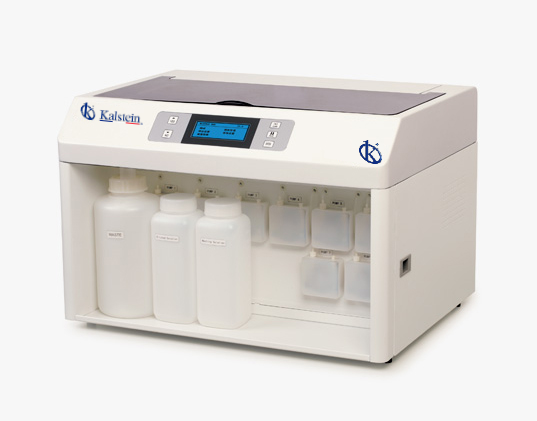
How to Implement Predictive Maintenance and Recommended Calibration for Food Safety Analyzers
In the demanding field of food safety, the reliability and accuracy of analyzers play a crucial role in ensuring compliance and protecting public health. As laboratories adopt modern technologies, the focus on predictive maintenance and regular calibration has become essential. This article delves into the best practices and strategies for maintaining food safety analyzers to enhance laboratory efficiency and accuracy.
Understanding Predictive Maintenance for Food Safety Analyzers
Predictive maintenance involves monitoring the condition of equipment and predicting failures before they occur. In food safety labs, this approach helps minimize downtime and maintain the integrity of testing processes. By implementing predictive maintenance strategies, laboratories can ensure that their food safety analyzers operate at optimum levels, thus safeguarding test results.
Importance of Regular Calibration in Food Safety Analysis
Calibration is critical to ensuring that food safety analyzers produce accurate and reliable results. Regular calibration against known standards ensures that any deviations are addressed, maintaining the analyzer's precision. The necessity for calibration arises from factors such as wear and tear, environmental changes, and the specific analytical methods employed.
Predictive Maintenance Strategies for Food Safety Analyzers
To effectively implement predictive maintenance for food safety analyzers, laboratories should consider the following strategies:
- Condition Monitoring: Utilize sensors and software to monitor key parameters such as temperature, humidity, and performance metrics in real time.
- Data Analysis: Leverage historical data to identify patterns and predict potential failures, using techniques such as statistical process control (SPC).
- Scheduled Inspections: Establish a routine schedule for inspections and maintenance tasks, ensuring that all components are functioning as expected.
Recommended Calibration Intervals for Food Safety Analyzers
Calibration intervals depend on the specific analyzer model and its operational environment. Generally, it is recommended to calibrate food safety analyzers at the following intervals:
- Automated Unique Immunology Analyzer YR06090: Every 30 days to ensure consistent performance across multiple testing protocols.
- Food Safety Analyzer YR06089: Recommended calibration every 60 days for optimal detection of pesticide and antibiotic residues.
- Analyzer and Microplate Incubator Shaker YR06093: Calibration every 90 days, ensuring accurate incubation and shaking conditions for reliable results.
Comparison of Available Models
| Model | Calibration Interval | Key Features | Best For |
|---|---|---|---|
| YR06090 | 30 days | Processes up to 40 strips with high precision dispensing | High-demand laboratories needing automation |
| YR06089 | 60 days | Handles 96 tests, ideal for pesticide and antibiotic detection | Food safety screenings in varied environments |
| YR06093 | 90 days | Combines incubation and shaking for reliable analysis | Laboratories requiring accurate temperature management |
Common Mistakes and How to Avoid Them
Implementing predictive maintenance and calibration protocols can be a complex process. Here are common pitfalls to avoid:
- Neglecting Data Collection: Failing to collect and analyze operational data can lead to unpredicted failures. Ensure consistent data logging for better insights.
- Ignoring Calibration Records: Not keeping proper records of calibration can result in accountability issues. Maintain detailed logs for compliance audits.
- Underestimating User Training: Personnel must be trained on both operation and maintenance protocols to reduce human error. Regular training sessions are essential.
Frequently Asked Questions
What are the key benefits of predictive maintenance for food safety analyzers?
Adopting predictive maintenance for food safety analyzers like the YR06090 can significantly reduce downtime and enhance testing accuracy. This proactive approach minimizes unexpected failures and ensures that the analyzer remains operational, thus maintaining consistent quality control in food safety testing.
How often should food safety analyzers be calibrated for optimal performance?
Calibration frequency varies by model. For instance, the YR06089 should be calibrated every 60 days to ensure accurate detection of contaminants. Regular calibration helps maintain compliance with industry standards and protects public health.
What are the common calibration standards for food safety analyzers?
Common calibration standards for food safety analyzers include ISO/IEC 17025 compliance, ensuring that equipment operates within specified limits. Models like YR06093 adhere to these standards, providing laboratories with confidence in their testing results.
How can laboratories ensure the accuracy of results from food safety analyzers?
To ensure accuracy, laboratories should implement a strict calibration schedule and engage in regular predictive maintenance. Utilizing models such as YR06090 allows for high precision and reliability, essential for effective food safety testing.
Which predictive maintenance strategies are most effective for food safety analyzers?
Effective strategies include condition monitoring using IoT devices and data analysis for predictive insights. For example, using sensors with the YR06089 can help in identifying potential issues before they affect testing capabilities.
What role does operator training play in the maintenance of food safety analyzers?
Operator training is crucial for the effective maintenance of food safety analyzers. Properly trained personnel can identify issues quickly and perform necessary calibrations, thus ensuring instruments like the YR06093 operate efficiently and reliably.
How can laboratories reduce costs associated with calibration and maintenance?
To reduce costs, laboratories can schedule routine maintenance and calibration to align with operational schedules, minimizing downtime. Implementing models such as the YR06089 allows for efficient testing processes that can help lower overall operational expenses.
If you are looking for a fusion of innovation and quality, you have come to the right place. At Kalstein, we offer you the luxury of exploring our exclusive catalog of laboratory equipment. We manufacture every device to the highest standards of excellence. Our intuitive and seamless online purchasing channels are designed for your convenience, securing the most competitive prices. Hesitate no longer — we bring science to life, it is time to become part of our community.