How to Implement Predictive Maintenance and Regular Calibration in Environmental Chambers
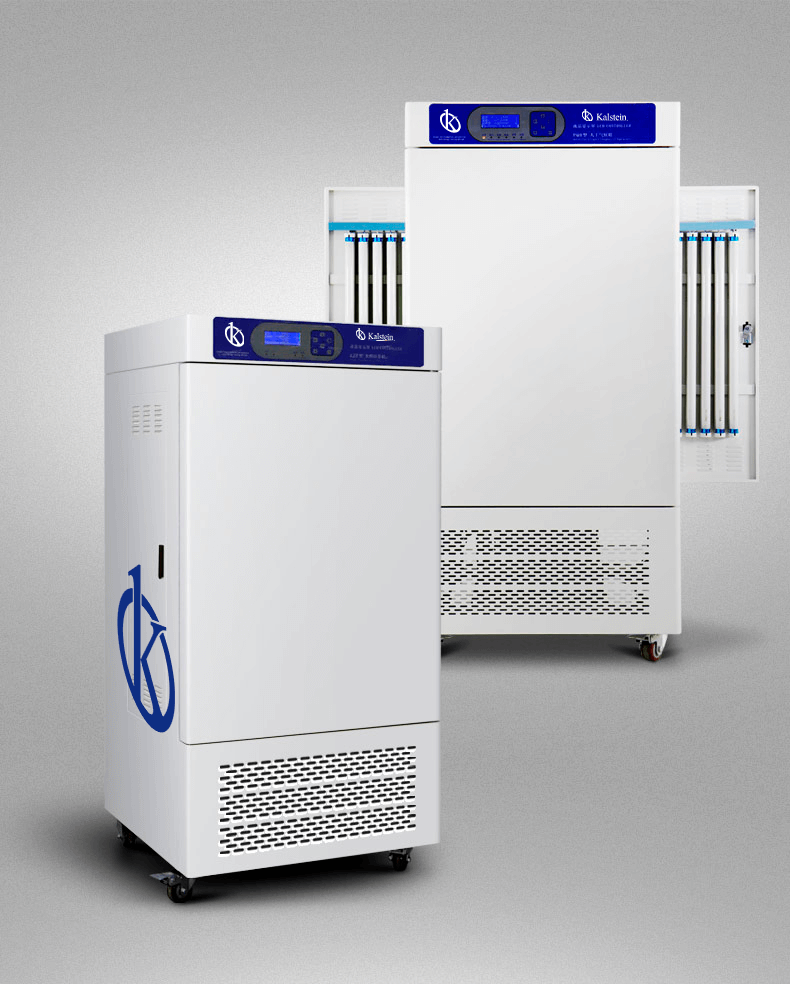
Environmental chambers play a vital role in various fields including biology, medicine, agriculture, and environmental science. They provide controlled environments necessary for testing and experimentation. Predictive maintenance and regular calibration are essential practices for ensuring the optimal functionality and accuracy of these chambers. This article delves into the importance of these practices, evaluates several models of environmental chambers, and offers detailed insights into their maintenance strategies.
Understanding Predictive Maintenance in Environmental Chambers
Predictive maintenance refers to the practice of monitoring the condition of equipment and predicting when maintenance should be performed. This approach, which utilizes advanced technologies and analytics, helps avoid unexpected failures and minimize downtime. In the context of environmental chambers, predictive maintenance can help ensure that critical parameters such as temperature and humidity are consistently maintained within required ranges.
Advantages of Predictive Maintenance
Implementing predictive maintenance offers numerous benefits, including reduced maintenance costs, increased equipment lifespan, and enhanced reliability. By using data analytics to forecast potential issues, laboratory professionals can conduct maintenance activities at optimal times, thereby avoiding costly repairs and ensuring that environmental chambers like the YR05328 maintain their integrity.
Key Metrics for Predictive Maintenance
When establishing a predictive maintenance program, key performance indicators (KPIs) must be defined. For environmental chambers, metrics such as Mean Time Between Failures (MTBF) and Mean Time to Repair (MTTR) are critical in evaluating equipment performance. Monitoring these metrics can help identify trends and inform maintenance schedules, ensuring that environmental chambers like the YR05329 operate efficiently.
Regular Calibration: Ensuring Accuracy in Environmental Chambers
Calibration is the process of verifying and adjusting the accuracy of measurement equipment. In environmental chambers, regular calibration is essential to ensure that temperature and humidity readings are precise, which is crucial for the reliability of experimental results. Failure to calibrate equipment can lead to significant errors in research and testing outcomes.
Calibration Standards and Protocols
To maintain accuracy, environmental chambers must adhere to recognized calibration standards. These standards vary by application but typically include ISO/IEC 17025 guidelines. Laboratories using models like the YR05330 should establish a calibration schedule, conducting checks at regular intervals to ensure compliance with these standards.
Creating a Calibration Schedule
A well-defined calibration schedule is vital for maintaining accuracy in environmental chambers. It should include frequency of checks, responsible personnel, and documentation requirements. For instance, it is advisable to calibrate the YR05328 every three to six months, depending on usage and environmental conditions.
Comparison of Available Models
| Model | Temperature Range (°C) | Humidity Range (%) | Best For |
|---|---|---|---|
| YR05328 | 10~60 (with light), 5~60 (without light) | 50% - 90% ± 5% HR | Biological and agricultural research |
| YR05329 | 10~60 (with light), 5~60 (without light) | 50% - 90% ± 5% HR | Medical and environmental testing |
| YR05330 | 10~60 (with light), 5~60 (without light) | 50% - 90% ± 5% HR | Forestry and environmental sciences |
Common Mistakes and How to Avoid Them
Laboratory professionals often encounter common pitfalls when implementing predictive maintenance and calibration strategies. One frequent mistake is neglecting to document maintenance activities, which can lead to compliance issues. Another error is failing to conduct regular training for staff on the importance of calibration and maintenance, which is necessary to maintain the effective use of environmental chambers.
Frequently Asked Questions
How can predictive maintenance enhance the performance of environmental chambers?
Predictive maintenance enhances chamber performance by utilizing condition-monitoring tools to predict failures and schedule timely interventions. For example, implementing predictive maintenance on the YR05328 can reduce downtime and maintenance costs.
What are the key calibration intervals recommended for environmental chambers?
The recommended calibration intervals for environmental chambers typically range from three to six months. For models like YR05329, more frequent calibration may be necessary based on usage and specific research requirements.
How does one ensure compliance with ISO/IEC standards in environmental chambers?
Ensuring compliance requires a thorough understanding of ISO/IEC 17025 standards and regular audits of operational procedures. Environmental chambers like YR05330 must undergo documented calibration processes to meet these compliance requirements effectively.
What tools are necessary for calibrating environmental chambers?
Calibration of environmental chambers requires precise tools such as calibrated thermometers and hygrometers. For instance, using calibrated instruments with the YR05328 ensures that temperature and humidity readings are accurate and reliable.
How often should environmental chambers be serviced for optimal performance?
Environmental chambers should be serviced at least once a year, with predictive maintenance checks conducted more frequently. Regular servicing of the YR05329 ensures that performance remains reliable and accurate.
What impact does humidity have on environmental chamber calibration?
Humidity can significantly affect calibration accuracy; therefore, maintaining humidity levels within specified ranges is crucial. For models like the YR05330, consistent humidity monitoring helps maintain the integrity of the calibration process.
How can laboratories track maintenance activities effectively?
Implementing a comprehensive maintenance management software can help laboratories track maintenance activities, ensuring compliance and thorough documentation. Utilizing such software for the YR05328 streamlines tracking and scheduling of maintenance tasks.
Which environmental chamber model is best for agricultural research?
The YR05328 is particularly well-suited for agricultural research due to its ability to simulate natural climatic conditions, making it ideal for experiments that require precise control over temperature and humidity.
If you are looking for a fusion of innovation and quality, you have come to the right place. At Kalstein, we offer you the luxury of exploring our exclusive catalog of laboratory equipment. We manufacture every device to the highest standards of excellence. Our intuitive and seamless online purchasing channels are designed for your convenience, securing the most competitive prices. Hesitate no longer — we bring science to life, it is time to become part of our community.