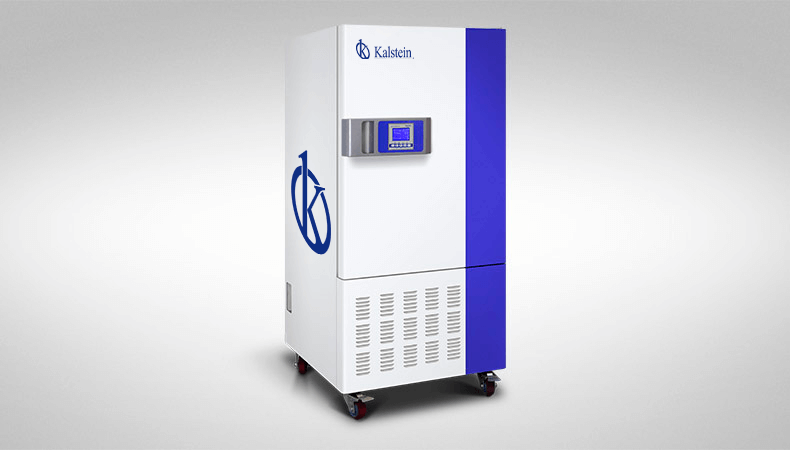
Comparative Analysis of Predictive Maintenance and Recommended Calibration for Drug Stability Testing Chambers
In laboratory environments, the efficiency and accuracy of drug stability testing chambers are paramount. With the increasing demand for reliable pharmaceutical testing, understanding the role of predictive maintenance and periodic calibration is essential. This article delves into how these practices enhance the functionality and longevity of Comprehensive Drug Stability Testing Chambers.
Understanding Predictive Maintenance in Drug Stability Testing
Predictive maintenance refers to the strategy of predicting equipment failures before they occur. By implementing this approach, laboratories can reduce unexpected downtimes and ensure consistent performance. In the context of drug stability testing, such chambers must maintain specific temperature, humidity, and light conditions to ensure the integrity of pharmaceuticals being tested.
Maintaining the conditions as specified in ISO 17025 is crucial for compliance. The Comprehensive Drug Stability Testing Chamber models, like YR05354, YR05355, and YR05356, integrate advanced technologies that monitor these parameters continuously. This capability allows laboratories to conduct timely maintenance interventions based on real-time data, thereby optimizing the operational lifespan of the equipment.
The Role of Calibration in Ensuring Accuracy
Calibration plays a critical role in ensuring that testing chambers operate within the required specifications. Regular calibration of the temperature and humidity settings not only ensures compliance with industry standards but also enhances the reliability of test results. For example, the Comprehensive Drug Stability Testing Chamber YR05355 can achieve temperature uniformity of ±1°C, which is essential for ensuring consistent testing outcomes.
Establishing a calibration schedule based on manufacturer recommendations and industry best practices helps laboratories meet regulatory requirements, improve testing accuracy, and maintain the integrity of pharmaceuticals. Calibration intervals should be defined based on the chamber's usage frequency, environmental conditions, and manufacturer guidelines.
Comparison of Available Models
| Model | Temperature Range (°C) | Humidity Range (% HR) | Price (USD) | Best for |
|---|---|---|---|---|
| YR05354 | 10~65 (with light) / 0~60 (without light) | 50~90% HR | 2940.00 | Long-term stability testing |
| YR05355 | 10~65 (with light) / 0~60 (without light) | 50~90% HR | 3500.00 | Accelerated stability testing |
| YR05356 | 10~65 (with light) / 0~60 (without light) | 50~90% HR | 4910.00 | High-humidity exposure testing |
Key Factors in Predictive Maintenance
Implementing predictive maintenance involves a structured approach that includes monitoring equipment health, analyzing performance data, and scheduling maintenance activities. Key factors include:
- Data Analysis: Continuous monitoring systems track performance metrics, which can predict when maintenance is needed.
- Failure Mode Analysis: Identifying potential failure modes helps establish a proactive maintenance schedule.
- Calibration Timeliness: Ensuring that calibration is performed before any significant shift in performance occurs.
Common Calibration Mistakes and How to Avoid Them
Calibration is critical, yet common mistakes can undermine its effectiveness. Here are some pitfalls to avoid:
- Inconsistent Schedules: Establish a clear calendar for calibration to prevent lapses in compliance.
- Ignoring Manufacturer Guidelines: Always follow the specific calibration requirements provided for each model, such as those for the YR05356.
- Neglecting Documentation: Maintain thorough records of all calibration activities to support compliance audits and improve traceability.
Benefits of Routine Calibration and Maintenance
Conducting routine calibration and maintenance of drug stability testing chambers leads to numerous benefits:
- Increased Accuracy: Regular calibration ensures that the testing conditions remain within specified limits, resulting in reliable data.
- Extended Equipment Lifespan: Predictive maintenance helps avoid costly repairs by addressing potential issues before they escalate.
- Regulatory Compliance: Adhering to established calibration and maintenance guidelines ensures compliance with ISO standards, crucial for laboratory accreditation.
Frequently Asked Questions
How does predictive maintenance improve drug stability testing accuracy?
Predictive maintenance enhances accuracy by allowing for real-time monitoring of conditions within Comprehensive Drug Stability Testing Chambers like YR05355. This ensures that the temperature and humidity are consistently maintained, reducing variability in test results.
What calibration intervals are recommended for drug stability testing chambers?
Calibration intervals for Comprehensive Drug Stability Testing Chambers typically depend on usage, but a general recommendation is to calibrate every 6-12 months. This ensures compliance with ISO 17025 and reliable test outcomes.
Which model of drug stability testing chamber offers the best humidity control?
The Comprehensive Drug Stability Testing Chamber YR05356 is optimal for high-humidity exposure testing, maintaining humidity levels of 50-90% HR with precision. This model is ideal for rigorous stability testing requirements.
How much does it cost to maintain a Comprehensive Drug Stability Testing Chamber?
The maintenance costs can vary, but regular predictive maintenance and calibration can average around 10-15% of the initial purchase price per year. For example, maintaining the YR05354 may cost approximately $294 to $441 annually.
What are the consequences of not calibrating testing chambers regularly?
Failing to calibrate Comprehensive Drug Stability Testing Chambers can lead to inaccurate test results, regulatory compliance issues, and potential financial losses due to failed product stability assessments.
How do I choose between different models of drug stability testing chambers?
Choosing the right model, like the YR05354 versus YR05355, depends on your specific testing needs, such as temperature range, humidity control, and budget. Analyze the specifications and intended applications to make the best choice.
What are the best practices for predictive maintenance in drug stability testing?
Best practices for predictive maintenance include implementing a continuous monitoring system, performing regular inspections, and scheduling maintenance based on data analysis to optimize the performance of models like YR05356.
How can I ensure compliance with ISO standards in drug stability testing?
To ensure compliance with ISO standards, regularly calibrate your Comprehensive Drug Stability Testing Chambers according to manufacturer guidelines and maintain thorough documentation of calibration activities.
If you are looking for a fusion of innovation and quality, you have come to the right place. At Kalstein, we offer you the luxury of exploring our exclusive catalog of laboratory equipment. We manufacture every device to the highest standards of excellence. Our intuitive and seamless online purchasing channels are designed for your convenience, securing the most competitive prices. Hesitate no longer — we bring science to life, it is time to become part of our community.