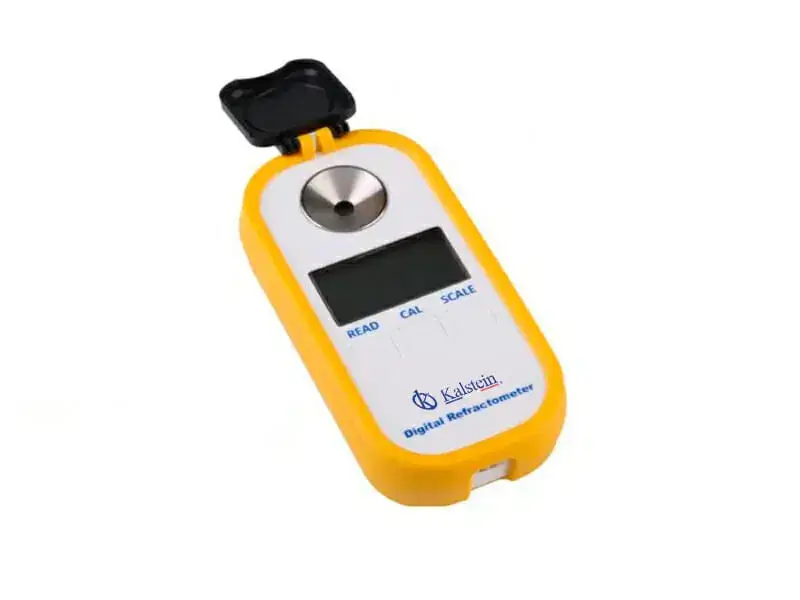
Predictive Maintenance and Recommended Calibration for Digital BRIX Refractometers
Digital BRIX refractometers are essential instruments in laboratories, particularly for measuring the concentration of soluble solids in various aqueous solutions. Ensuring the accuracy and reliability of these measurements is paramount, which can be achieved through regular calibration and predictive maintenance. This article explores these concepts in depth, focusing on maintaining optimal performance and compliance with industry standards.
Understanding Predictive Maintenance for Digital BRIX Refractometers
Predictive maintenance involves utilizing data-driven insights to anticipate equipment failures before they occur. For Digital BRIX refractometers, this means monitoring their performance over time to identify potential issues that may affect measurement accuracy. By employing predictive maintenance tactics, laboratories can minimize downtime and extend the lifecycle of their instruments.
Key Components of Predictive Maintenance
Regularly scheduled inspections, monitoring of calibration status, and analysis of performance data are critical aspects of predictive maintenance. Utilizing sensors to track performance metrics can provide insights into the operational state of a refractometer, enabling timely interventions.
Recommended Calibration Practices for Digital BRIX Refractometers
Calibration is vital for ensuring that Digital BRIX refractometers provide accurate measurements. The calibration process should be conducted at intervals recommended by manufacturers and based on the frequency of use and the critical nature of the measurements being taken.
Calibration Intervals and Standards
It is generally recommended to calibrate Digital BRIX refractometers before each use or at least once a day if used continuously. Calibration standards should be traceable to national or international standards to maintain compliance with industry requirements.
Comparison of Available Models
| Model | Measurement Range | Precision | ATC | Best For |
|---|---|---|---|---|
| YR05944 | Brix: 0.0-50.0% | ±0.2% | Yes | Fruit juices and syrups |
| YR05945 | Brix: 0.0-90.0% | ±0.2% | Yes | Beverages and purees |
| YR05946 | Refractive Index: 1.3330-1.5177 | ±0.0003 | Yes | General lab use |
| YR05947 | Dextran: 0.0-10.6% | ±0.2% | Yes | Pharmaceuticals |
| YR05948 | Fructose: 0.0-68.9% | ±0.2% | Yes | Food industry |
| YR05949 | Glucose: 0.0-59.9% | ±0.2% | Yes | Medical applications |
Common Mistakes and How to Avoid Them
Laboratories often overlook the importance of regular calibration and maintenance of their Digital BRIX refractometers. A common mistake is calibrating infrequently, which can lead to inaccurate results. Establishing a routine check and calibration schedule can drastically improve measurement reliability.
Neglecting Temperature Compensation
Another frequent oversight is disregarding the automatic temperature compensation (ATC) feature. Proper use of ATC ensures that measurements remain accurate across varying temperatures, a critical factor in achieving reliable data.
Frequently Asked Questions
What are the calibration requirements for the YR05944 Digital BRIX Refractometer?
The YR05944 model should be calibrated with standardized Brix solutions before each use to ensure measurement accuracy. Regular calibration intervals enhance reliability in quantifying sugar content in fruit juices, crucial for quality control.
How often should I perform predictive maintenance on a Digital BRIX Refractometer?
Predictive maintenance for Digital BRIX refractometers like the YR05945 should occur regularly, ideally monthly. This can include checking performance metrics and conducting routine calibrations to prevent sudden failures and maintain accuracy.
What is the impact of ATC on measurement accuracy for the YR05946 model?
The ATC feature in the YR05946 ensures that the refractometer compensates for temperature variations, thus maintaining accurate readings. This is crucial for laboratory settings where temperature fluctuations can affect measurement outcomes.
Can I use the YR05947 for calibrating glucose solutions?
No, the YR05947 is specifically designed for dextran measurements. For glucose calibration, the YR05949 model is more appropriate as it directly measures glucose concentrations, ensuring accurate results.
How do I establish a calibration schedule for Digital BRIX Refractometers?
A calibration schedule should be based on usage frequency and critical nature of measurements. For instance, calibrating the YR05948 before each major test is advisable, especially when testing food industry samples.
What should I include in a maintenance log for the YR05949 model?
Your maintenance log for the YR05949 should include calibration dates, performance check results, and any maintenance actions taken. This log helps track the instrument's reliability and supports compliance with industry standards.
Conclusion
By understanding and implementing effective predictive maintenance and calibration practices, laboratories can significantly enhance the performance of their Digital BRIX refractometers. Regular checks and adherence to calibration protocols not only ensure accurate measurements but also contribute to the longevity of the instruments.
If you are looking for a fusion of innovation and quality, you have come to the right place. At Kalstein, we offer you the luxury of exploring our exclusive catalog of laboratory equipment. We manufacture every device to the highest standards of excellence. Our intuitive and seamless online purchasing channels are designed for your convenience, securing the most competitive prices. Hesitate no longer — we bring science to life, it is time to become part of our community.