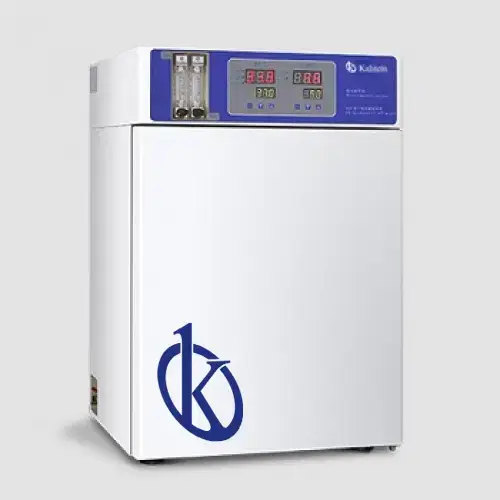
How to Ensure Predictive Maintenance and Recommended Calibration for CO₂ Incubators
CO₂ incubators are essential tools in various biological and medical laboratories, primarily used for culturing cells, tissues, and microorganisms. Effective maintenance and calibration strategies significantly enhance their operational efficiency, reliability, and longevity. In this article, we will delve into predictive maintenance approaches and calibration recommendations specifically for CO₂ incubators, discussing various models, their features, and best practices.
Understanding Predictive Maintenance in CO₂ Incubators
Predictive maintenance involves proactively assessing the condition of equipment to predict when maintenance should be performed. This approach minimizes downtime and maximizes equipment lifespan. For CO₂ incubators, predictive maintenance includes monitoring critical parameters such as temperature, CO₂ concentration, humidity levels, and mechanical wear. Employing advanced sensors and data analytics allows laboratories to implement efficient maintenance schedules based on actual usage rather than fixed time intervals.
The Importance of Regular Calibration
Calibration ensures that CO₂ incubators perform optimally, maintaining the required environmental conditions for cell growth. Regular calibration is crucial for accuracy in temperature and CO₂ concentration, which can directly impact experimental outcomes. Following a calibration schedule based on usage and manufacturer recommendations is essential for compliance and reliability.
Comparison of Available Models
| Model | Temperature Range (°C) | CO₂ Control (%) | Best for | Price (USD) |
|---|---|---|---|---|
| YR02048 | RT + 5 to 60 | 0 to 20 | Cell culture, immunology | 1300.00 |
| YR02049 | RT + 5 to 60 | 0 to 20 | Genetic research | 1900.00 |
| YR02049-1 | RT + 5 to 55 | 0 to 20 | Microbiology research | 3200.00 |
Best Practices for Predictive Maintenance
Implementing a predictive maintenance program for CO₂ incubators involves several best practices, including regular monitoring of performance metrics, setting up alerts for deviations, and conducting routine inspections. For example, the YR02049 model's microprocessor-controlled system facilitates accurate monitoring of temperature and CO₂ levels, enabling timely maintenance actions.
Creating a Calibration Schedule
Calibration schedules should be based on the specific requirements of each laboratory. For instance, the YR02048 and YR02049 models recommend calibration every six months, focusing on temperature and CO₂ concentration accuracy. Establishing a documented calibration plan, including procedures and standards, ensures compliance and consistency across all incubators.
Common Mistakes and How to Avoid Them
Laboratories often make common mistakes in maintaining CO₂ incubators, such as neglecting regular maintenance and failing to document calibration activities. To avoid these pitfalls, laboratories should establish standard operating procedures (SOPs) that clearly outline maintenance and calibration protocols. Regular training and audits can also reinforce best practices.
Frequently Asked Questions
How can I ensure my CO₂ incubator meets calibration standards?
To ensure your CO₂ incubator, such as the YR02049 model, meets calibration standards, follow a strict calibration schedule and use certified calibration equipment. Regularly assess temperature and CO₂ levels, ideally every six months, to maintain accuracy and compliance.
What are the key features to consider in a CO₂ incubator?
Key features to consider include temperature range, CO₂ control, and uniformity. For example, the YR02048 model operates at a temperature range of RT + 5 to 60°C with CO₂ control from 0 to 20%, making it suitable for various applications.
How often should calibration be performed on CO₂ incubators?
Calibration for CO₂ incubators like the YR02049 should be performed at least every six months. This frequency helps maintain accurate environmental conditions essential for successful cell culture and research outcomes.
What is the impact of temperature fluctuations on CO₂ incubator performance?
Temperature fluctuations can adversely affect cell growth and experimental results. Models such as the YR02049-1 are designed with precise temperature control to minimize fluctuations, ensuring a stable environment for sensitive specimens.
How does predictive maintenance enhance CO₂ incubator reliability?
Predictive maintenance enhances reliability by identifying potential issues before they lead to equipment failure. For instance, using the YR02048 model, labs can monitor performance data to schedule maintenance proactively, reducing unexpected downtime.
What are the costs associated with calibration and maintenance of CO₂ incubators?
The costs can vary, but budgeting for at least $200 per calibration session is advisable, considering equipment and labor. For example, maintaining the YR02049 requires systematic calibration to ensure consistent performance and compliance.
How can I document maintenance activities for CO₂ incubators?
Documentation can be managed through a digital logbook or maintenance software. Ensure all calibrations, repairs, and inspections for models like the YR02048 are recorded systematically for compliance and quality assurance.
What type of training is recommended for CO₂ incubator maintenance?
Training should encompass maintenance protocols, calibration procedures, and troubleshooting techniques. For instance, staff working with the YR02049 model should be familiar with its microprocessor controls and data logging functionalities.
If you are looking for a fusion of innovation and quality, you have come to the right place. At Kalstein, we offer you the luxury of exploring our exclusive catalog of laboratory equipment. We manufacture every device to the highest standards of excellence. Our intuitive and seamless online purchasing channels are designed for your convenience, securing the most competitive prices. Hesitate no longer — we bring science to life, it is time to become part of our community.