Understanding Predictive Maintenance and Recommended Calibration for Chest Freezers
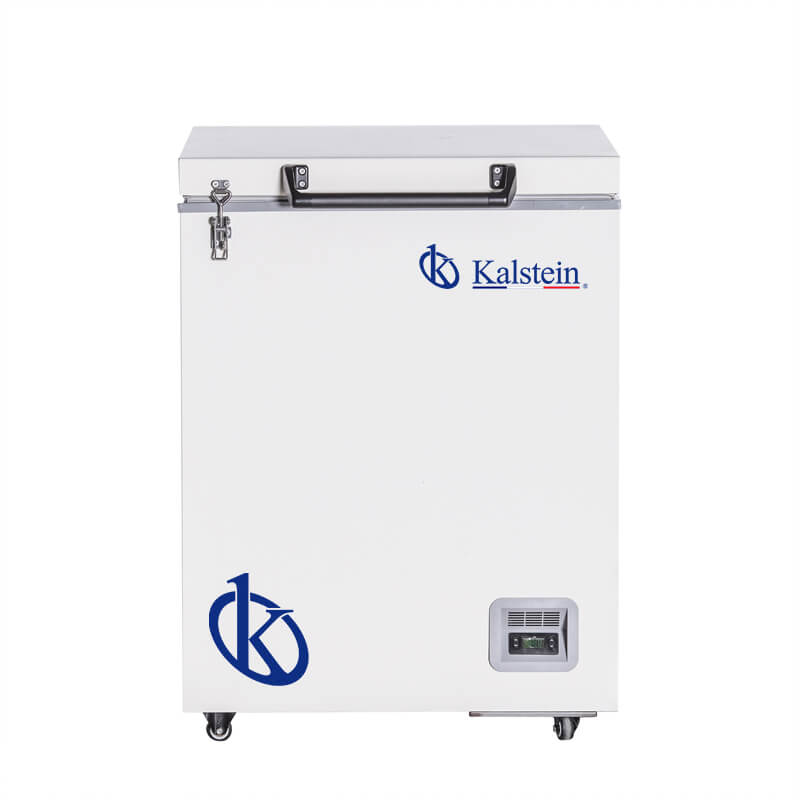
Chest freezers are essential in laboratories for preserving biological samples, pharmaceuticals, and reagents. Their efficiency hinges on robust maintenance and calibration practices. This article will delve into the significance of predictive maintenance and recommended calibration for chest freezers, specifically focusing on models like YR05102, YR05103, YR05104, YR05314, YR05313, and YR05315.
The Role of Predictive Maintenance in Laboratory Freezers
Predictive maintenance (PdM) leverages data analytics to predict equipment failures before they occur. For chest freezers, this proactive approach minimizes downtime and maximizes operational efficiency. By monitoring key performance indicators (KPIs) like temperature consistency and energy consumption, laboratories can detect anomalies that may precede mechanical failures.
In the context of the YR05102, YR05103, and YR05104 models, PdM can ensure these devices operate within specified temperature ranges, vital for sample integrity. These models feature microprocessor control systems that provide real-time analytics, making it easier to adhere to predictive maintenance protocols.
Recommended Calibration Practices for Chest Freezers
Calibration of chest freezers involves adjusting the systems to ensure accurate temperature readings. Regular calibration not only complies with regulatory standards but also ensures the longevity and reliability of the equipment. Calibration should be performed at least annually, or more frequently depending on usage and environmental conditions.
For instance, the YR05314 and YR05315 models, designed for ultra-low temperature applications, require meticulous calibration due to their sensitive nature. These models operate at temperatures as low as -86°C, making precise calibration crucial to avoid sample degradation.
Factors Influencing Calibration Frequency
Several factors influence how often calibration should occur:
- Usage levels: High-use environments may necessitate more frequent calibration checks.
- Environmental conditions: Extreme conditions can affect equipment performance.
- Compliance requirements: Adherence to ISO 17025 may impose stricter calibration timelines.
Best Practices for Implementing Predictive Maintenance
Implementing a successful predictive maintenance program involves several key steps:
- Data Collection: Use sensors to monitor temperature, humidity, and energy use.
- Analysis: Regularly analyze collected data to identify trends and anomalies.
- Actionable Insights: Develop maintenance schedules based on data insights.
By employing these practices with models like YR05313, laboratories can enhance the reliability of their storage solutions.
Calibration Techniques and Tools
Effective calibration requires specific techniques and tools:
- Reference Thermometers: Use high-accuracy thermometers to verify the temperature settings.
- Calibration Software: Implement software that integrates with the freezer's control system for accurate adjustments.
For instance, the YR05103 model’s microprocessor can be paired with external calibration tools to ensure precision in temperature management.
Energy Consumption and Its Impact on Maintenance
Energy efficiency plays a vital role in the maintenance strategy of chest freezers. Models like YR05102, with lower energy consumption rates, not only save costs but also reduce the frequency of maintenance needs. Monitoring energy use provides insights into the operational effectiveness of the freezer. Excessive energy use may indicate underlying issues that need addressing.
Comparison of Available Models
| Model | Temperature Range (°C) | Energy Consumption (kWh/24h) | Price (USD) |
|---|---|---|---|
| YR05102 | -10 to -40 | 1.65 | 450.00 |
| YR05103 | -10 to -40 | 1.68 | 885.00 |
| YR05104 | -20 to -40 | 3.45 | 1100.00 |
| YR05314 | -40 to -86 | 11.5 | 3150.00 |
| YR05313 | -40 to -86 | 3.8 | 1825.00 |
| YR05315 | -25 to -60 | 3.2 | 1150.00 |
Common Mistakes and How to Avoid Them
In managing chest freezers, laboratories often fall into several pitfalls:
- Inadequate Training: Ensure staff are well-trained in maintenance protocols.
- Ignoring Alarms: Act promptly on alerts from models like YR05102 and YR05103.
- Neglecting Routine Checks: Schedule regular maintenance checks to ensure optimal operation.
By addressing these common issues, laboratories can enhance the longevity and reliability of their freezers.
Frequently Asked Questions
What is the recommended calibration frequency for chest freezers in laboratories?
The recommended calibration frequency for chest freezers, such as the YR05102 or YR05103, is at least once a year. However, it may be more frequent based on usage and compliance with standards like ISO 17025, ensuring accurate temperature management.
How do I implement predictive maintenance for my chest freezer?
To implement predictive maintenance for your chest freezer, begin by installing sensors to monitor temperature and energy consumption. Use this data to analyze patterns and set a maintenance schedule, particularly important for models like YR05314 and YR05315.
Which chest freezer model is best for ultra-low temperature storage?
The best chest freezer model for ultra-low temperature storage is the YR05314, capable of reaching temperatures as low as -86°C, making it ideal for sensitive biological specimens in laboratory settings.
What are the benefits of regular calibration for laboratory freezers?
Regular calibration for laboratory freezers, including models like YR05104, ensures accurate temperature readings, compliance with regulations, and helps maintain the integrity of stored samples, reducing the risk of spoilage.
How can I monitor energy consumption of chest freezers effectively?
To monitor energy consumption effectively, utilize the digital display features of models such as YR05103 and YR05315. Regularly track energy usage to identify anomalies that may indicate maintenance needs.
What is the average cost of a laboratory chest freezer?
The average cost of a laboratory chest freezer varies; for example, the YR05102 is priced at $450, while more advanced models like the YR05314 can cost around $3150, reflecting their capabilities and storage temperature ranges.
How does temperature fluctuation impact sample integrity in chest freezers?
Temperature fluctuations can severely impact sample integrity, especially in freezers like the YR05313 and YR05315, which are designed for ultra-low temperatures. Consistent temperatures are crucial to prevent degradation or loss of sample viability.
What parameters should be monitored for the effective maintenance of chest freezers?
Key parameters to monitor include temperature consistency, energy consumption, and alarm signals. Regular checks of these parameters in models such as YR05102 and YR05103 can help prevent equipment failure and ensure optimal performance.
If you are looking for a fusion of innovation and quality, you have come to the right place. At Kalstein, we offer you the luxury of exploring our exclusive catalog of laboratory equipment. We manufacture every device to the highest standards of excellence. Our intuitive and seamless online purchasing channels are designed for your convenience, securing the most competitive prices. Hesitate no longer — we bring science to life, it is time to become part of our community.