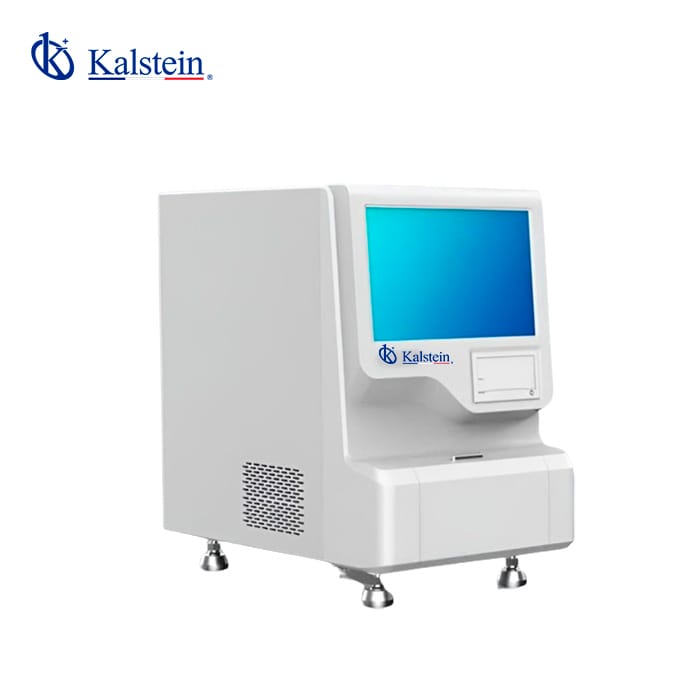
How to Implement Predictive Maintenance and Recommended Calibration for Chemiluminescence Immunoassay Analyzers
In the field of laboratory diagnostics, Chemiluminescence Immunoassay Analyzers are critical for delivering precise and timely results. However, to maintain their optimal performance, implementing predictive maintenance and adhering to recommended calibration schedules is essential. This article will delve into the significance of these practices, the models available in the market, and how they contribute to laboratory efficiency.
Understanding Predictive Maintenance in Chemiluminescence Immunoassay Analyzers
Predictive maintenance refers to the strategy of anticipating equipment failures before they occur. By utilizing data from the Chemiluminescence Immunoassay Analyzers, laboratories can schedule maintenance activities based on actual usage patterns rather than fixed schedules. This proactive approach minimizes downtime and extends the lifespan of the analyzers.
Importance of Calibration for Accuracy
Calibration is a vital process that ensures the accuracy of the results produced by Chemiluminescence Immunoassay Analyzers. Regular calibration against traceable standards not only complies with regulatory requirements but also guarantees the reliability of diagnostic results. Each model, including the YR06387 and YR06388, has specific calibration intervals and procedures that must be adhered to for optimal performance.
Comparison of Available Models
| Model | Recommended Calibration Schedule | Predictive Maintenance Features | Best Use Cases |
|---|---|---|---|
| YR06387 | Every 6 months | Automated alerts for maintenance | High-throughput clinical environments |
| YR06388 | Every 6 months | Self-diagnostics and performance tracking | Emergency departments |
| YR06389 | Every 6 months | Real-time performance monitoring | Outpatient inspection labs |
| YR06390 | Every 6 months | Predictive analysis of performance data | Primary care labs |
| YR06710 | Every 6 months | Continuous performance assessment | Limited space clinical settings |
Common Mistakes and How to Avoid Them
In the implementation of predictive maintenance and calibration, common mistakes can lead to equipment inefficiencies. One frequent error is neglecting the calibration schedule, which can result in inaccurate results. Laboratories should maintain a strict log of calibration dates and set reminders. Additionally, failing to analyze maintenance data can miss early signs of potential issues, leading to unexpected downtime.
Best Practices for Predictive Maintenance
To effectively implement predictive maintenance, laboratories should invest in analyzers that provide real-time data and alerts, such as the YR06388. Establishing a routine for analyzing performance metrics, like the Mean Time Between Failures (MTBF) and Mean Time to Repair (MTTR), can help in forecasting maintenance needs.
Calibration Intervals and Standards
Calibration intervals are critical for maintaining the accuracy of Chemiluminescence Immunoassay Analyzers. Generally, a six-month calibration schedule is recommended for models like the YR06387 and YR06390. Calibration should be performed using traceable standards to ensure compliance with ISO 17025, which specifies requirements for testing and calibration laboratories.
Predictive Maintenance Techniques
Several predictive maintenance strategies can be employed, including condition-based monitoring, which leverages technology to assess the operational state of equipment. This technique can be particularly useful for high-volume models like the YR06389, which may operate under varying conditions. Utilizing software that integrates with the analyzer’s data output can significantly enhance predictive maintenance efforts.
Technological Integration for Enhanced Maintenance
Integrating data management systems with Chemiluminescence Immunoassay Analyzers enables better visibility into equipment performance. By using laboratory information management systems (LIMS) with models such as the YR06390, labs can streamline data collection, scheduling, and compliance checks for calibration and maintenance.
Frequently Asked Questions
How can predictive maintenance improve the performance of Chemiluminescence Immunoassay Analyzers?
Predictive maintenance enhances the performance of Chemiluminescence Immunoassay Analyzers by anticipating and addressing potential failures before they occur. For instance, the YR06388 model includes automated alerts that facilitate timely maintenance, thus ensuring optimal performance and minimizing downtime.
What is the recommended calibration schedule for YR06387 model analyzers?
The recommended calibration schedule for the YR06387 model is every six months. Regular calibration is essential to maintain accuracy and compliance with standards such as ISO 17025, ensuring reliable results in laboratory testing.
Which models offer best practices for predictive maintenance?
Models such as YR06388 and YR06390 offer best practices for predictive maintenance by incorporating self-diagnostic features and real-time data analytics. These capabilities help laboratories effectively monitor equipment performance and schedule necessary maintenance activities.
How does calibration affect the reliability of results from immunoassay analyzers?
Calibration significantly affects the reliability of results, as it ensures that analyzers like the YR06389 are producing accurate outputs. A well-calibrated analyzer adheres to established standards, reducing the risk of errors in diagnostic results.
What technologies can assist in predictive maintenance for laboratory analyzers?
Technologies such as condition monitoring systems and data analytics software can assist in predictive maintenance for laboratory analyzers. For example, the YR06390 supports seamless integration with LIMS, enhancing monitoring capabilities and enabling data-driven maintenance strategies.
How do I choose the right calibration equipment for Chemiluminescence Immunoassay Analyzers?
Choosing the right calibration equipment involves ensuring compatibility with your specific model, such as the YR06388. It is essential to select calibration standards that are traceable to national or international standards to maintain regulatory compliance and accuracy.
What impact does predictive maintenance have on laboratory costs?
Predictive maintenance can significantly reduce laboratory costs by minimizing unplanned downtime and extending the life of equipment like the YR06387. By addressing maintenance needs proactively, labs can optimize operational efficiency and reduce overall maintenance expenses.
How often should I perform maintenance checks on the YR06390 model?
Maintenance checks on the YR06390 model should be performed regularly, ideally every six months, in alignment with its calibration schedule. This practice ensures that the analyzer operates efficiently and maintains the accuracy of its diagnostic capabilities.
If you are looking for a fusion of innovation and quality, you have come to the right place. At Kalstein, we offer you the luxury of exploring our exclusive catalog of laboratory equipment. We manufacture every device to the highest standards of excellence. Our intuitive and seamless online purchasing channels are designed for your convenience, securing the most competitive prices. Hesitate no longer — we bring science to life, it is time to become part of our community.